Andy Serkis Animal Farm adaptation draws criticism for sanitizing Orwell satire
A new animated film adaptation of George Orwell’s classic allegory has sparked backlash for replacing its bleak political critique with a conventional, corporate-tinged happy ending.
A new animated adaptation of George Orwell’s Animal Farm, directed by Andy Serkis and written by Nicholas Stoller, is facing sharp criticism for fundamentally altering the classic 1945 satire. Reviewers argue the film betrays the source material by defanging its allegory of Stalinism and failed revolution.
The 94-minute production reportedly features a cheapo digital look and abandons the novel’s bleak conclusion in favor of a conventional, optimistic resolution. The pivotal moment where pigs and humans become indistinguishable occurs around the one-hour mark, setting up a newly invented third act rather than serving as the finale.
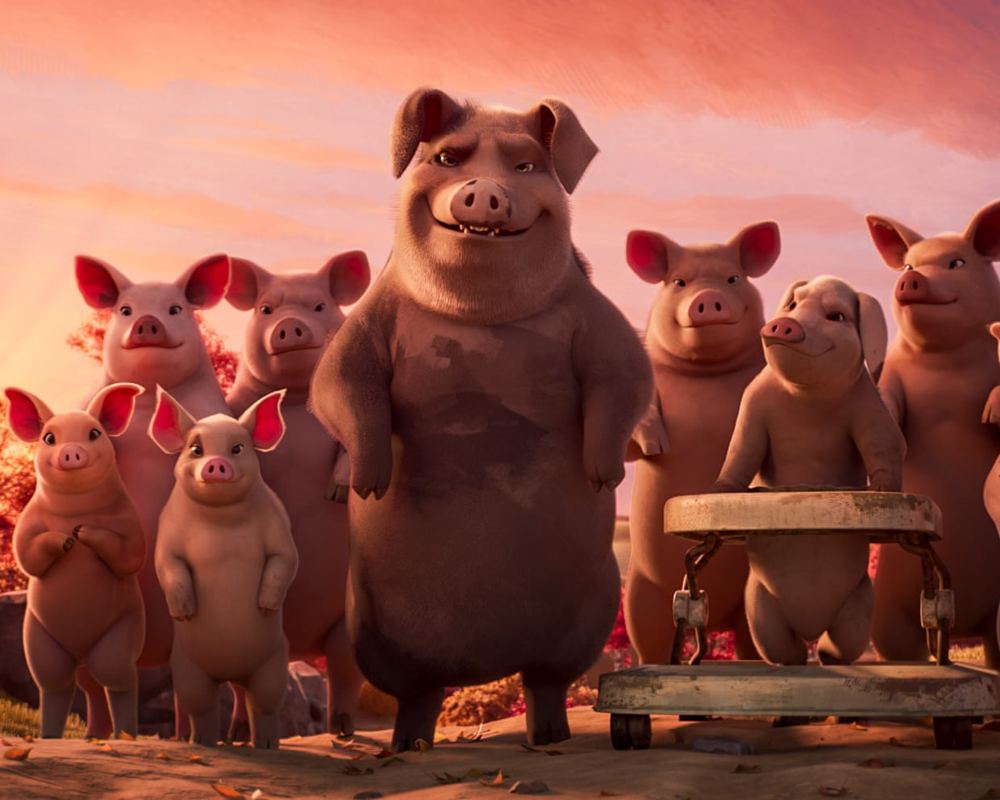
In this altered narrative, the villainous pig Napoleon, voiced by Seth Rogen, eliminates his rival Snowball, voiced by Laverne Cox. Napoleon then accepts corrupt funding from a newly created agribusiness corporate figure named Pilkington, voiced by Glenn Close, and addresses his followers via a Big Brother-style screen.
The film concludes with young animal rebels overthrowing Napoleon, leading to the farm burning down. The surviving insurgents gather by a body of water to reflect on their misplaced trust in leaders like Napoleon, and arguably Snowball, though the film reportedly leaves Snowball’s specific flaws undefined.
For the broader entertainment market, this adaptation highlights an ongoing tension between preserving the sharp political edge of historical literature and sanitizing it for commercial palatability. The deliberate insertion of a modern agribusiness corporate villain represents a calculated shift, attempting to map contemporary economic anxieties onto a mid-century allegory.
However, critics contend that this approach strips the story of its original rage, satire, passion, and meaning. By smoothing over the complexities of a failed revolution with a Disney-style happy ending and a simplistic panto-baddie comeuppance, the film raises fundamental questions about the boundaries of adapting foundational political texts for modern audiences.