Sweden Closes Rail Lines as Heat Wave Disrupts Transport
Extreme heat is forcing Sweden to close railway lines and warn drivers of deteriorating roads, underscoring the growing disruption climate change poses to European infrastructure and logistics.
Swedish authorities are closing train routes and warning motorists of hazardous road conditions as a three-day heat wave grips central parts of the country. The Swedish Transport Administration announced the closure of specific railway lines in the Småland and Värmland regions on Tuesday, July 14th, citing the immediate risk of "sun curves." This phenomenon occurs when heat from the sun causes steel tracks to expand and buckle, creating a severe derailment hazard that disrupts passenger and freight movement.
For businesses reliant on regional logistics, these sudden rail closures translate directly into delayed shipments and higher transportation costs. The disruption hits as the state meteorological agency, SMHI, issued yellow warnings for high temperatures on Wednesday, Thursday and Friday. Major economic hubs including Stockholm, Jönköping and Karlstad are expected to endure three consecutive days of temperatures surpassing 30 degrees Celsius.
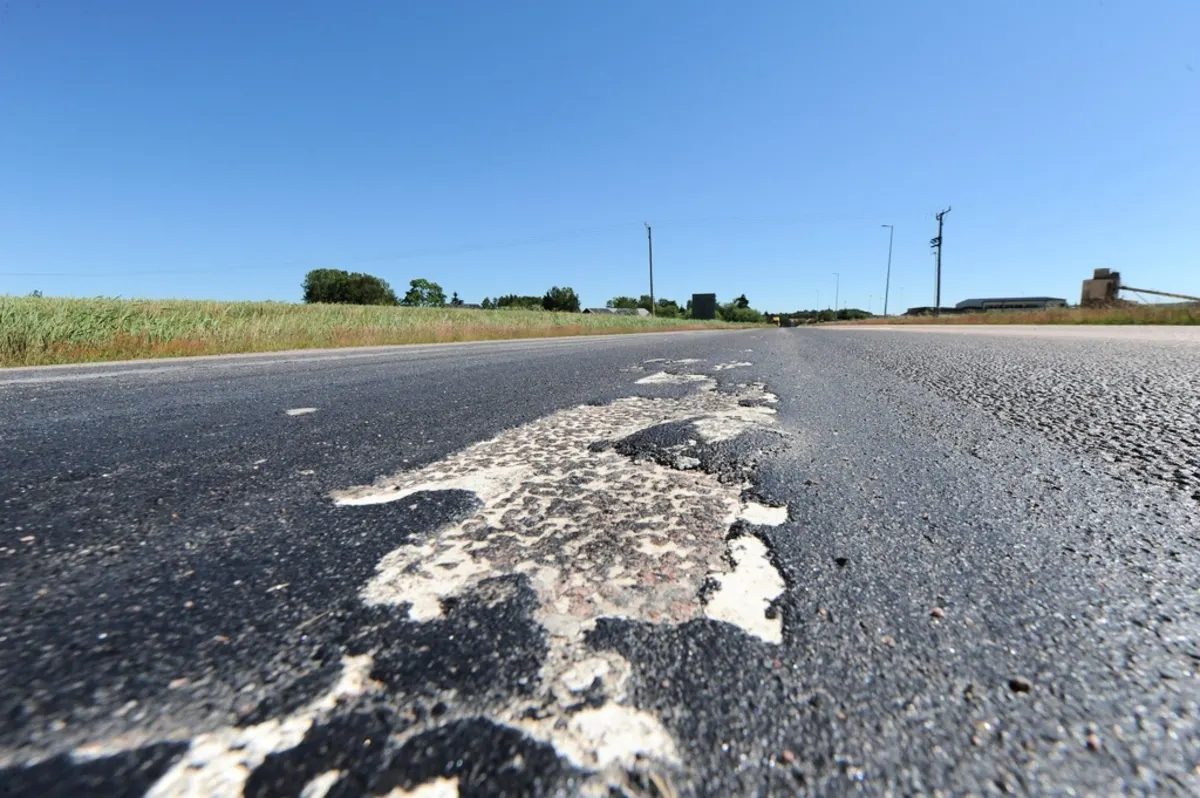
Road freight faces its own set of vulnerabilities. The Transport Administration cautioned that extreme heat causes "bleeding asphalt," a condition where overheated road surfaces lose their grip rapidly. Newly paved roads are particularly susceptible to this degradation. "High temperatures can lead to unexpected and dangerous situations in road traffic," the administration stated, urging commercial drivers to carry water and strictly monitor live traffic updates.
Beyond the immediate logistical bottlenecks, the infrastructural strain reflects a mounting economic challenge for Europe. Scientists identify recurring heat waves as a definitive marker of global warming, primarily driven by the combustion of coal, oil and gas. They caution that these events will grow more frequent, prolonged, and severe. For Sweden and its neighbors, this means historical design standards for railways and highways are increasingly mismatched with current climate realities, necessitating massive future investments in heat-resilient infrastructure.
The broader public sector is simultaneously adjusting to the physical risks. Municipalities have distributed directives to care facilities, emphasizing strict monitoring of fluid intake and sun protection for vulnerable populations. At the Kornellen nursing home in Örebro, development manager Jessica Guvenal told Swedish newswire TT that the facility is well-prepared. "We have fans and AC, but the building we are in is newly built and has a very good indoor climate, so we haven't had to bring them out yet," she said. "We offer popsicles, vanilla ice cream and drinks depending on what is desired. And apply sunscreen. It is especially important to pay attention to signals, if someone cannot express themselves, we are there and are in control."