Tomorrowland fire traced to human error, 30 parties face liability
A subcontractor's fuel line mistake caused the multimillion-euro destruction of the Tomorrowland mainstage, triggering sprawling criminal and civil liability cases across dozens of companies.
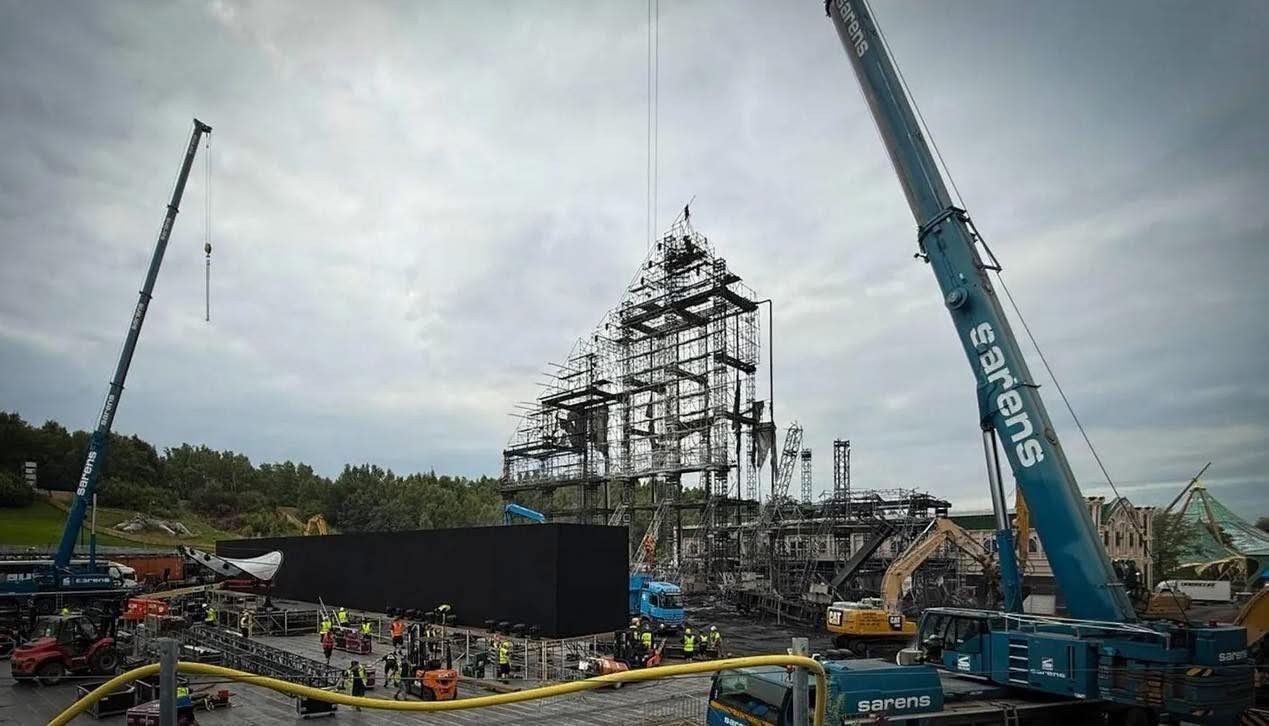
An improperly connected fuel line caused liquid ethanol to leak during a test on 16 July 2025, destroying the iconic Tomorrowland mainstage in Belgium. The blaze originated in one of four fire bowls used for special effects and rapidly consumed the entire structure, which was built largely from highly flammable polystyrene and wood.
The financial toll of the destruction and subsequent rebuild ran into the tens of millions of euros. Founder Michiel Beers described the root cause as "a very costly human error," attributing the leak to a subcontractor who failed to properly connect an effects device. Despite the scale of the devastation, the organizers managed an unprecedented rebuild in just a week to keep the festival open on schedule.
The economic fallout from that single connection failure is now creating a sprawling legal battle. More than 30 distinct parties are entangled in the case, including companies that suffered commercial losses, construction firms, and contractors responsible for handling hazardous goods. To untangle the financial liability, authorities have launched parallel tracks: a criminal investigation into suspected unintentional arson and a civil investigation focused on technical liability.
For the European events industry, the sheer number of involved parties underscores the complex, heavily outsourced nature of modern festival production. When a stage relies on dozens of specialized subcontractors for pyrotechnics, rigging, and construction, pinpointing exactly where contractual and safety responsibilities lie becomes a massive financial risk. The outcome of these investigations will force insurers and event producers across the continent to reassess how they vet third-party contractors handling volatile materials like liquid ethanol.
The investigation has also highlighted significant regulatory enforcement gaps at the local level. Municipal authorities had explicitly banned the storage of fireworks on the festival grounds when they granted approval for the event in May 2025. However, subsequent inspections revealed clear shortcomings in how those hazardous materials were actually stored on site, raising questions about the effectiveness of municipal oversight for events of this scale.
As the criminal and civil cases proceed, the allocation of fault will be closely watched by the broader European live-events sector. The final determinations will not only dictate who pays for the tens of millions in damages but will directly shape how Tomorrowland handles its Belgium production in the future. It will likely establish new benchmarks for safety protocols, contractor liability, and hazardous material storage at large-scale European gatherings.