Iran executes protester over inflation unrest, deepening isolation
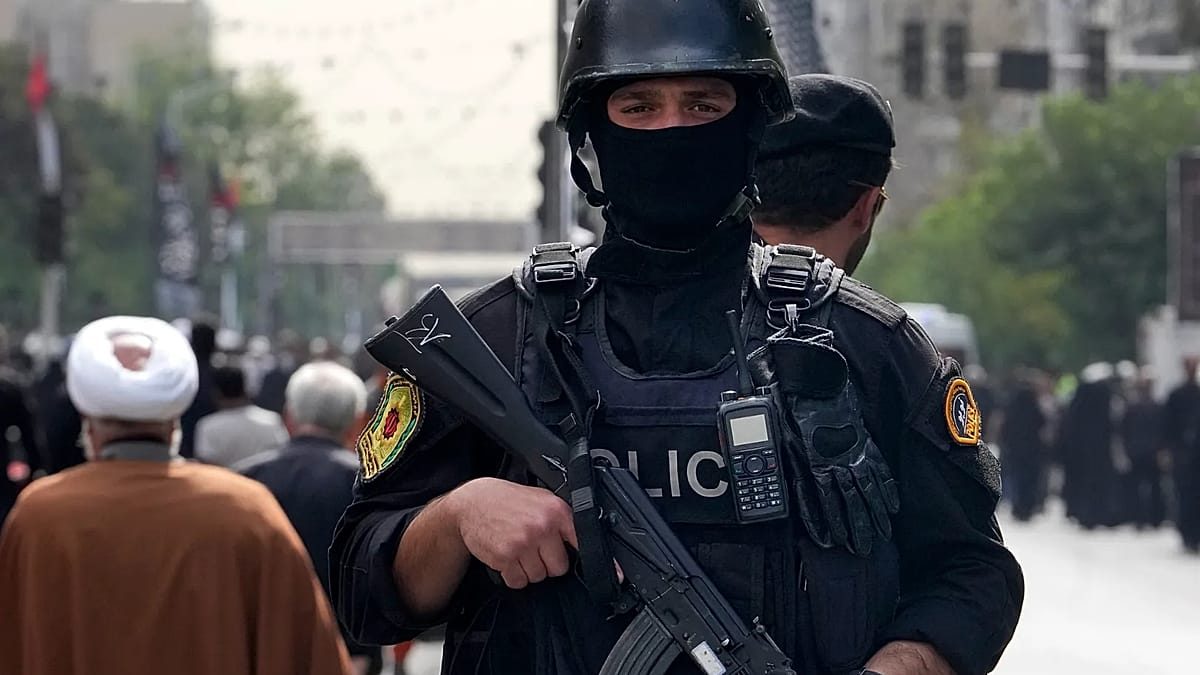
Tehran has executed a man for his role in January's hyperinflation-fueled protests, prioritising lethal force over economic reform and deepening the country's isolation from European markets.
Iran has executed Mohammad Amini Dehaghani for his involvement in the January protests, according to the judiciary's Mizan news agency. The Supreme Court upheld his death sentence on charges of "waging war against God" and "corruption on Earth." No details were given regarding the timeline of his arrest or legal proceedings.
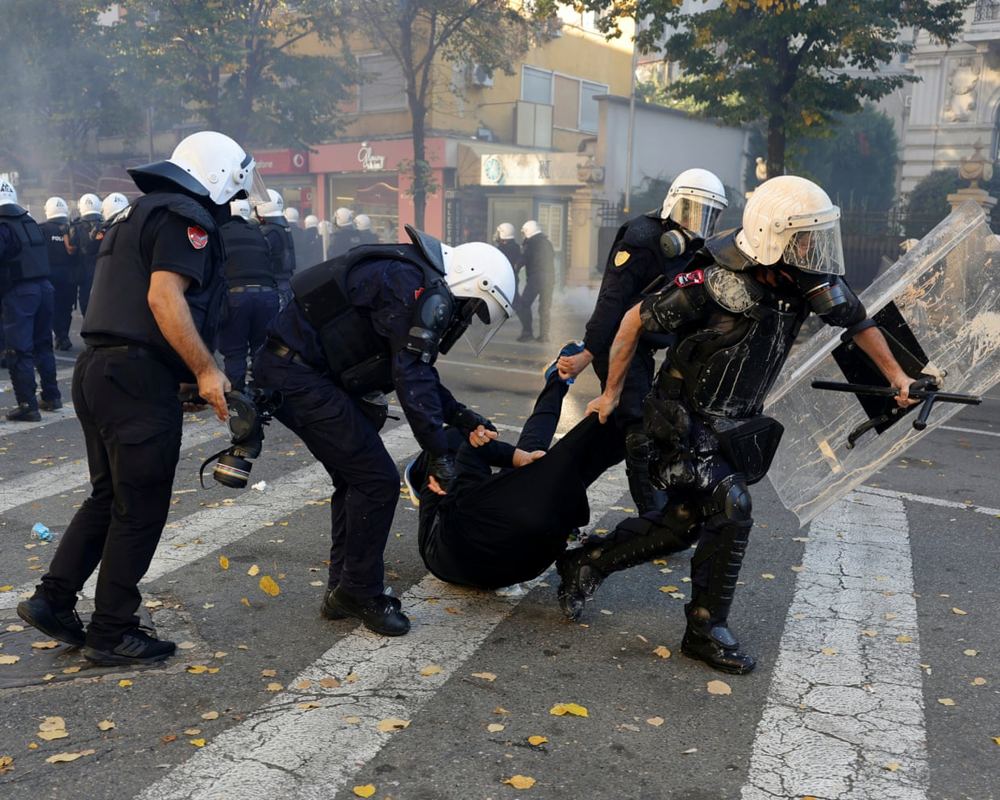
The unrest that led to his conviction began with sudden hyperinflation in December. It spread nationwide the following month, but rather than addressing the underlying economic collapse, Tehran responded with a violent campaign. Human rights groups report that this crackdown has left thousands dead.
While the government claims 3,117 people died, the rights group HRANA has verified 7,007 fatalities. Unofficial estimates suggest the death toll could be as high as 40,000. This underscores the sheer scale of the state's response to citizen outrage over the failing economy.
Amnesty International reports that authorities are using "wartime conditions" as a pretext to accelerate politically motivated executions and mass arrests. The organization noted that asset confiscations are being deployed alongside the lethal crackdown. This directly targets the financial resources of those involved in the unrest.
Human rights organizations have repeatedly stated that defendants in these cases face opaque proceedings without access to independent legal representation. Convictions frequently rely on confessions that are allegedly extracted under torture. This renders the judicial process a tool of political suppression rather than law.
In Dehaghani's case, investigators cited CCTV footage and his confessions as evidence. He was accused of throwing a Molotov cocktail at a governor's office in Isfahan and using a Kalashnikov rifle taken from security forces. The judiciary also charged him with distributing anti-government propaganda.
Authorities stated he contacted social media accounts linked to the Pahlavi royal family and communicated with anti-government activists online. He was accused of spreading material intended to "disturb public opinion." This occurred during what state media call the "Dey Coup Attempt."
Just a day earlier, Iran announced the hanging of Mohyeddin Abdollahi and Hossein Palani. They were convicted of membership in the Islamic State and the charge of "baghi," or armed rebellion. They were also found guilty of carrying out armed actions against the Islamic Republic.
For European governments and businesses, this trajectory extinguishes any remaining rationale for economic engagement. When an economic crisis spirals into unverified mass casualties and accelerated capital punishment, the sovereign risk becomes absolute. Trade normalization with Tehran is no longer a viable policy.
The regime has made clear it intends to rule through force rather than resolve the economic misery that sparked the unrest. The United Nations confirmed at least 40 executions in the first half of 2026. Of those, 18 were tied to national security cases.