European tourists pivot to quiet islands to escape overtourism
As destinations like Santorini and Capri struggle with overcrowding and high prices, European travellers are redirecting their spending to lesser-known islands, offering a lifeline to smaller local economies.
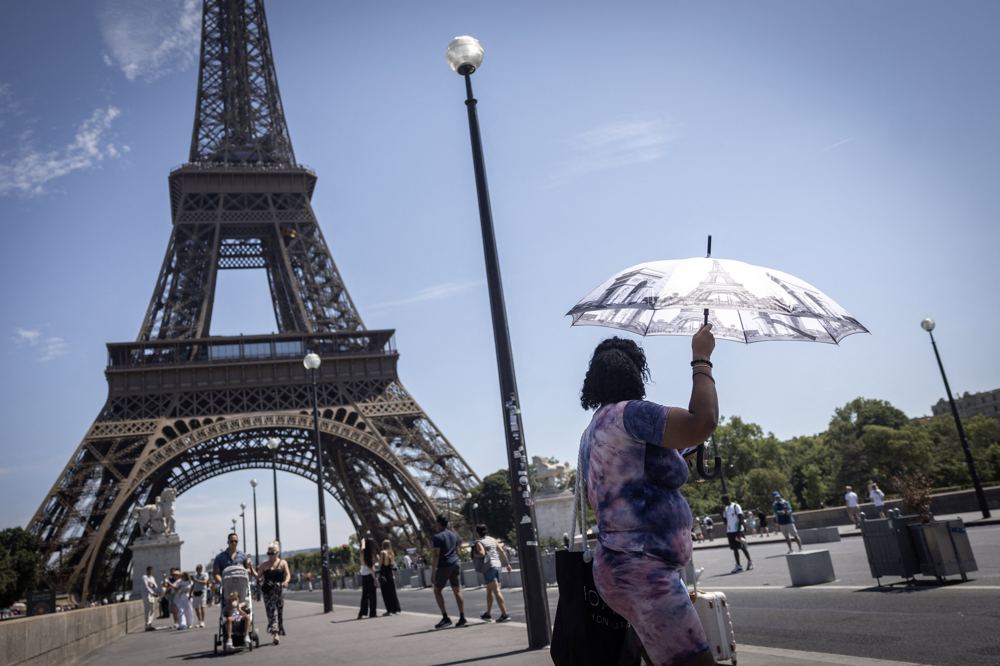
European travellers are increasingly abandoning notoriously overtouristed islands in favour of quieter alternatives across the continent. Destinations such as Tenerife, Santorini, Capri and the Isle of Skye are being swapped for smaller neighbours that offer similar landscapes without the inevitable crowds or inflated prices.
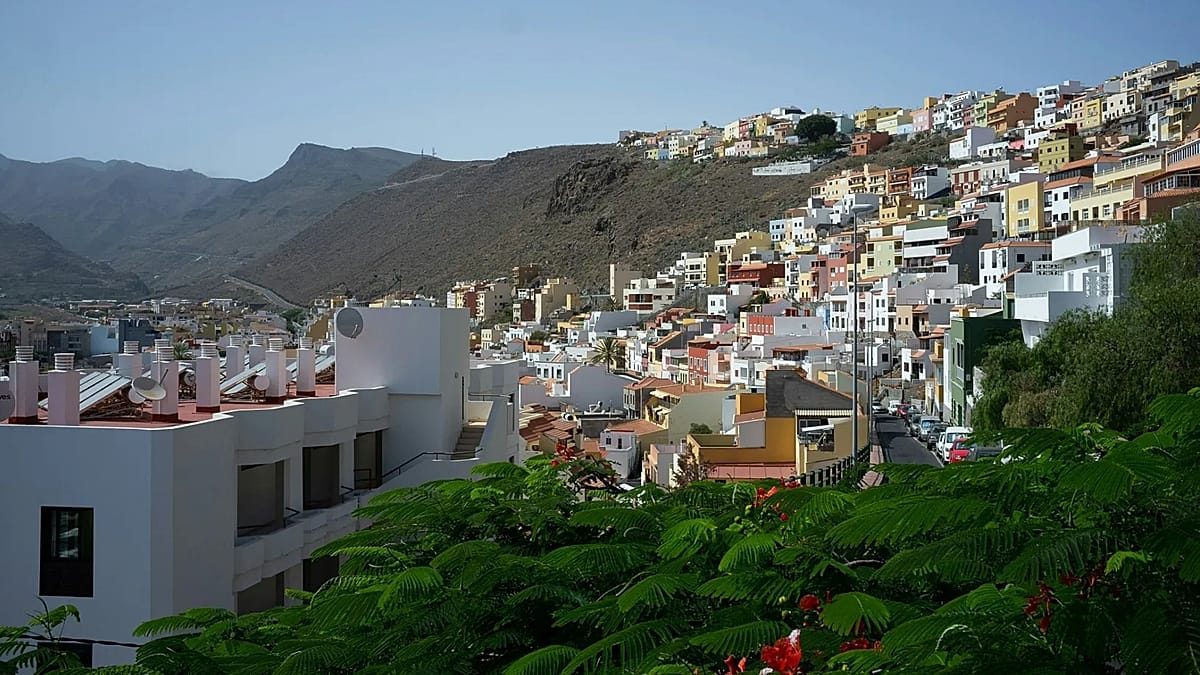
This shift carries tangible implications for regional economies. Tenerife currently attracts around five million visitors annually, sustaining an infrastructure heavily geared toward mass tourism. Nearby La Gomera, the second-smallest of the main Canary Islands, has far less capacity for large-scale tourism. It relies instead on its natural assets, like the UNESCO-listed Garajonay National Park, and local specialities such as almogrote and yellowfin tuna.
Infrastructure limitations are proving a critical factor in protecting smaller economies from mass influxes. Serifos, in the Cyclades, has avoided the fate of Santorini largely because it lacks an airport and large-scale resorts. This restricts visitor volumes, preserving the island's more than 40 beaches and maintaining its appeal primarily to domestic tourists from Athens seeking a weekend escape.
Pricing disparities and local regulation are also reshaping visitor flows. Capri is infamous for being wildly expensive, directing tourists toward Procida in the Gulf of Naples. A 40-minute ferry ride from Naples, Procida offers comparable clear waters and brightly coloured houses at a much lower cost. The island also limits car numbers, and its visitor base remains mostly Italian, shielding it from international mass tourism pressures.
The trend extends to northern Europe, where Scotland’s Luing offers a quiet alternative to Skye. Located 16 miles south of Oban and measuring just six miles long, the island supports a micro-economy of a few hundred residents, including artists and makers. Its appeal rests on coastal walks and wildlife like otters and seals, rather than commercial tourist infrastructure.
For Europe’s regional policymakers, the growing appeal of these hidden islands highlights a broader economic recalibration. Travellers are increasingly willing to trade convenience for affordability, a shift that could gradually redistribute vital tourist revenues away from saturated hotspots toward peripheral communities.