BBC trials elderly care robot comedy as broadcasters capitalise on automation anxieties
The corporation’s new series featuring a secondhand care bot highlights how European and global media companies continue to monetise public apprehension about workforce automation and demographic shifts.
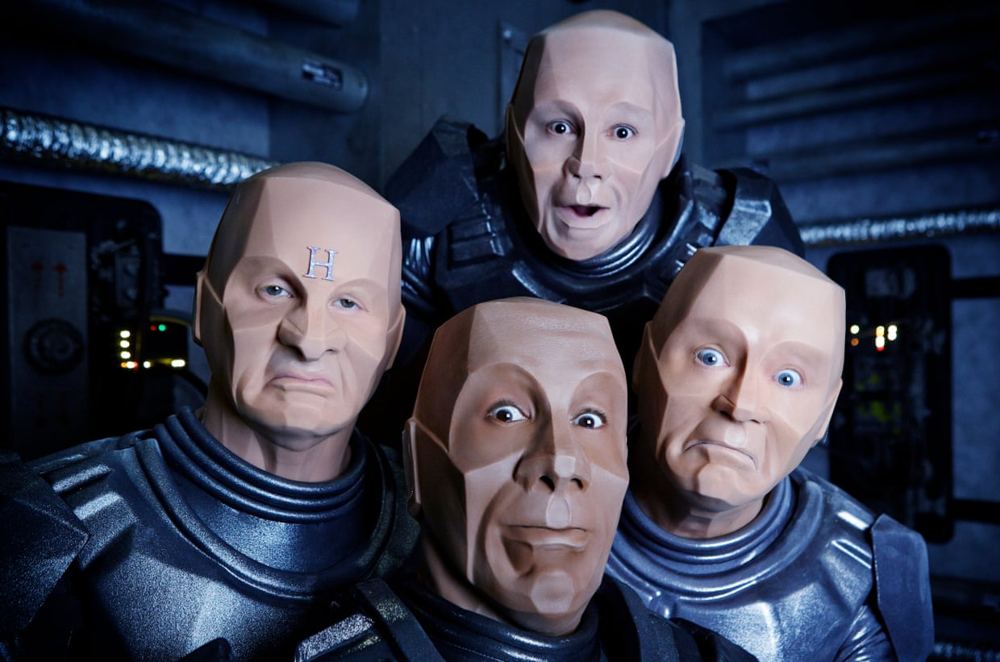
The BBC is launching Ann Droid, a new comedy series starring Diane Morgan as a secondhand elderly care robot assigned to a sceptical pensioner played by Sue Johnston. The programme arrives as broadcasters and streaming platforms increasingly lean into robotic narratives to capture audience share.
This programming strategy reflects a broader commercial trend in the media sector. As European demographics age and economic pressure on social care systems mounts, television producers are finding reliable returns in dramatising or satirising automation.
The BBC is not alone in recognising this market dynamic. Channel 4 previously capitalised on similar themes with its Bafta-winning drama Humans, which ran from 2015 to 2018. That series featured Gemma Chan as an android servant, explicitly framing robotic labour as a metaphor for society’s attitude towards migrant workers.
Global streaming giants are also investing heavily in this intellectual property space. Apple TV currently airs Murderbot, an adaptation of Martha Wells’ novellas starring Alexander Skarsgård as a private security droid. A second season is already in production, signalling strong platform confidence in the franchise's commercial viability.
Historically, television robots have served as both comic relief and cautionary tales, generating substantial viewership. The BBC’s own Robot Wars drew six million viewers at its peak between 1998 and 2018, while the children’s character Metal Mickey attracted up to 12 million viewers in the early 1980s.
More recent high-budget productions continue to validate this investment. HBO’s Westworld, which followed androids developing sentience in a theme park, became a major global property before its 2022 conclusion. Similarly, Apple’s Foundation features Laura Birn as a gynoid royal adviser guiding humanity’s survival.
For media investors and network executives, these narratives offer a dual advantage. They provide familiar, franchise-friendly tropes while tapping into contemporary economic anxieties about artificial intelligence and labour displacement.
Ann Droid now joins a lineage that includes Black Mirror’s synthetic androids and Doctor Who’s long-running K-9. This demonstrates that the television industry views the rise of the machines as a dependable asset for future development, rather than merely a sci-fi staple.