Vint Cerf backs DNS-based standard for AI agent identity
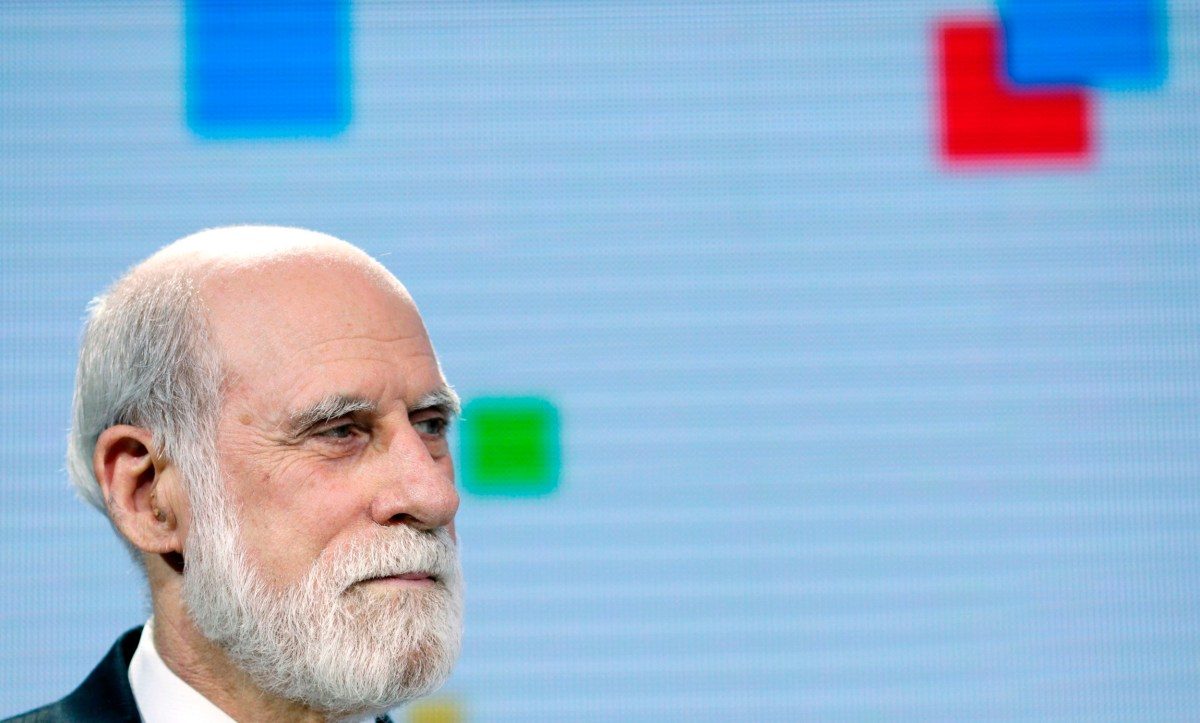
Vint Cerf is backing a new DNS-based registry to identify autonomous AI agents, a move that could determine whether Europe's digital economy avoids Big Tech lock-in as machines begin transacting online.
Vint Cerf, one of the architects of the internet’s core protocols, has joined Innovation Labs as an adviser to build an open architecture for identifying AI agents. The initiative, launched today, targets a major infrastructure gap as businesses prepare to deploy autonomous software that interacts directly across the web rather than remaining trapped in proprietary silos.
Innovation Labs, a subsidiary of DNS registry company Identity Digital, has proposed a system called DNSid. It anchors AI agents to existing internet domain names and relies on cryptographic proofs to establish a tamper-proof log of their registration over time. The company is already trialing the standard with several unnamed hyperscalers and identity firms.
The commercial stakes are significant. As AI agents move beyond internal corporate tasks to conduct transactions with other machines, a shared identification and auditing standard becomes essential infrastructure. Without it, the emerging agentic economy will fracture into incompatible walled gardens, forcing European companies to duplicate integrations or accept vendor lock-in.
Cerf warned that a fragmented market benefits no one. “Company X uses agent Y’s technology, and company A uses agent C’s technology, and then they don’t interwork with each other,” Cerf said. He believes broad adoption will depend on user pressure for functional, interoperable tools, drawing a direct parallel to the historical adoption of TCP/IP.
For European businesses and regulators wary of Big Tech dominance, the governance model behind the standard matters as much as the technology. Allie Kline, Innovation Labs’ interim CEO, argued that the market rejects protocols that enrich hyperscalers by handing them proprietary data. By pledging not to own the registration data or expand into broader AI services, Innovation Labs is positioning DNSid as a neutral utility.
Crucial questions about liability remain unresolved. “This is largely triggered by the notion of AI agents and the question of what authorities they have, where they have derived those authorities, who is accountable for the behavior of an agent in this context,” Cerf said. Because agents act autonomously, defining the exact legal and operational commitments an organization makes when registering one is a complex challenge.
Cerf, who left Google after 20 years last week, does not believe an agent-driven internet is strictly inevitable. However, he expects the economic incentives for automation to drive experimentation. “We are fundamentally lazy creatures, and if we find a way to have an agent do something for us, we’re very likely to choose to do that because [it’s] just easier,” he said.