Ethanol leak blamed for Tomorrowland stage fire
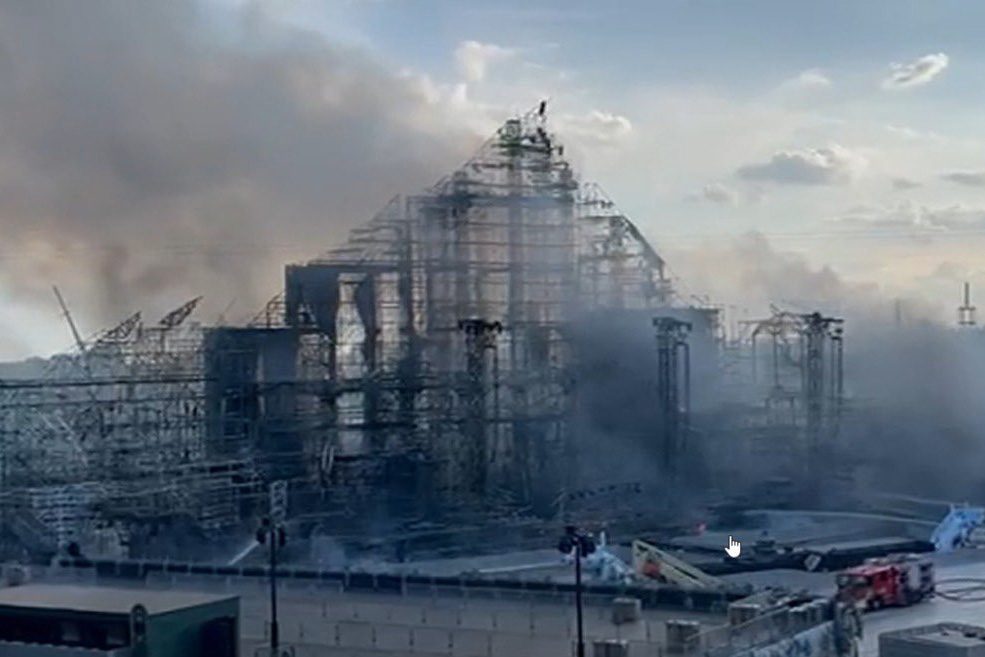
A suspected ethanol leak during equipment testing destroyed Tomorrowland’s main stage just days before opening, testing the crisis management of Europe’s largest dance music festival.
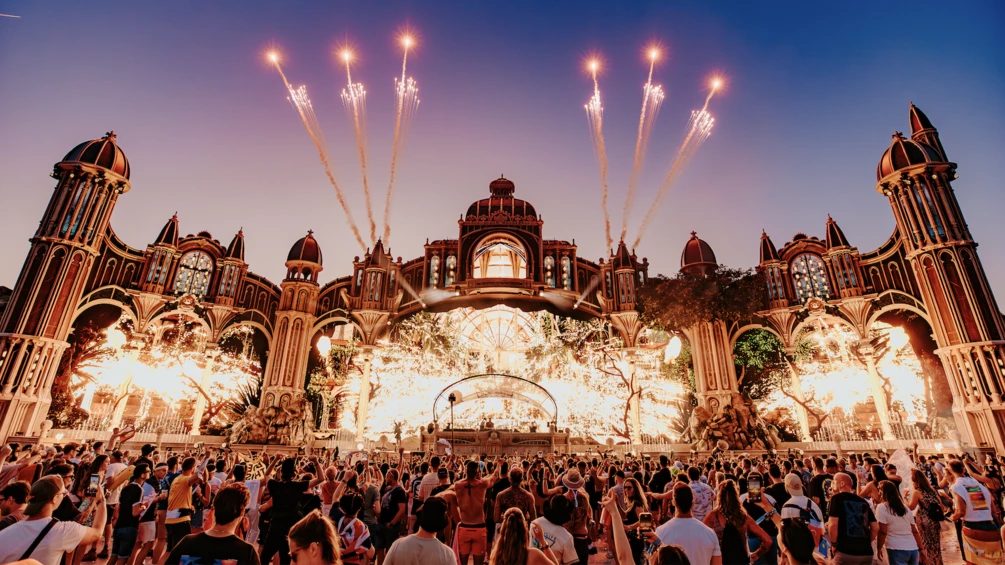
On July 16, a fire completely destroyed the Orbyz Mainstage at Tomorrowland's site in Boom, Belgium, just 48 hours before the 2025 edition was scheduled to begin. Sources now claim the blaze was triggered by an accidental ethanol spray during the testing of fire bowls, a routine pyrotechnic effect.
"During the testing or installation of those fire bowls, ethanol (which is highly flammable, ed.) must have been accidentally sprayed on to a part of the set," an anonymous source said. Security camera footage reportedly shows the stage catching fire immediately, a reaction the source stated would only occur if an accelerant was already present on the structure.
The destruction of a flagship venue so close to the event's launch presented a severe operational crisis for the organisers. More than 1,000 workers were on site at the time, though no injuries were reported. Rather than cancelling or delaying the event, the organisers executed a rapid logistical pivot to source a replacement.
Within two days, the festival constructed a new main stage built around an LED screen repurposed from Metallica's European tour. Tomorrowland opened on schedule, though its main stage programming was delayed by a single day. This level of supply chain agility highlights the interconnected nature of the European live events touring circuit, where major productions can share and relocate equipment on short notice.
For the broader European events industry, the incident underscores the extreme risks inherent in large-scale temporary infrastructure. Pyrotechnic effects require strict handling of hazardous materials, and accidents can quickly consume millions of euros in custom staging, impacting insurance premiums and safety protocols across the sector.
Tomorrowland spokesperson Debby Wilmsen acknowledged the reports while defending the festival's existing safety framework. "Of course, we never want to experience anything like this again, but the risk analysis also confirmed that our safety procedures were already very well organised," Wilmsen said. "It is impossible to eliminate every risk entirely. Weather conditions and human behaviour are factors that no one can fully control. That is why we prepare as thoroughly as possible for every conceivable scenario, with the aim of minimising risks and organising the safest festival possible.”
Official investigations into the exact cause of the fire remain ongoing. However, the swift recovery operation sets a notable precedent for how major European festivals can absorb catastrophic infrastructure failures without halting operations.