Szijjártó joins BYD after negotiating tariff-bypassing EU plant
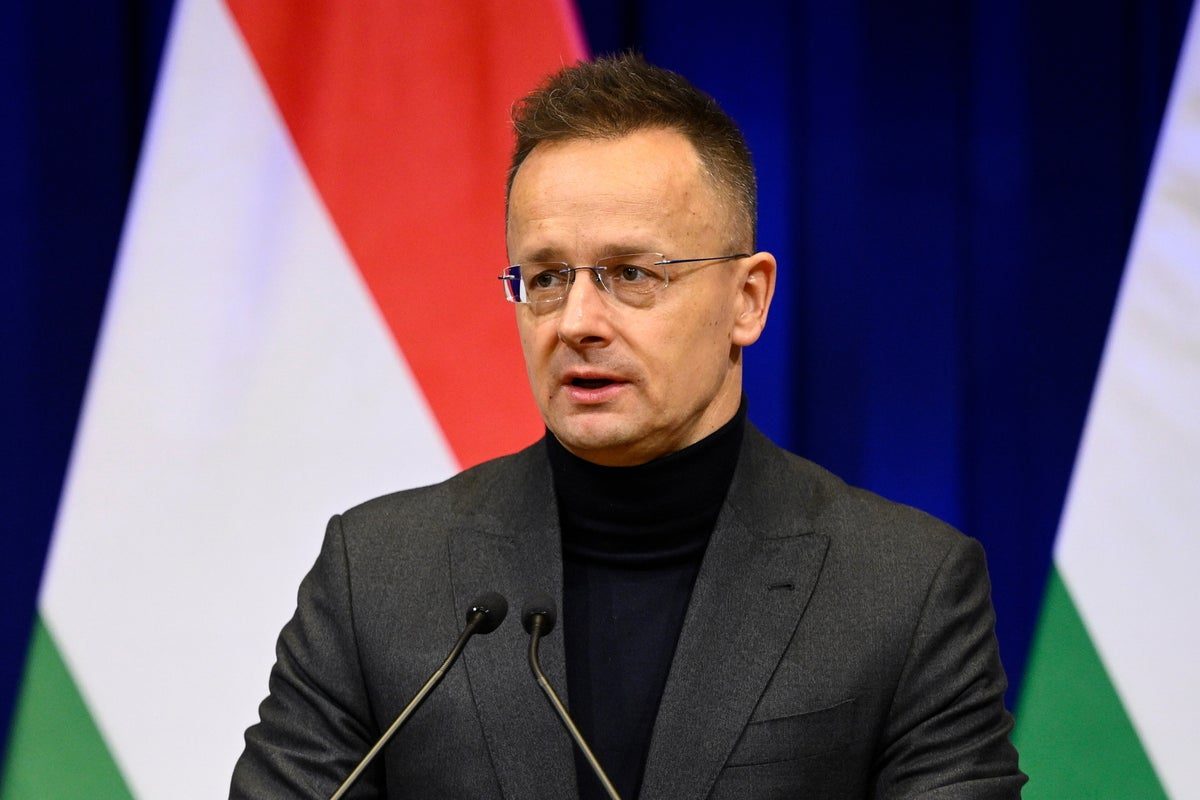
Hungary's former foreign minister has joined Chinese automaker BYD as an executive, highlighting Europe's fractured trade defences after he personally negotiated the company's tariff-bypassing factory in Hungary.
Péter Szijjártó has resigned his parliamentary seat to take an executive role at BYD. Announcing the move on Wednesday, Szijjártó said he would lead external relations and new business development for the world’s top electric vehicle maker, describing the position as “a highly prestigious offer.”
The appointment raises fresh questions about Europe’s fragmented approach to defending its automotive sector. As Hungary’s foreign and trade minister, Szijjártó personally spearheaded 224 rounds of negotiations to secure BYD’s first European factory. The 2023 deal allows the Chinese manufacturer to sidestep EU import tariffs implemented specifically to shield European automakers from subsidised competition.
Szijjártó’s transition to BYD aligns with the economic playbook he executed under former Prime Minister Viktor Orbán. During his nearly 12 years in office, he aggressively courted Beijing while opposing EU tariff policies. This strategy delivered a network of Chinese EV battery plants and a jointly developed Hungary-Serbia rail corridor under China’s Belt and Road initiative. Szijjártó previously called the BYD factory “one of the largest investments in Hungarian economic history,” noting it included state financial incentives.
His exit from domestic politics follows the April landslide defeat of Orbán’s Fidesz party by the pro-European Tisza party, now led by Prime Minister Péter Magyar. Szijjártó had held a parliamentary seat since 2002 but had been largely absent from votes and public life since the election.
The former minister’s tenure was also defined by his alignment with Moscow. Breaking with the rest of the EU following Russia’s full-scale invasion of Ukraine, Szijjártó repeatedly travelled to Moscow to secure oil and gas agreements. He referred to Russian Foreign Minister Sergey Lavrov as his “friend” and was awarded the Russian Order of Friendship by President Vladimir Putin in 2021.
His time in government ended amid controversy. During Hungary's 2026 election campaign, Szijjártó dismissed reports that he made regular calls to Lavrov during high-level EU meetings, though he admitted to conferring with him before and after the gatherings. The prior government’s espionage charges against an investigative journalist looking into those communications were subsequently dropped by the new administration.