Turkey coup aftermath leaves highly centralised state apparatus
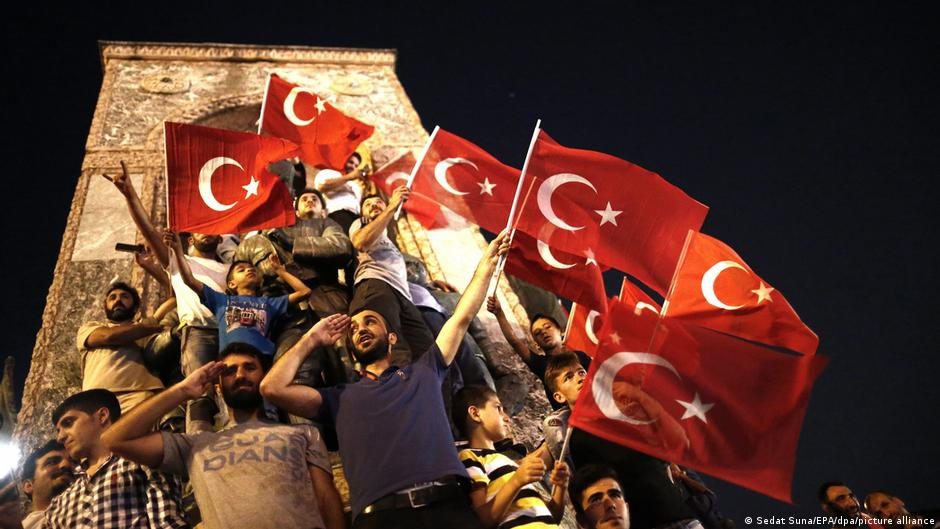
A decade after the failed 2016 coup, Turkey's mass purges and shift to a presidential system have created a centralised bureaucracy that prioritises political directives over professional expertise, altering the landscape for anyone engaging with the Turkish economy.
Ten years after tanks rolled through Ankara and soldiers blocked the Bosphorus Bridge, the failed July 15, 2016 coup attempt continues to define Turkey’s institutional reality. The government blamed the Muslim cleric Fethullah Gulen, who died in US exile in 2024, for the violence that left 253 people dead, most of them civilians. While the crisis passed within hours, the subsequent state of emergency, extended seven times until July 19, 2018, triggered a permanent restructuring of the state.
The scale of the purges was vast. During the two-year emergency, the president issued 32 decrees leading to the dismissal of more than 125,000 civil servants and armed forces members. According to official figures, approximately 390,000 people were detained or arrested between 2016 and 2025 on suspicion of ties to the Gulen movement, 4,130 received life sentences, and 2,761 institutions were shut down.
For European businesses and investors, the most consequential outcome is how the state apparatus now functions. Political scientist Ersin Kalaycioglu notes that the emergency practices have "become institutionalized to a certain extent," resulting in an "extremely centralized structure." The civil service has evolved from a body relying on "professional standards and scientific expertise" into an administration that "primarily implements political directives."
This centralization was cemented by a 2017 constitutional referendum, pushed through with the support of the Nationalist Movement Party. Turkey transitioned from a parliamentary system to a presidential one, abolishing the prime minister role and expanding executive power. Critics call it a "one-man system," while Kalaycioglu characterises the shift as a fundamental regime change into "neopatrimonial sultanism," where key decisions depend heavily on the president.
Despite this consolidation of power, political opposition has proven resilient at the local level. The Republican People's Party secured the mayoralties of Istanbul and Ankara in both 2019 and 2024 by forming electoral alliances. However, the operational environment remains highly constrained; Istanbul Mayor Ekrem Imamoglu, widely viewed as President Recep Tayyip Erdogan's main challenger, now faces terrorism-related criminal prosecution following his re-election.