Court of Appeal rules against Daily Mail publisher over donor photo
The Court of Appeal has overturned a High Court decision, exposing media companies to fresh data protection liabilities over misleading headlines that separate images from article context.
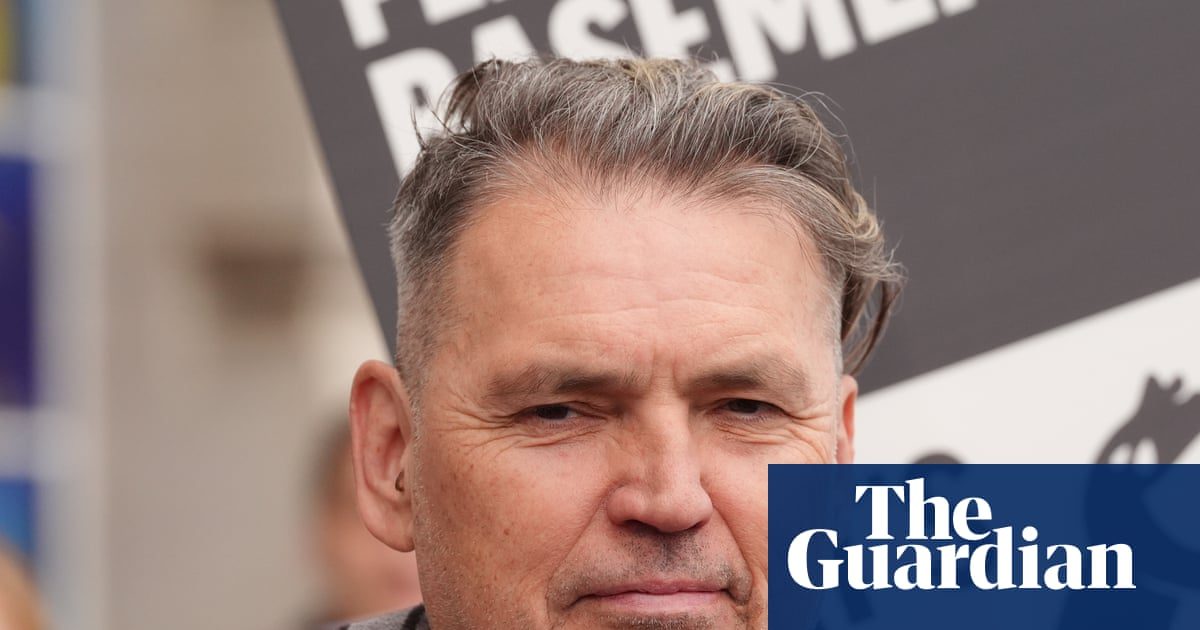
The Court of Appeal has ruled that Associated Newspapers Limited (ANL) must face a damages claim from green energy entrepreneur Dale Vince. The ruling follows ANL's publication of Vince's photograph alongside a headline accusing a different Labour donor of sexual harassment.
In June 2023, ANL published an article on its Mail+ app and in print headlined “Labour repays £100,000 to sex pest donor”. The headline referred to Davide Serra, who faced an employment tribunal in 2002 over sexist comments found to amount to unlawful harassment related to sex. Despite this, the published images showed Vince holding a Just Stop Oil banner.
The online photographs were replaced with images depicting Serra 47 minutes after publication. However, the original photographs of Vince remained in the printed newspaper. Vince argued that this unfairly used his personal data and would lead readers to believe he had been accused of sexual harassment.
A High Court judge initially threw out this data protection claim in June last year. ANL’s lawyers had argued that the full context was clear to anyone who read the whole headline and story. They also contended that Vince’s claim was an attempt to “resurrect” a 2024 libel action against the Mail regarding the same story.
Three Court of Appeal judges have now overturned that decision. In a 20-page ruling, Sir Geoffrey Vos said Vince was seeking redress for “an obvious injustice perpetrated by a wrongdoer who was taking every possible legal point against him”.
Vos stated that ANL had “failed to take care not to publish misleading information and images in the articles”, as required by the Independent Press Standards Organisation’s editors’ code. He noted that the headline juxtaposed next to Vince's images would have misled casual readers, giving ANL “no real prospect” of defending the claim.
Implications for media companies
For publishers, the ruling challenges the long-standing legal defence that audiences consume articles in their entirety. Courts may now penalise media companies for how headlines and images are consumed in isolation. ANL declined to comment on the ruling.
Vince, who has donated more than £5m to Labour, argued the decision highlighted a systemic flaw. “The fallacy at the heart of libel law is the assumption that people read both headlines and articles in full,” he said. “We all know this is not true; we all scan headlines and think we know what the story is. But that element of libel law has stood for over three decades, while the internet grew, social media came into the world, and our attention spans famously shrank. Libel law in our country is not fit for purpose. It needs updating for the modern era.”