EU's secret Taliban deportation talks leave rights monitoring void
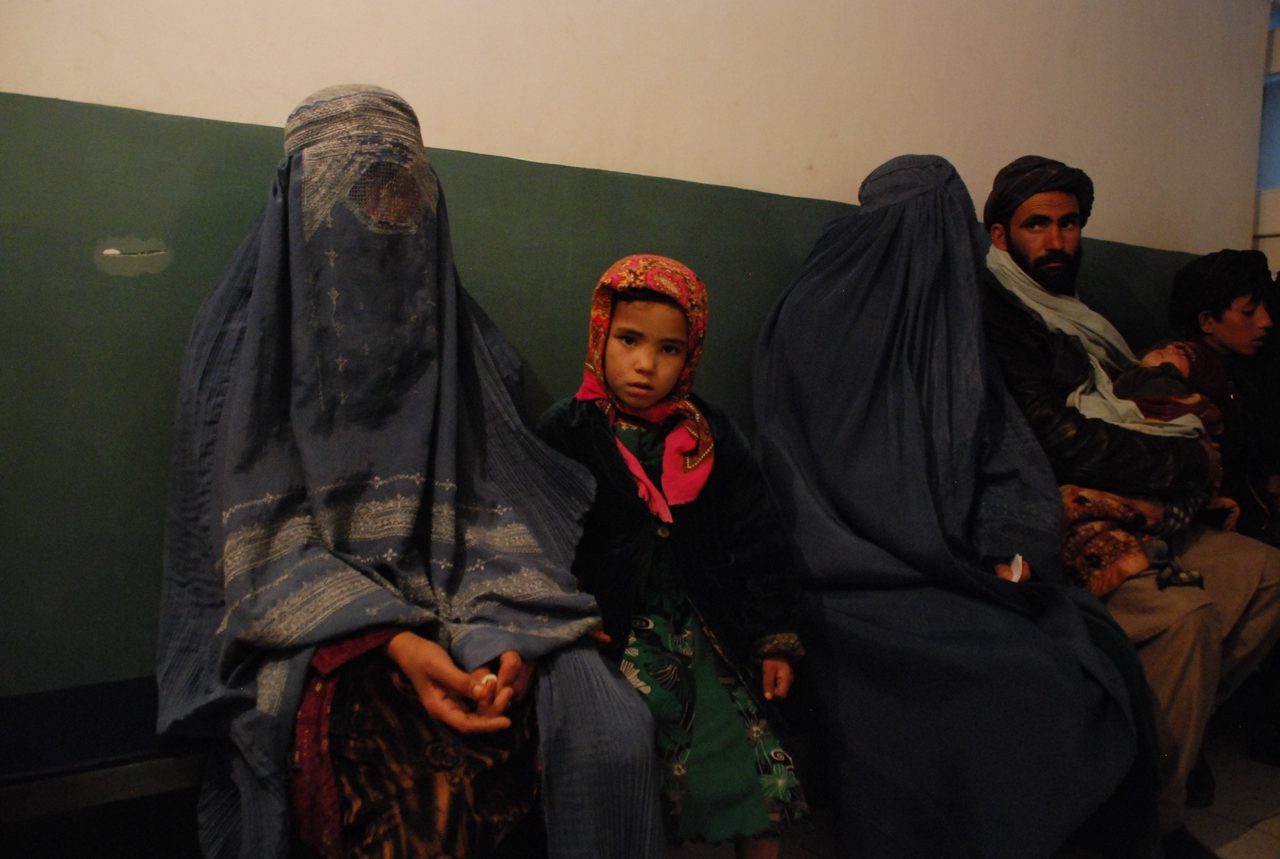
A closed-door grilling of EU Home Affairs Commissioner Magnus Brunner has exposed the absence of fundamental rights safeguards in the bloc’s controversial push to deport asylum seekers to Taliban-controlled Afghanistan.
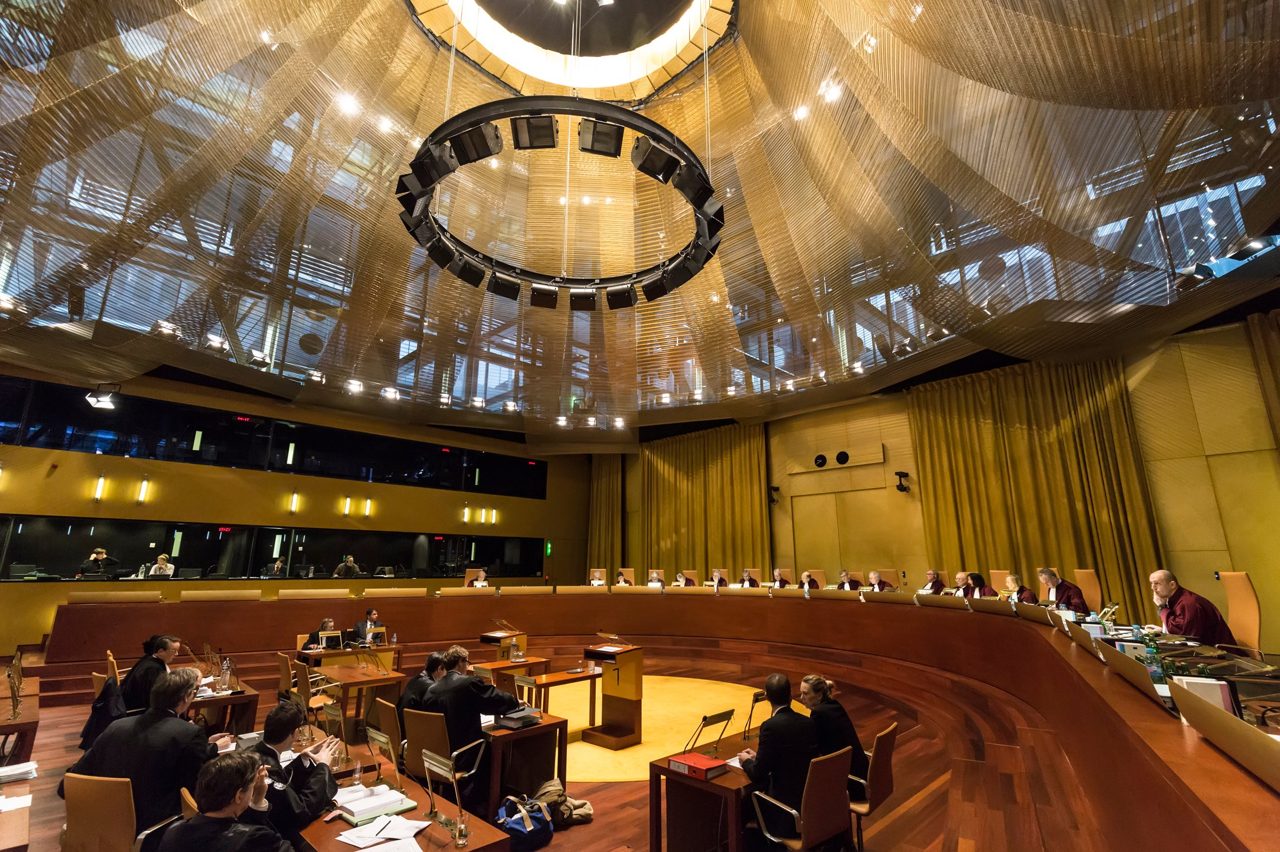
European lawmakers held a secret session in Brussels on Tuesday to challenge Magnus Brunner over the European Commission’s role in negotiating deportations with the Taliban. The centre-right European People’s Party (EPP) forced the meeting to be held in-camera, strictly limiting public access. Attendance was restricted to MEPs and just two advisors per political group, a constraint confirmed by a second source.
During the closed exchange, Brunner was pressed to explain exactly how the commission intends to monitor the fundamental rights of individuals forcibly returned to Afghanistan. "The commissioner seemed completely lost," said one EU source present at the meeting. The source noted that Brunner demonstrated no real understanding of the country and was unable to cite a single NGO operating on the ground that could track human rights conditions.
The tense confrontation highlights a dramatic and controversial shift in how Europe manages its migration burden. Last month, the commission and more than a dozen EU member states quietly hosted a Taliban delegation in Brussels for a single day. The explicit goal of this diplomatic engagement was to find a way to step up the forced removal of Afghan nationals from European territory.
While the commission frames these ongoing efforts as exclusively targeting individuals convicted of crimes, scepticism is growing among parliamentarians. Some lawmakers believe the true intention is to deport as many Afghans as possible. They point to a letter sent by EU member states last October which stated that while "priority should be given to the return of persons posing a threat to public order or national security," the door remains open for the eventual return of non-convicted Afghans.
For European governments, engaging the Taliban represents a calculated attempt to address domestic political pressures surrounding immigration by indirectly normalising relations with the de facto Afghan authorities. Yet, the secrecy demanded by the EPP underscores the political sensitivity of partnering with a militant group.
The most immediate concern for the EU is the execution of this policy. The apparent inability of the bloc’s top home affairs official to articulate basic safeguarding mechanisms exposes a significant governance gap. Without verifiable guarantees that returnees will not face persecution, the EU leaves itself vulnerable to legal challenges and severe reputational damage.
The EPP did not respond to requests for comment on the meeting. Because the session was held behind closed doors, the European Commission declined to comment on its contents.