Weimers report threatens EU court power to police captured judges
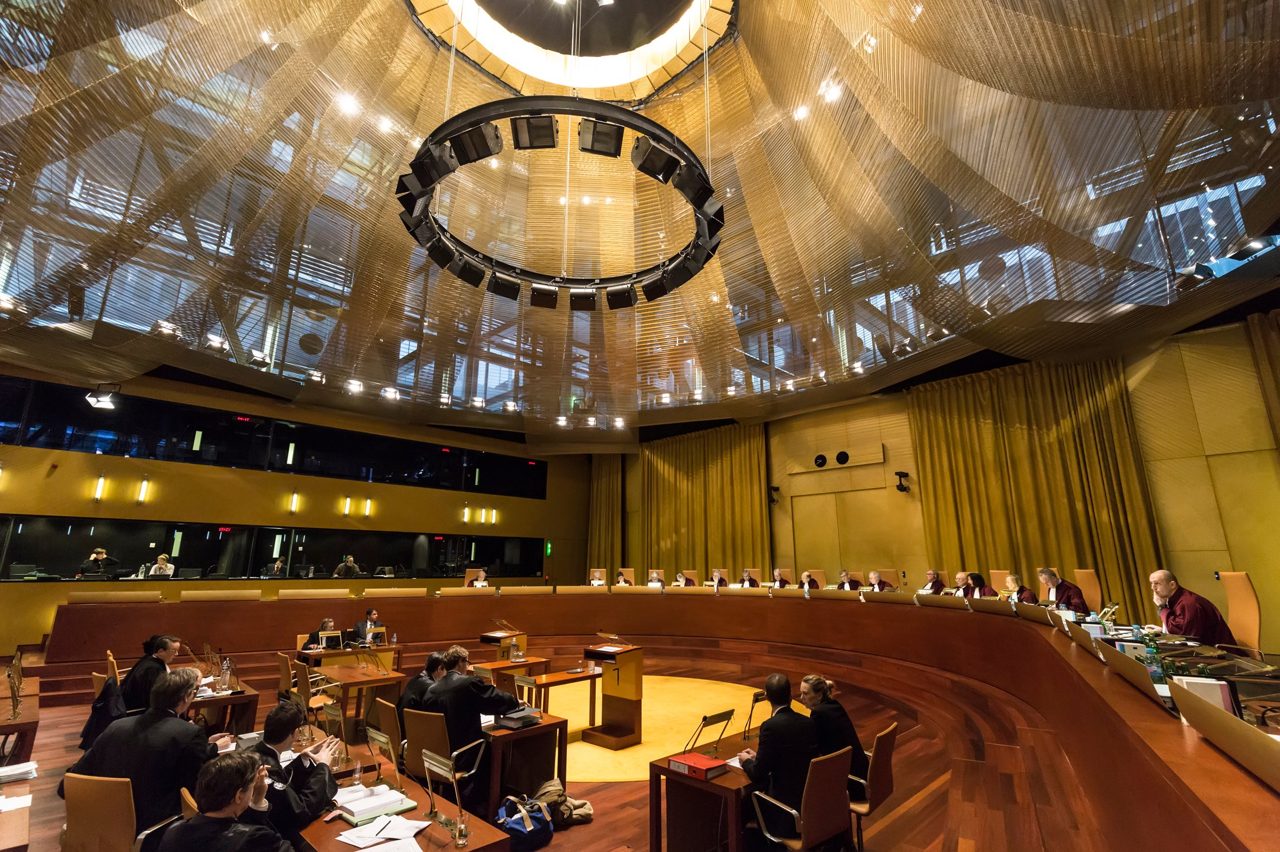
A right-backed parliamentary report would stop the EU’s top court from ruling on the independence of national judges, threatening the legal certainty that underpins cross-border trade and investment.
The European Parliament’s constitutional affairs committee is holding hearings this week on a draft report tabled on 29 June 2026 that seeks to curtail the Court of Justice of the European Union’s authority. Drafted by Swedish conservative MEP Charlie Weimers with the backing of the European People’s Party, the proposal targets the court's power to declare that a politically captured national judiciary can no longer apply EU law.
The report proposes a "reciprocal dialogue mechanism" requiring the Luxembourg court to invite a national court to submit observations before ruling on its independence. Critics liken this to asking a potentially compromised entity to advise the referee before a decision is made. Had this mechanism existed in December 2025, the court’s Grand Chamber ruling that Poland's Constitutional Tribunal no longer met independence standards might never have happened.
For businesses and investors, the stakes are foundational. Unlike a federal state, the EU lacks its own ground-level courts to enforce laws. It relies entirely on national judiciaries to act simultaneously as EU courts. Cross-border trade, worker mobility, and mutual recognition of contracts depend on the assumption that national judges are independent enough to protect commercial rights against state overreach.
If a company invests across borders, it must trust an impartial judge will enforce its contract. The Weimers report, supported by a broader push from the ECR, Patriots for Europe, and Europe of Sovereign Nations groups, threatens this framework by shielding captured courts from external review under Article 19 of the Treaty on European Union.
The political alignment behind the report reflects Manfred Weber’s so-called "two-ovens" strategy, leaning on the far right for initiatives the centre-right prefers not to champion alone. The committee's hearing guest list has drawn scrutiny for including a former German Constitutional Court judge known for scepticism toward the Luxembourg court, and Eleanor Sharpston, a former advocate general who unsuccessfully sued the institution over her Brexit-related removal. Notably absent are voices from the Polish or Hungarian judiciary to defend the Article 19 framework.
The Court of Justice is not entirely without fault. Its resistance to internal transparency, such as a lack of clear criteria for allocating cases and limited public access to hearings, has left it vulnerable to political attacks. However, the solution lies in forcing genuine administrative accountability and streaming hearings, not in stripping the court of the discretion required to keep EU law enforceable across the continent.