China moves to permanent coast guard presence near Taiwan
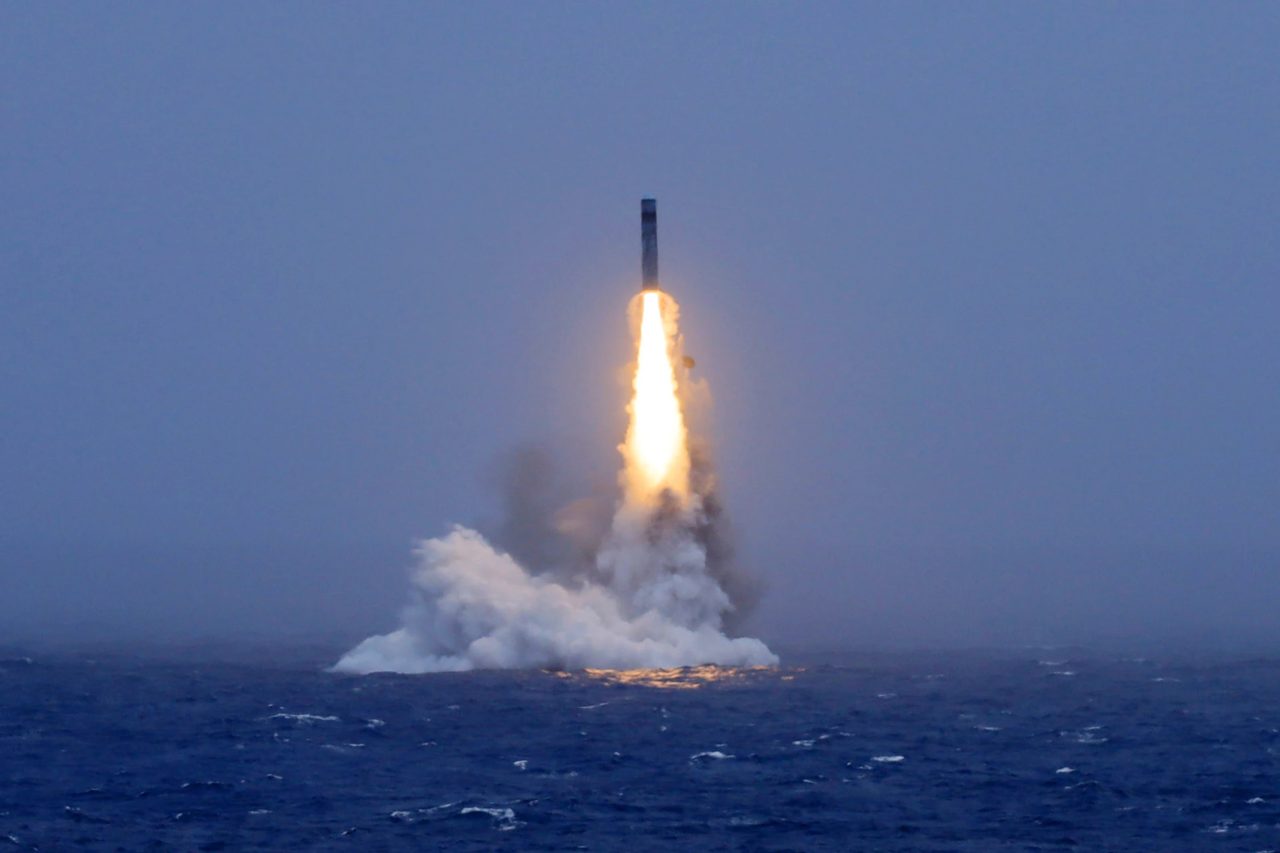
China is replacing sporadic military drills with a permanent coast guard presence near Taiwan while testing a submarine-launched ballistic missile, moves that normalize a chokehold on vital European trade routes and signal an operational nuclear triad.
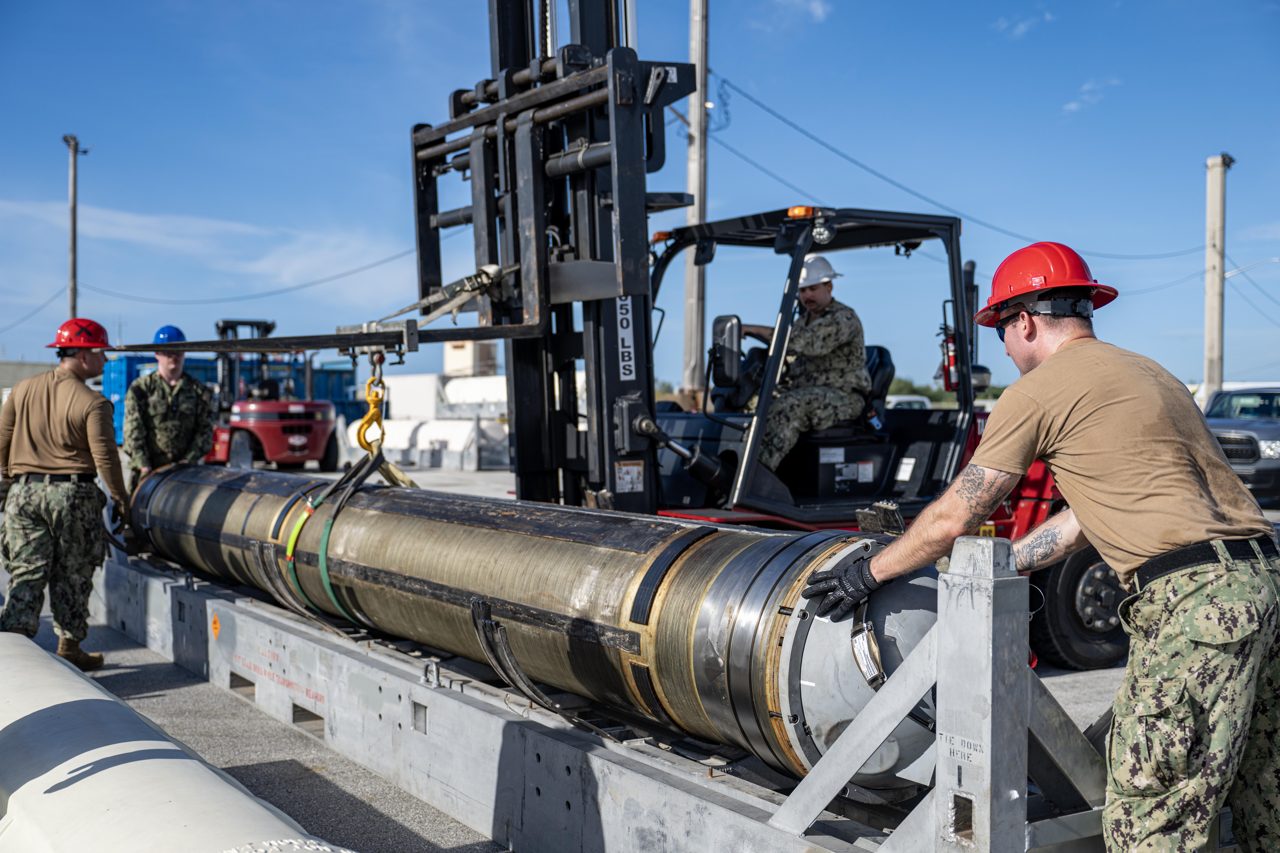
China has maintained a coast guard formation 54 nautical miles east of Taiwan since May, rotating vessels on July 4 in what analysts describe as a shift toward permanent, routine law enforcement rather than provocative naval drills. Weeks later, on July 6, Beijing test-fired a submarine-launched ballistic missile into the Pacific, a 7,300-kilometer flight likely over the Philippines carrying a simulated warhead.
Using white-hulled coast guard vessels instead of warships allows Beijing to lower the threat profile of its operations. “That China uses the coast guard instead of the navy and air force is probably to reduce the threat profile of the exercises, so as to be able to claim restraint rather than escalating to the level of the formal military,” said Brian Hioe of the University of Nottingham. “Nevertheless, China increasingly integrates civilian and military forces, making it harder for other countries to respond to grey-zone activity,” Hioe said.
Large coast guard ships are designed for longer deployments than standard naval vessels, noted Joshua Arostegui of the U.S. Army War College. The sustained patrols directly challenge the maritime boundaries of U.S. allies like Japan and the Philippines. If the presence becomes routine, it risks creating confusion between Taiwanese and Chinese coast guard units operating in the area, according to Enrico Cau of the Taiwan Strategy Research Association.
Taiwan’s government has accused the vessels of violating international law and damaging regional stability. For European governments and businesses, this structural escalation in Asian maritime security is a direct economic concern. The waters east of Taiwan and the South China Sea form essential corridors for European supply chains, particularly semiconductor shipments and broader container trade.
Normalizing a permanent paramilitary presence near Taiwan increases the risk of miscalculation or sudden disruptions to these commercial routes. The July 6 missile test, which coincided with Australia signing a defense treaty with Fiji and a joint China-Russia naval exercise, appeared aimed at curbing regional military buildups. “In particular it might be aimed at curbing any intention of regional powers harboring the ambition to either develop or host nuclear capabilities, Japan in primis,” Cau said.
The launch demonstrated a fully operational sea-based nuclear deterrent, a capability that is difficult for adversaries to detect or intercept. “I don’t think it’s a new strategy as much as demonstrating its ability to have a nuclear triad basically,” Arostegui said. Beijing’s Xinhua News Agency stated the test was part of an annual training program and that relevant countries had been notified in advance.
Experts warn both the patrols and the missile launches are likely to persist. Sophie Wushuang Yi of Tsinghua University noted that Beijing’s language points to making the coast guard presence routine. Regarding the missile test, she said: “I would expect such launches to become periodic but rare. What the navy is proving, in my assessment, is that its sea-based deterrent is not merely symbolic but operational.” She added that the exercises are consistent with the PLA-wide requirement of being “able to fight and win.”