Apple clears Chinese AI hurdle with Alibaba partnership
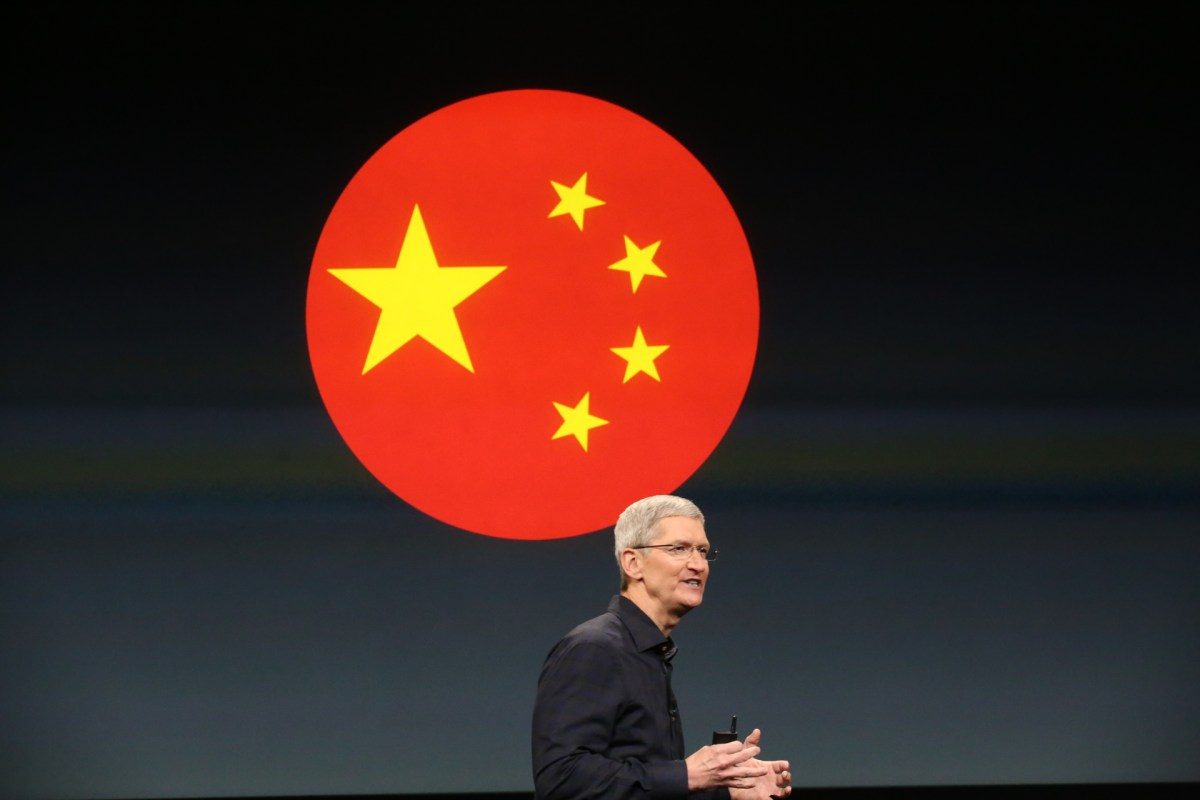
Apple has secured Chinese regulatory approval to launch its AI services using Alibaba’s models, a deal that underscores the localized reality of global artificial intelligence and lifted Alibaba’s shares.
China’s cyberspace regulator has approved Apple’s generative AI services for the domestic market, clearing the way for the iPhone maker to deploy the technology through a partnership with Alibaba.
The agreement will integrate Alibaba’s Qwen AI model across Apple’s operating systems, including iOS, iPadOS, macOS, and visionOS. Alibaba confirmed the collaboration, stating Qwen would be "integrated into Apple Intelligence experiences" covering capabilities like "text and image understanding and generation," though it did not specify a launch date.
The approval resolves a prolonged bottleneck for Apple. Since Apple Intelligence debuted in 2024, the company struggled to find a domestic partner to meet Beijing’s regulatory requirements. Apple reportedly explored deals with Baidu, DeepSeek, and ByteDance but hit roadblocks, particularly in adapting Baidu’s models for Chinese consumers.
These failed negotiations highlight the intense nature of China's AI sector. Local developers are racing to embed their foundational models into as many endpoints as possible to train and refine their algorithms. By choosing Alibaba, Apple has effectively anointed a winner in this specific race for Western hardware integration.
Entering the Chinese AI market is crucial for Apple to maintain its hardware momentum in the region. In the second quarter, Apple’s sales in Greater China surged 28% to $20.5 billion. The company also recently reclaimed the number two position in China’s smartphone market, aided by heavy discounting during a recent shopping festival.
For European investors and tech executives, the deal offers a window into the future of global tech competition. It demonstrates that even the world's most valuable companies cannot simply export their proprietary AI systems into highly regulated, sovereign markets. Instead, accessing hundreds of millions of users requires integrating with local infrastructure and relying on domestic models.
This dynamic offers a clear lesson for Europe's own tech sector and regulators. As Brussels implements its own stringent rules on artificial intelligence, the Apple-Alibaba tie-up serves as a preview of how market access may increasingly force Silicon Valley giants to make strategic technological compromises with local players.
Financial markets rewarded Alibaba for securing a high-profile partner. U.S.-listed shares of the Chinese tech group climbed 4% in pre-market trading and were up more than 6% as of publication. The surge reflects a market judgment that Qwen has bested rivals to become the default AI backbone for foreign devices in China.