US Distillers Challenge European Alpine Spirits Monopoly
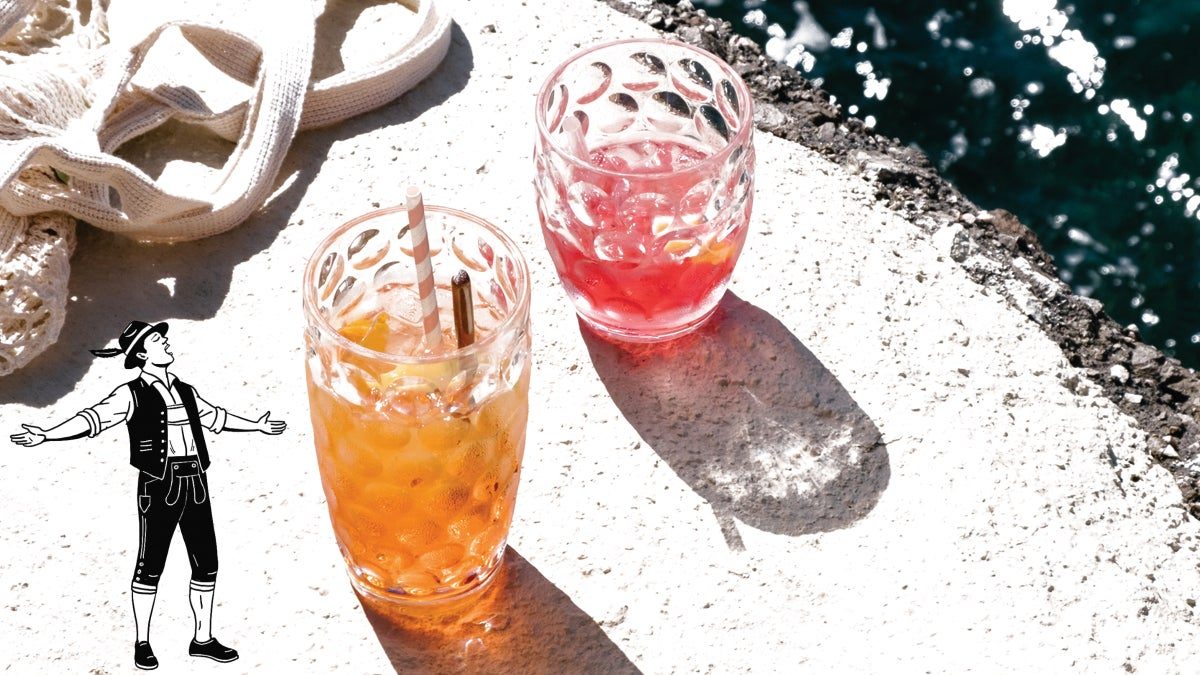
American craft producers are formulating local substitutes for European amari and herbal liqueurs, threatening a traditional export market for the continent's distillers.
American distillers are rapidly expanding their portfolios to include alpine spirits, directly competing with European imports like Chartreuse and Campari. These domestic producers are formulating botanical liqueurs designed to match the exact chemical profiles of iconic European brands while substituting local ingredients.
Just over a decade ago, European bottles entirely supplied the American market for these bitters. Haus Alpenz, the importer credited with establishing the category stateside, brought Austrian stone pine liqueur Zirbenz to the US in 2005. By 2011, when Sother Teague opened Amor y Amargo in New York City’s East Village, the bar’s offerings remained entirely European. “Now, pretty much any distillery that you can think of here in America is adding an aperitif or digestif or amaro to their portfolio,” Teague says.
The strategic threat to European exporters lies in the precision of these American substitutes. BROVO Spirits in Washington state developed Uncharted Rhapsody, which founder Mhairi Voelsgen notes is a "dead ringer for green Chartreuse in ABV, Brix, and acid." Another bottling, Gen P, approximates a European Genepy or yellow Chartreuse, making them "easy swaps for mixing" behind American bars.
To justify their market entry, US producers are leaning on regional terroir and agricultural supply chains. Eda Rhyne in Asheville taps into Western North Carolina’s biodiversity for its Appalachian Fernet and Amaro Flora. Leopold Bros in Denver utilizes Rocky Mountain herbs for its Three Pins liqueur. Breckenridge Distillery uses locally harvested genepi and gentian for its self-titled bitter. Master distiller Hans Stafsholt notes the specific local profile includes sage, milk thistle, fresh citrus, and cherry.
Other producers are integrating major American agricultural sectors into their spirits. BROVO harvests spring buds of Douglas fir on Mount Baker and incorporates hops, leveraging Washington State’s status as the world’s largest producer of the plant. The trend has also prompted regulatory shifts, with the Chehalis tribe overturning a historic ban on tribal liquor production dating to the Andrew Jackson administration to release its own Talking Cedar Amaro this spring.
General manager Matt Hofmann uses the Talking Cedar Amaro as a direct replacement for Campari in a Boulevardier cocktail. By offering locally sourced, mixable equivalents to European amari, American distillers are positioning themselves to capture a growing share of the premium aperitif market.