Coroner links Stiles brain damage to heading, raising legal stakes
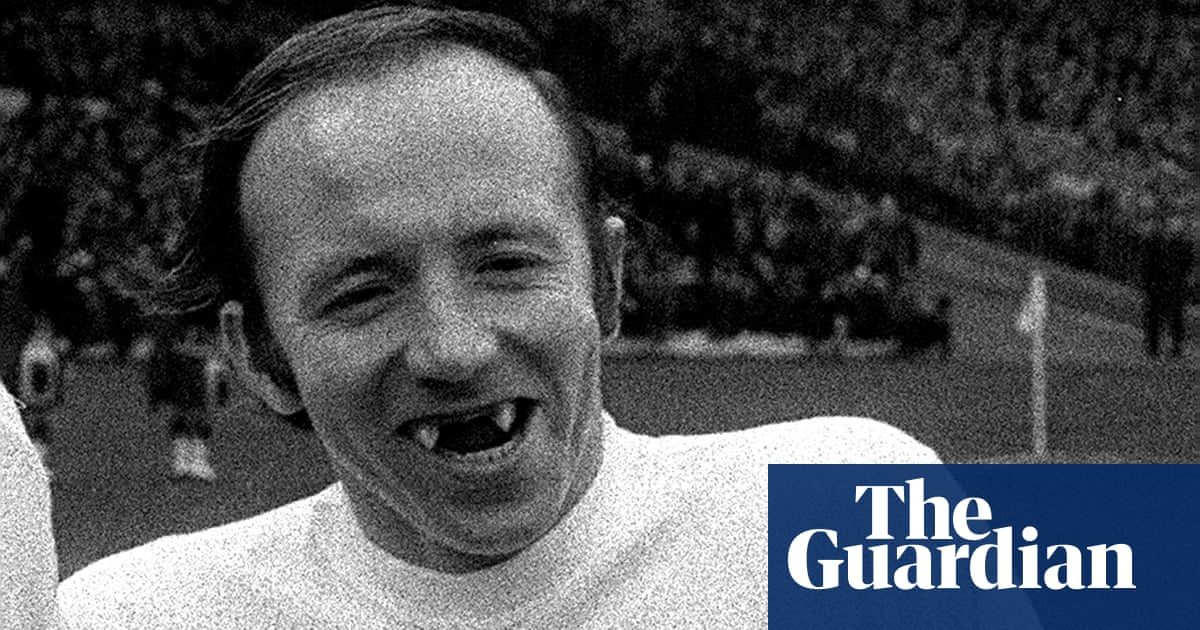
A coroner has ruled that repeated heading caused Nobby Stiles’s brain condition, adding judicial weight to ongoing lawsuits against football authorities over their duty of care to former players.
A senior coroner has ruled that chronic traumatic encephalopathy (CTE) in Nobby Stiles, an England World Cup winner, was caused by repeatedly heading a football. Alison Mutch recorded the finding at an inquest in Stockport on Wednesday, confirming a direct link between the 1966 midfielder's playing style and the severe dementia he suffered before his death in 2020.
Stiles, capped 28 times by England and a nearly 400-time player for Manchester United, was described by fellow World Cup winner Geoff Hurst as the "heart and soul" of the team. Yet his later years were defined by illness. Analysis of his brain showed severe dementia resulting from both Alzheimer’s disease and CTE, a condition associated with repeated head trauma.
Dr Daniel Du Plessis, a neuropathology expert, told the court he was "quite convinced" heading the football caused the CTE. When asked by the coroner if repeated heading was the cause, Du Plessis replied: "Yes." The inquest heard Stiles headed a ball approximately 140,000 times during his career. His son John told the court the historic balls weighed about 450 grams but absorbed water and grew heavier.
John Stiles remembered his father as a "very humble" family man who left football "at the door" and never bragged about his famous victory jig at the 1966 final. However, the family was forced to watch him sell his World Cup winner’s medals to fund his care. John Stiles, who leads the Football Families for Justice group, has said football "killed" his father.
This formal coroner's ruling strengthens the legal position of dozens of former footballers and their families. They are actively suing the Football Association, the Football Association of Wales, and the English Football League. The families claim the governing bodies were "negligent and in breach of their duty of care" toward players who sustained head injuries during their careers.
The Stockport verdict establishes a clear legal precedent in the UK. It follows a January inquest into the death of 70-year-old Gordon McQueen, a former Scotland, Leeds United and Manchester United defender also diagnosed with CTE. In that case, a coroner ruled heading the ball was "likely" to have contributed to a brain injury that factored into his death. For European football institutions, these correlated rulings signal a growing, quantifiable liability regarding historical player welfare.