Google's record solar bet highlights AI energy strategy split
Google's purchase of the largest solar facility in the US underscores a deepening divide in how tech giants choose to fuel the artificial intelligence boom, a strategy with direct implications for Europe's own clean energy transition.
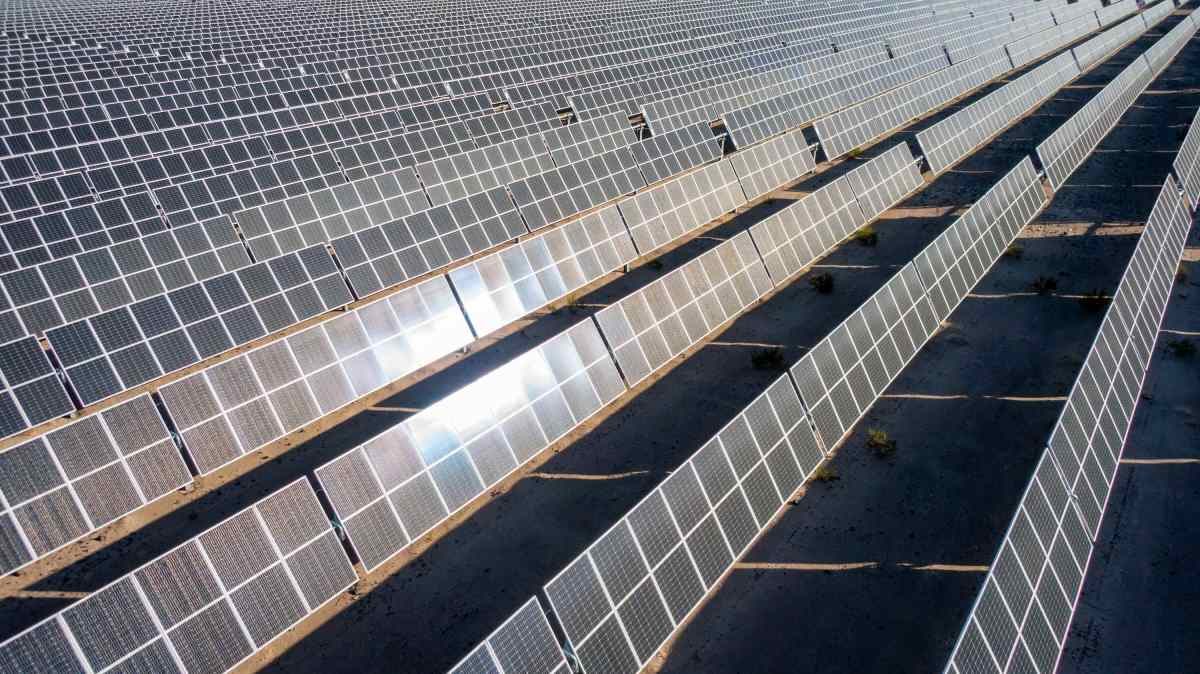
Google has agreed to buy the entire output of the first two phases of a massive new solar and battery project in Arkansas, marking the company's largest clean power purchase to date. Developed alongside Cypress Creek Energy, the Steel River Energy Center will initially add 1 gigawatt of solar capacity and 1.9 gigawatt-hours of battery storage to the regional grid. A final phase scheduled for 2029 will bring the total to 1.8 gigawatts of solar and 2.9 gigawatt-hours of storage, making it the largest solar facility in the United States.
By pairing solar panels with massive batteries, the facility can deliver continuous power to the grid. This directly supports Google's goal of matching its data center electricity use with carbon-free energy on an hourly basis. Cypress Creek has secured $3.5 billion in financing for the initial phases, proving that hybrid renewable plants can be deployed rapidly to meet the immense power demands of modern computing.
A transatlantic divergence in AI power
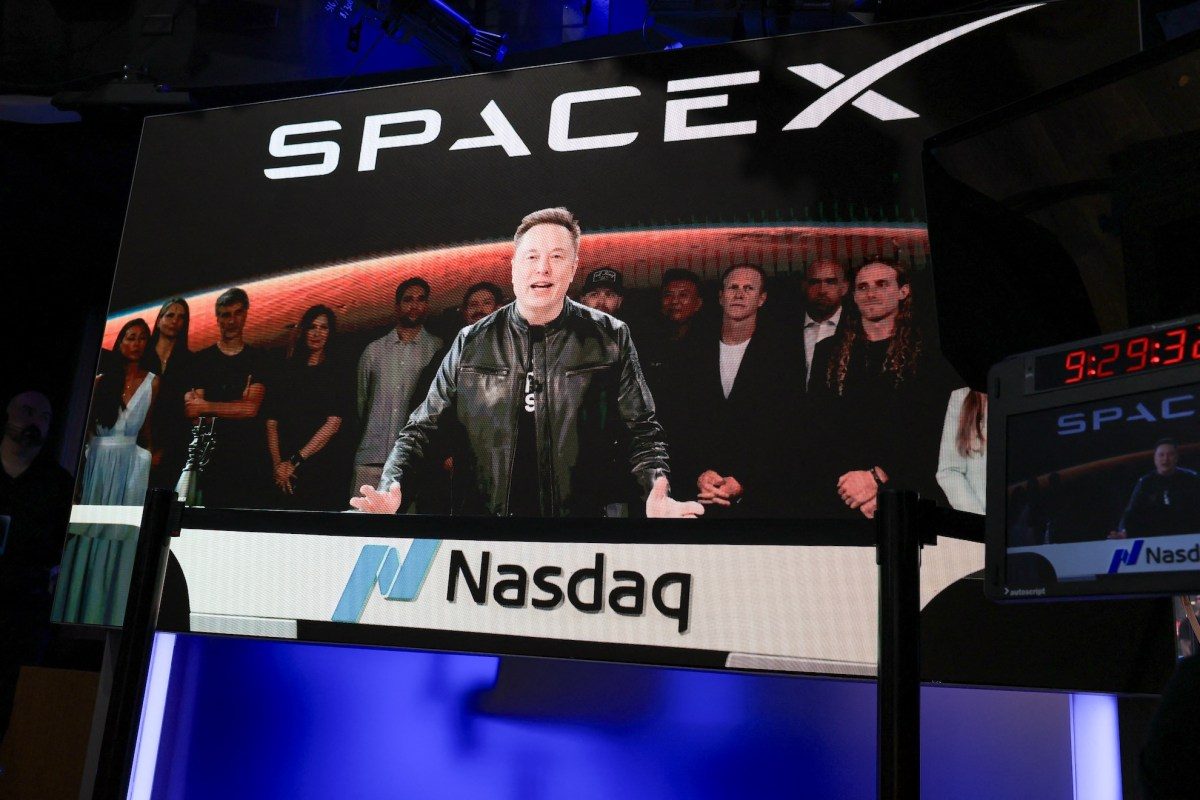
Google's approach stands in stark contrast to the strategy pursued by Elon Musk's xAI, which operates an unpermitted natural gas power plant just 40 miles to the south. According to a Reuters report, xAI is running nearly 60 natural gas turbines without federal clean air permits, generating pollution that disproportionately affects predominantly Black neighborhoods. Musk recently reinforced this fossil-fuel approach by purchasing APR Energy, a developer of modular natural gas power plants.
For European investors and policymakers, this divergence is highly significant. The continent is racing to build its own AI infrastructure while simultaneously enforcing strict environmental regulations and emissions targets. If Google can successfully deploy nearly 2 gigawatts of clean power in three years, it undermines the prevailing tech industry narrative that artificial intelligence requires rapid, unregulated fossil fuel expansion to thrive.
Google is not entirely abandoning fossil fuels, having partnered with Crusoe on a 933-megawatt natural gas plant in West Texas. However, the scale and speed of the Steel River project suggest that hybrids relying on renewables and batteries remain the company's preferred pathway forward. European energy markets, which already lead in grid-scale battery deployment, will likely view this as a validation of their regulatory and investment strategies.