UK's incoming PM Burnham shelves wealth tax to reassure business
Andy Burnham’s decision to delay wealth taxes eases business anxieties as he enters Downing Street, but leaves a £4.7bn defence funding gap and utility nationalisation plans without a clear financing route.
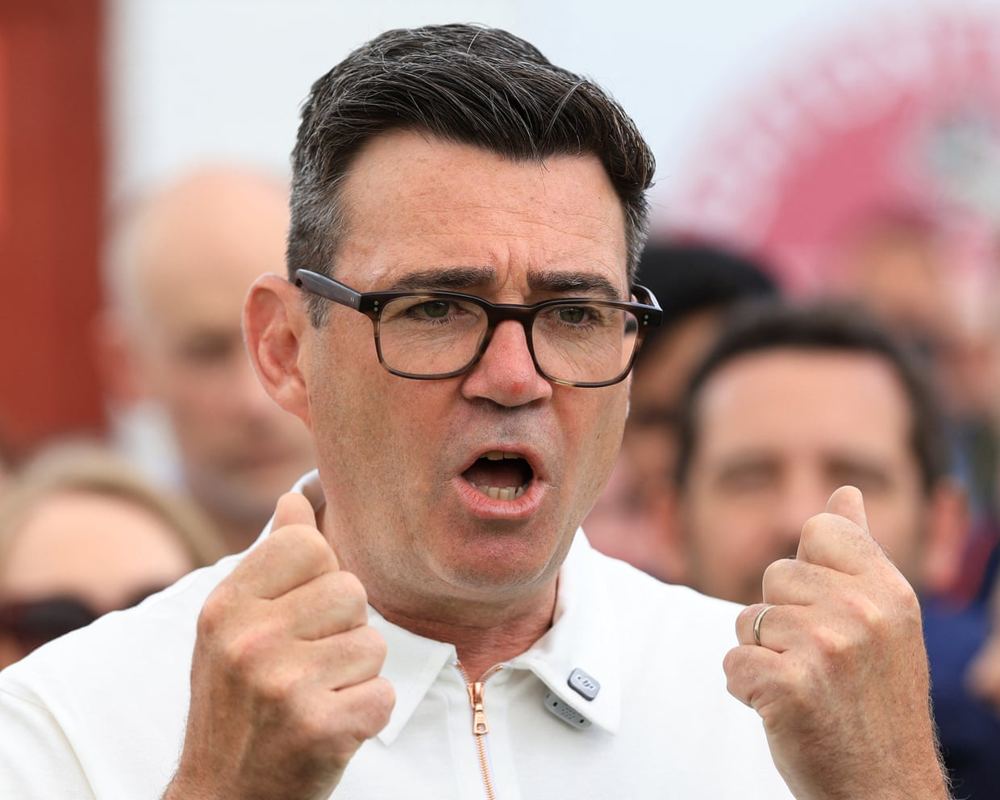
Andy Burnham has confirmed he will not introduce a wealth tax upon entering 10 Downing Street, a move that immediately reassures the business community but significantly constrains his ability to fund major spending priorities. The incoming prime minister is days away from taking office after securing enough support from Labour colleagues to avoid a contested leadership race.
Speaking to the footballer turned podcaster Gary Lineker on Wednesday, Burnham emphasised his desire for a greater sense of fairness but warned against the perception of holding "grudges and agendas". He stated he did not want to "create new divisions and pitch people one against another."
"I don’t want to sort of be perceived as somebody who’s coming in with grudges and agendas," he added. "You know, going to just immediately find or demonise one group or create a new way of dividing people."
The Makerfield MP left the door open for future levies, noting that "at some point that might be having to ask for a little more." However, he stressed that for now, those decisions are "for another day."
This cautious approach narrows Burnham's fiscal options at a critical juncture for the British economy. He has pledged to adhere strictly to the government’s existing borrowing rules and Labour’s 2024 manifesto, which explicitly rules out increases to income tax, national insurance or VAT.
Despite these constraints, he must still find an extra £4.7bn to fund the government’s defence investment plan. He also needs a financing route for his flagship proposal to bring utilities back under public control.
Earlier this month, Burnham told LBC that changing business rates remained a possibility within his fiscal rules. The decision to shelve wealth taxes, however, represents a clear setback for his more leftwing parliamentary supporters.
Allies like Louise Haigh had pushed for a "proper wealth tax that rewards work, closes loopholes and finally gives us the means to invest in the NHS, schools and our communities." Former health secretary Wes Streeting had also advocated aligning capital gains tax with income tax rates.
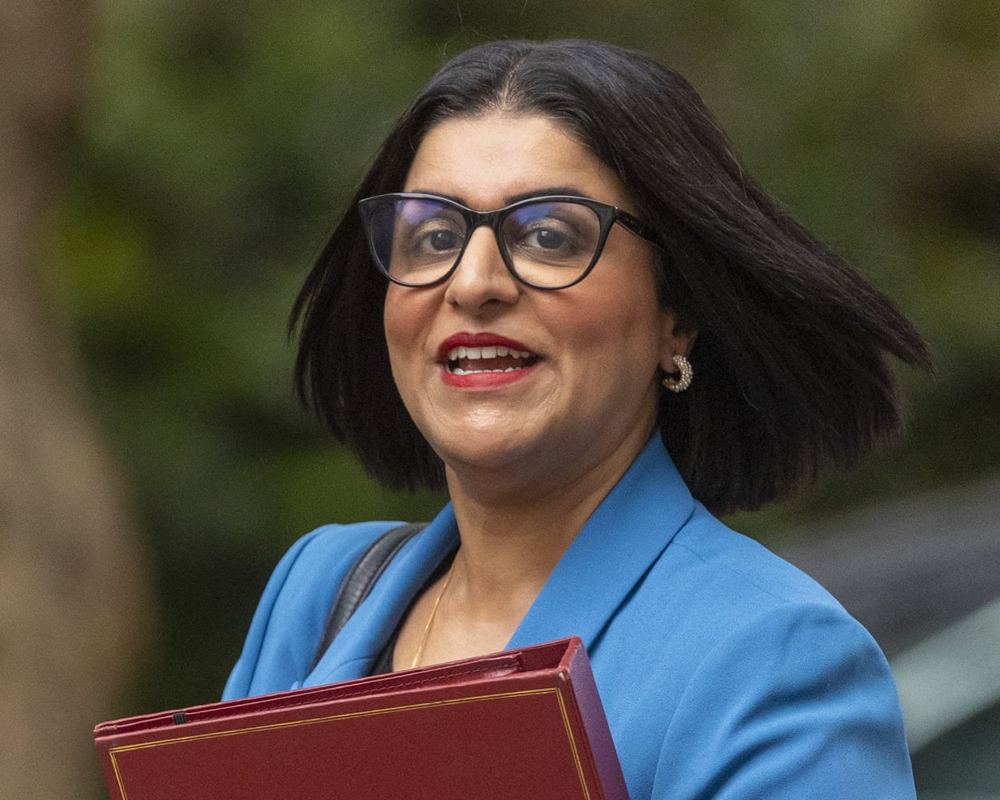
Treasury officials have previously argued that raising capital gains tax would fail to generate extra revenue, as wealthy individuals would simply delay selling assets or move them. Meanwhile, those close to Burnham have briefed that Shabana Mahmood, the home secretary, is the frontrunner to become chancellor.
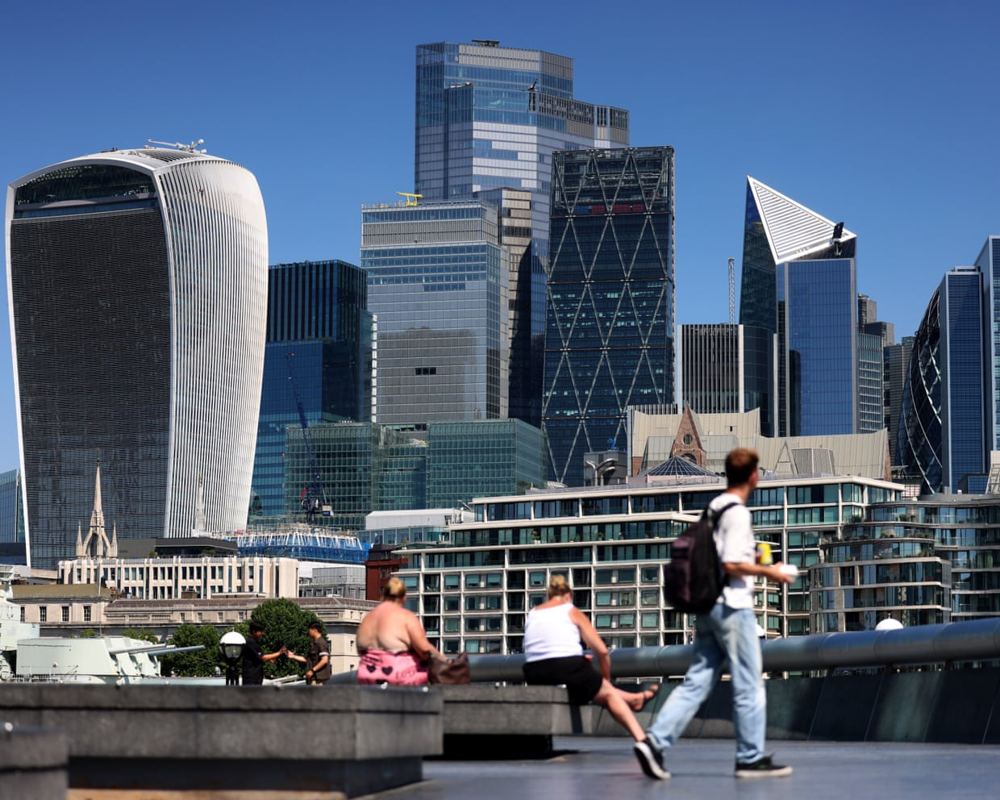
For European investors and trading partners, Burnham's early fiscal choices signal a desire to avoid market instability in the UK. This cautious stance comes even as the financial pressures of nationalising utilities and boosting defence spending continue to mount.