Kongsberg wins US missile deal as Pentagon shifts to cheap mass munitions
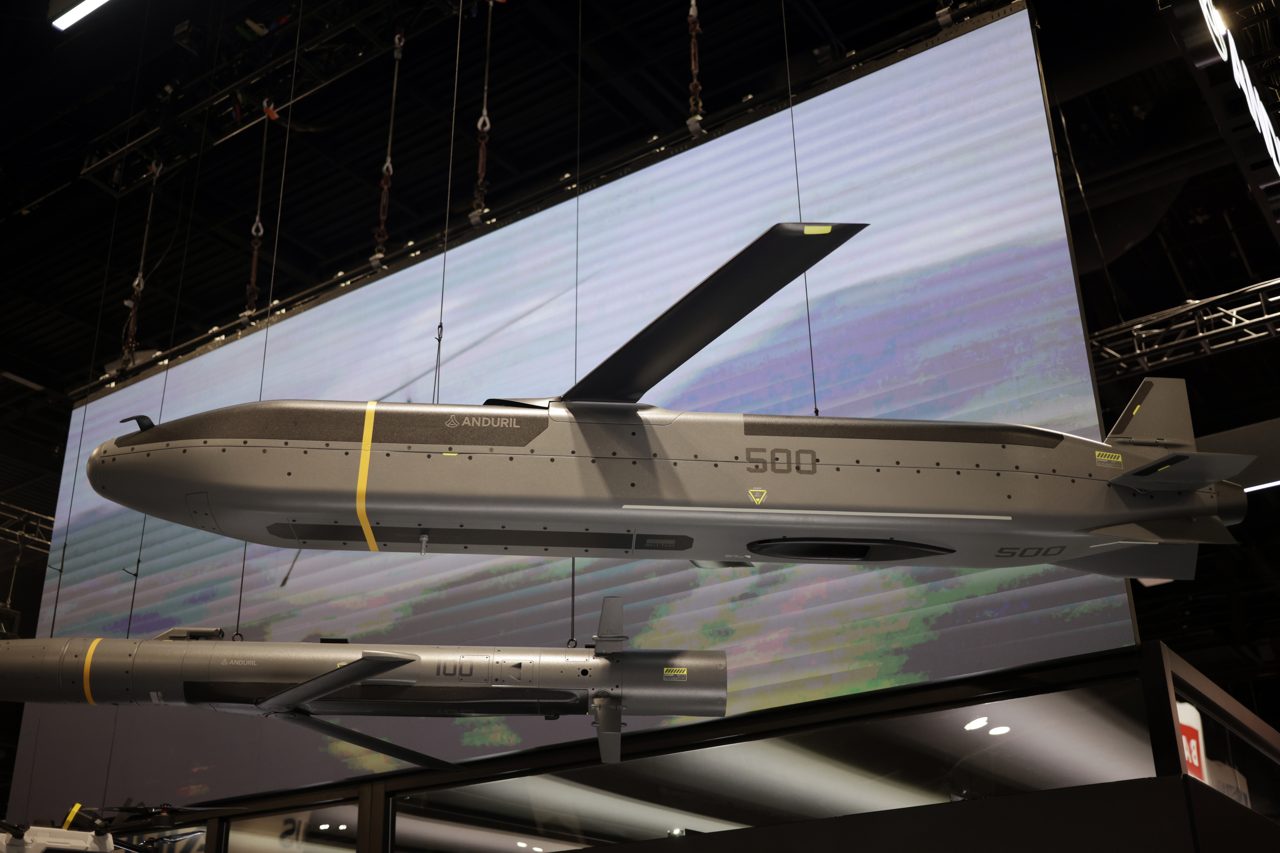
The U.S. Air Force is turning to cruise missiles it can buy by the thousand, cheap enough to shoot many for less than it once cost to shoot one.
The Pentagon signed framework agreements on Wednesday with Anduril, CoAspire and Zone 5 Technologies to build affordable cruise missiles under the US Air Force’s Family of Affordable Mass Missiles (FAMM) program.
While Anduril and CoAspire are domestic firms, Zone 5 was acquired in June by Kongsberg. The Norwegian defense contractor will now share in a five-year budget projection of $12.6 billion for 28,000 missiles, giving a European industrial base a direct role in a major shift in American munitions procurement.
The Air Force is fundamentally changing the economics of its airstrike capabilities. Current Joint Air-to-Surface Standoff Missiles cost more than $1.3 million apiece. The FAMM program targets a unit cost of roughly $218,000, allowing the military to launch large volumes of weapons for the price of a single legacy missile.
The missiles will be built in two formats: a lugged variant for fighter jets and bombers, and a palletized version dropped from cargo planes. Both will have ranges between 250 and 500 miles. Anduril noted its seven-year agreement could see deliveries start in 2027, with the Air Force intending to buy up to 8,000 rounds a year across all vendors.
These agreements do not constitute immediate orders. Instead, they establish the commercial terms necessary for companies to invest in massive new production lines. The Pentagon is splitting the work among qualified suppliers using firm fixed-price contracts with minimum order floors, rewarding companies that beat their production schedules with extra orders.
The missiles must still pass testing and qualification. Actual purchases depend on Congress approving the multiyear deals the Pentagon is seeking.
Under Secretary of Defense for Acquisition and Sustainment Michael P. Duffey said the FAMM deals showed the department “expanding the defense industrial base, fielding capabilities faster, and attracting private investment.”
For European investors and defense planners, Kongsberg’s foothold in this program is a notable development. It demonstrates that European firms can secure significant work in Washington's push to field cheaper, mass-produced munitions, a procurement philosophy driven by the high expenditure rates expected in modern high-intensity conflict.
That structural shift is not limited to the Air Force. In May, the same three companies, along with Leidos, were selected for the Army-led Low-Cost Containerized Missiles program for ground-launched weapons. As European capitals increase defense spending to meet NATO targets, the US commitment to cheap, scalable munitions signals exactly where the transatlantic defense market is heading.