Abu Dhabi-backed Caprice Holdings buys New York property for $100m
The owner of London’s Annabel’s has purchased a historic Manhattan building for $100 million, signalling aggressive transatlantic expansion despite local regulatory hurdles.
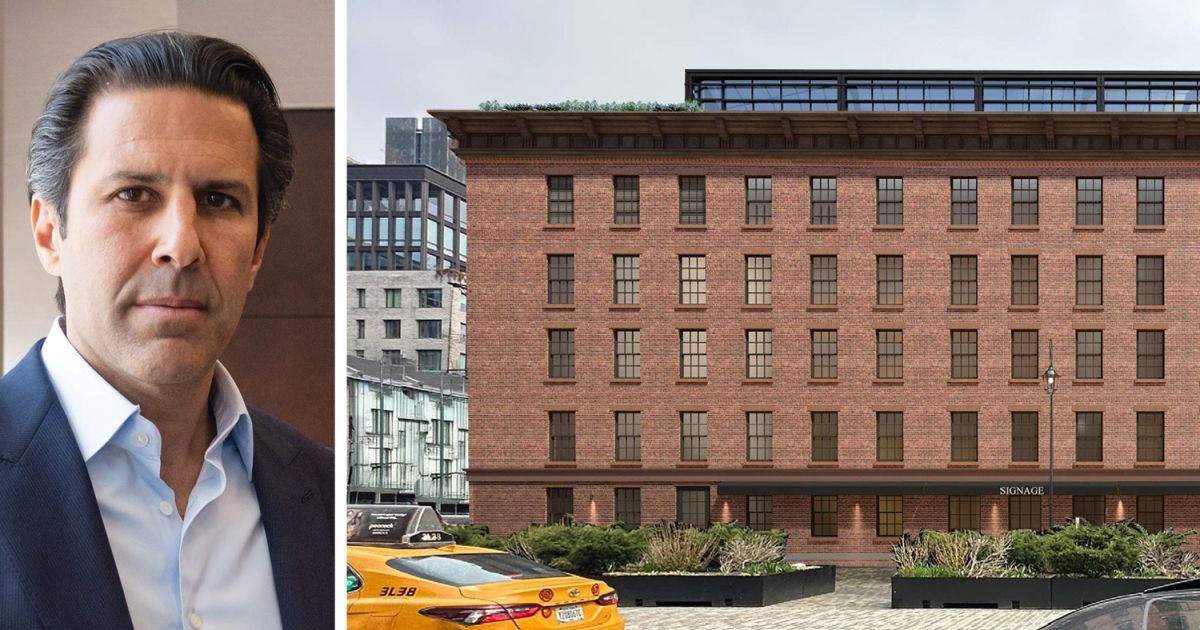
London-based hospitality group Caprice Holdings has purchased a five-story building at 675 Hudson Street in New York for $100 million. Property records published on Tuesday confirm the acquisition of the historic Manhattan site, widely known as the Herring Building.
The operator intends to transform the 19th-century structure into a New York outpost of Annabel’s, the exclusive private members’ club. This redevelopment hinges on approval from the New York City Landmarks Preservation Commission (LPC), which has previously expressed reservations about the proposed rooftop nightclub at the 14th Street Triangle.
Agency officials recently noted that the curved glass structure, designed by BKSK Architects, clashes with the historic building’s character. Margins on the latest presentation advised the new owners to “improve [the] design relationship between rooftop addition and underlying historic building.” Further comments warned that the “curvilinear form of rooftop addition is fighting geometry of historic building; scale should be reduced.”
The transaction represents a substantial markup for the seller, Robert Cayre’s Aurora Capital Associates. A deed transfer indicates that Aurora acquired the Meatpacking District property in a 2023 bargain sale for just $50 million. To fund the new purchase, Caprice secured $165 million in financing from HSBC, according to the property records.
This expansion underscores the growing international footprint of UK hospitality brands under Middle Eastern ownership. Caprice and Annabel’s were formerly part of British businessman Richard Caring’s hospitality empire before being acquired earlier this year by DIAFA, an Abu Dhabi-based firm.
The heavy financing and rapid asset appreciation highlight continued investor confidence in premium global nightlife real estate. This momentum persists even amid strict urban preservation rules that could delay or alter the club’s architectural ambitions. It signals that well-capitalised hospitality groups are willing to absorb regulatory risk to secure prime international locations.
The Herring Building dates back to 1849, originally serving as a factory for masonry supplies before subsequent additions over the following half-century. Its potential conversion into a high-end transatlantic nightlife venue would mark a stark shift from its industrial origins.