Madonna's scarcity marketing powers Confessions II to tenth Billboard top spot
Madonna has secured her tenth Billboard 200 number one album by replacing traditional promotion with highly exclusive, brand-backed pop-up events that demonstrate the commercial value of scarcity in the live entertainment economy.
Madonna has earned her tenth number one album on the Billboard 200 chart with Confessions II. This makes her the only artist to top the US albums chart in the 1980s, 2000s, 2010s, and 2020s, a milestone driven as much by strategic marketing as by the record itself.
The album carries a Metacritic score of 8.2 out of 10 based on 18 reviews, with critics calling it her strongest work in two decades. However, the commercial performance is underpinned by an aggressive promotional rollout that prioritises exclusive physical events over standard advertising campaigns.
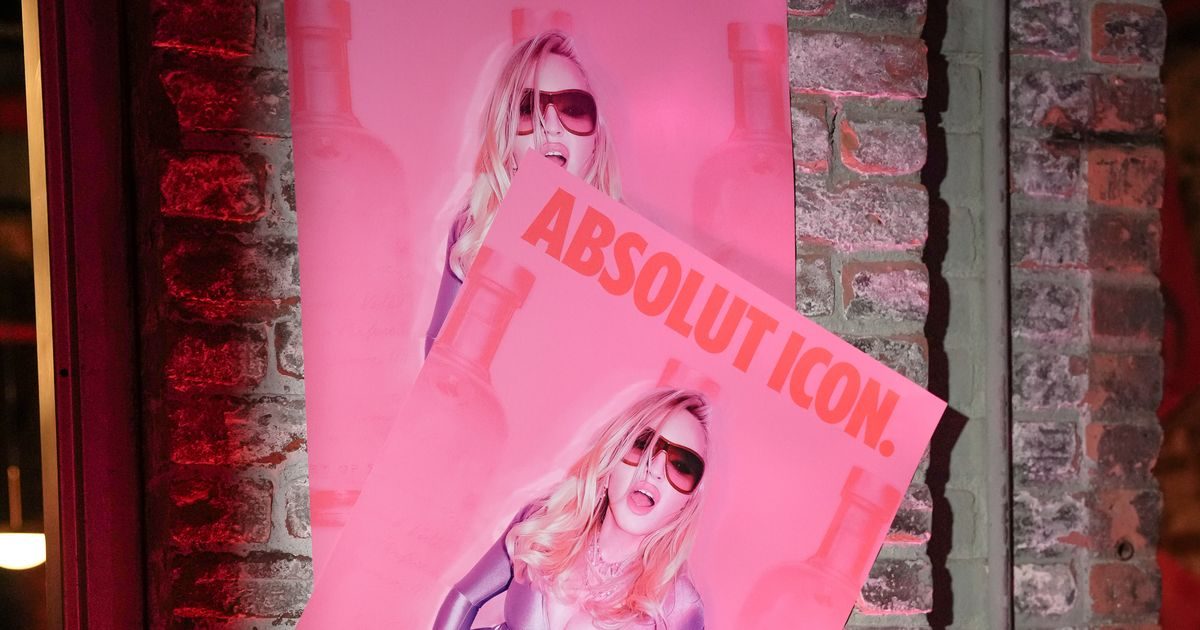
The centrepiece of this strategy is "Club Confessions," a series of pop-up DJ sets that have opened in Los Angeles, London, and New York. This approach leverages extreme scarcity to drive consumer demand. The New York event at the Knockdown Center on July 11 distributed just 2,500 tickets, often mere hours before the doors opened, with no public instructions on how to gain entry.
The resulting frenzy illustrates how limited availability can amplify a product's perceived value in the modern experience economy. Attendees traded stories about securing access through their connections to corporate sponsors, turning the promotional event itself into a sought-after status symbol.
Brand partnerships drive the model
This experiential marketing model is funded through targeted brand partnerships. Madonna has aligned with Absolut, Mistr, and Grindr, a selection that strategically focuses resources on engaging her queer fanbase rather than pursuing mass-market traditional media buys.
By appearing alongside collaborators like Stuart Price and Honey Dijon at these intimate venues, Madonna effectively bypasses traditional media gatekeepers. She has transformed album promotion from a press cycle into a coveted nightlife commodity.
The strategy proves that direct-to-consumer experiential marketing can still dominate public discourse and drive chart-topping sales. Even in a fragmented digital media landscape, controlling the physical space, and tightly restricting access to it, remains a highly effective tool for commanding consumer attention and monetising cultural legacy.