Cultural outings linked to three-year slower physical aging
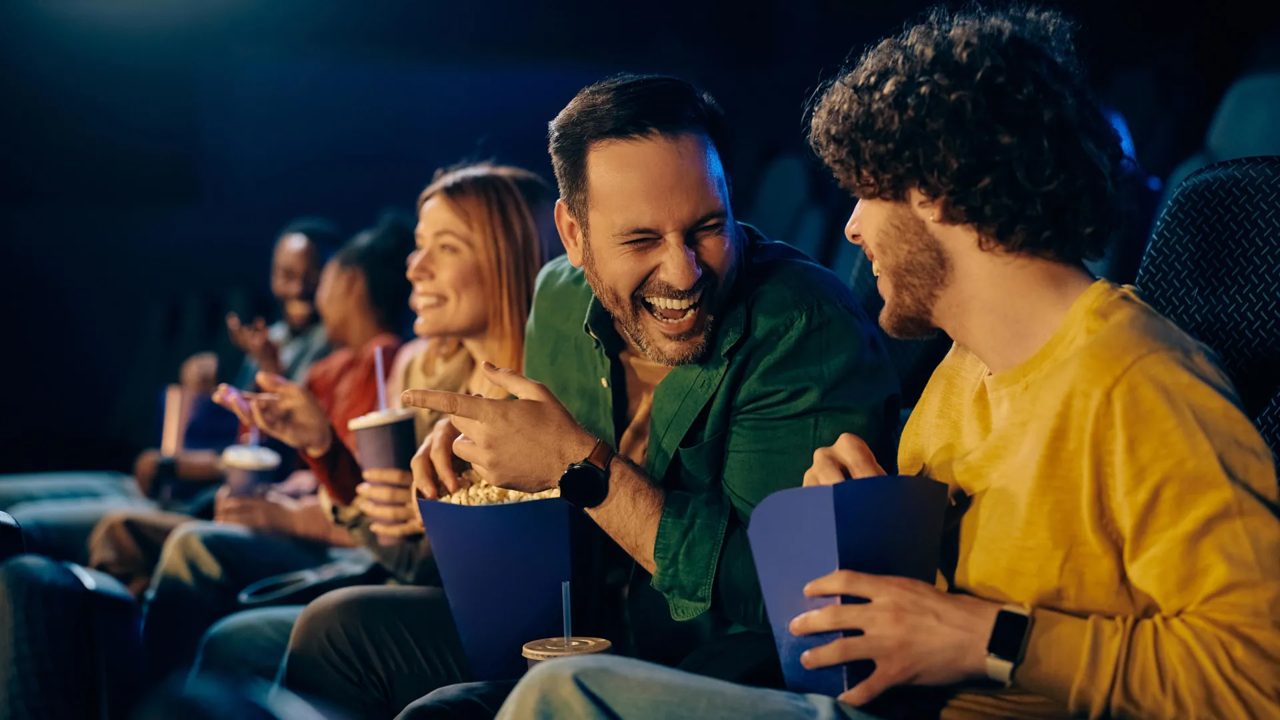
Older adults who frequently visit museums, cinemas, and theaters have bodies that function like those of people three years younger, suggesting cultural access could become a cost-effective tool for European public health systems facing aging populations.
A new study published on July 15, 2026, finds that older adults who frequently visit museums, cinemas, and theaters have bodies that function like those of people three years younger. The research, published in the Journal of Epidemiology and Community Health, suggests cultural engagement could play a measurable role in slowing physiological aging.
Researchers from the Institute of Science Tokyo analyzed data from 1,899 adults aged 50 and older participating in the English Longitudinal Study of Ageing. Rather than relying solely on chronological age, the team calculated physiological age using 10 physical health indicators. These included pulse pressure, lung function, grip strength, walking speed, and cholesterol levels.
Participants reported their attendance at cinemas, museums, and live performances like theater or opera. Those with higher cultural engagement, defined as attending events at least every few months, had an average physiological age of 66.9 years. Those with lower participation averaged 69.9 years. Even after adjusting for socioeconomic factors like household income, employment status, and chronic health conditions, each one-point increase in a cultural engagement score was associated with a 31-day reduction in physiological age.
For European governments and healthcare systems, these findings carry distinct economic implications. Europe's rapidly aging demographic places immense strain on public health budgets, pension systems, and workforce participation rates. If cultural access demonstrably preserves physical function, subsidizing museum entries or theater tickets could represent a highly cost-effective preventive health strategy.
The study's authors explicitly positioned their findings within a public health framework. "Notably, the impact can be comparable to frequent physical activity," they wrote. Drawing a parallel between cultural outings and exercise recasts the leisure and arts sectors as components of a broader health infrastructure, potentially reshaping how local governments justify cultural funding.
The researchers caution that the study is observational, meaning reverse causation cannot be ruled out: healthier people may simply be more able to leave their homes to attend events. Furthermore, the data was collected between 2004 and 2009, raising questions about its application to today's highly digital entertainment landscape.
Despite these limitations, the authors argue that cultural engagement remains a modifiable behavior. They recommend that policymakers focus on making cultural events more geographically and financially accessible. If further research confirms these links, integrating cultural access into public health policy could become a practical tool to mitigate the economic costs of Europe's aging population.