Tuchel takes blame as Argentina’s late surge denies England final

Thomas Tuchel admitted his ultra-defensive substitutions backfired as Argentina scored twice late on to reach the World Cup final, exposing a recurring English failure to hold leads under pressure.
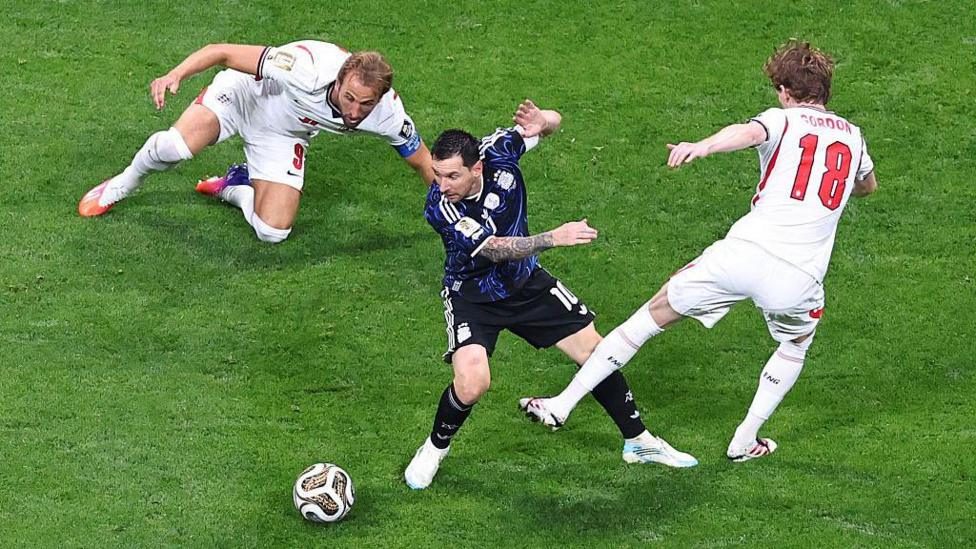
England’s World Cup campaign ended in dramatic fashion as Argentina overturned a second-half deficit to win 2-1 and secure a place in Sunday’s final against Spain. Anthony Gordon’s early second-half goal put England on the brink of a first-ever men’s World Cup final on foreign soil. But Enzo Fernández’s equaliser and Lautaro Martínez’s stoppage-time winner completed a stunning late comeback.
The collapse was defined by a stark shift in risk appetite from the England bench. With three minutes remaining before Fernández’s strike, Tuchel withdrew Declan Rice and Reece James to deploy a back five. England managed just 12% possession between taking the lead and conceding the winner.
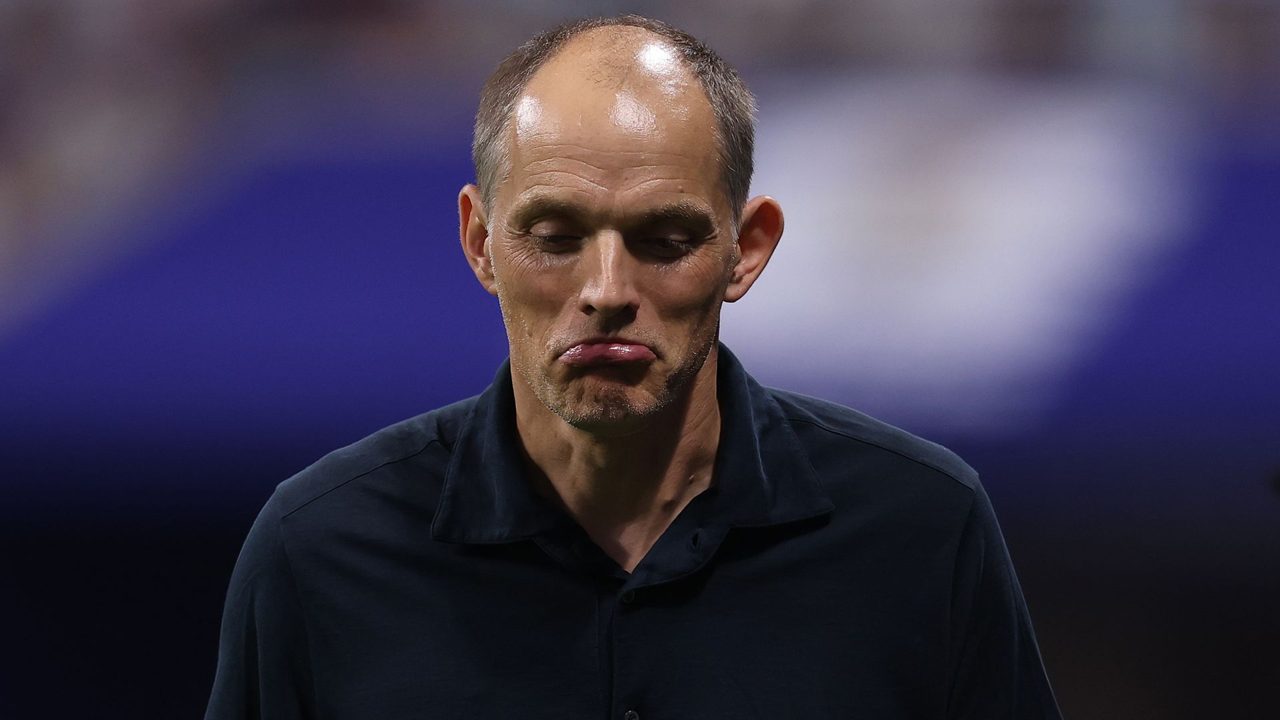
Tuchel assumed full responsibility for the tactical retreat, describing a psychological shift where his side became paralysed by the prospect of losing. “Argentina played with more risk, played with more rhythm and played with the feeling maybe that they had nothing to lose any more, which freed them up and pulled us back,” Tuchel said. “Because we obviously played suddenly with a feeling that we had a lot to lose.”
A familiar public psychology
For a European public accustomed to watching their national teams squander advantages, the pattern of risk aversion is a familiar frustration. Tuchel rejected the idea of an inherent English curse, instead pointing to a structural failure to remain proactive. Captain Harry Kane echoed the diagnosis, noting that attempting to protect a narrow margin at the highest level is ultimately unsustainable. “Once we went 1-0 up we just seemed to try to hold on which, at this level, is not enough,” Kane told the BBC.
Diplomatic flashpoint
The final whistle brought contrasting emotions and an immediate post-match diplomatic incident. Lisandro Martínez celebrated on the pitch with a banner reading “Las Malvinas son Argentinas”, a highly charged reference to the Falklands war that will test Anglo-Argentine relations off the pitch. Separately, Jude Bellingham had to be physically restrained by reserve goalkeepers Dean Henderson and James Trafford after appearing to strike Argentina substitute Valentín Barco on the back of the head. Bellingham was not punished by the match officials.
Argentina’s triumph reinforced their reputation for resilience, having previously come from 2-0 down against Egypt in the last 16. Head coach Lionel Scaloni attributed the victory to his squad’s ability to thrive under pressure. “This team plays best when they are facing adversity,” Scaloni said. “There was blood in the water and we went for it.”