Heatwave forces Swedish rail speed cuts, track fires
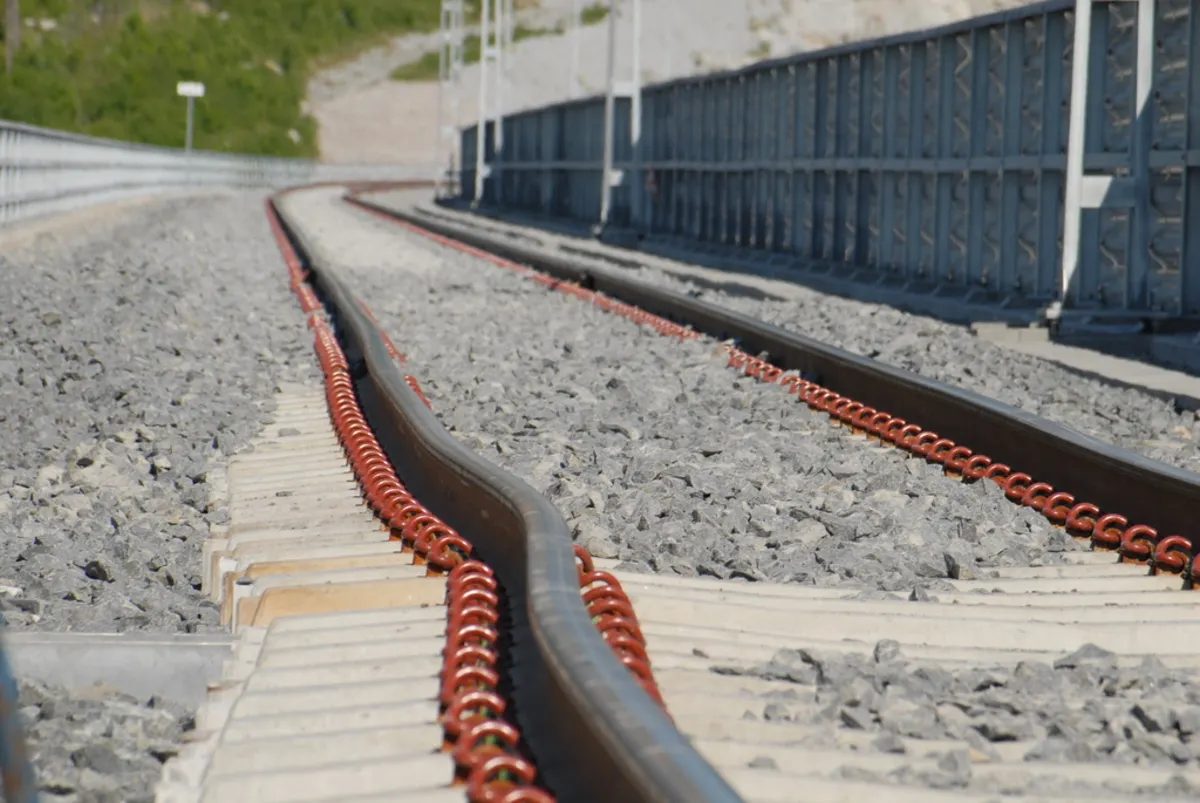
A Swedish heatwave is bending railway tracks and softening roads, forcing speed restrictions and service cancellations that highlight the mounting infrastructural costs of climate change for European transport networks.
Temperatures reaching 30 degrees Celsius have triggered speed restrictions and brief suspensions on Sweden's rail network, as extreme heat causes tracks to bend and sparks track-side fires. The Swedish Transport Administration has reduced speeds across the system to prevent derailments from "sun curves," a phenomenon where direct heat warps the steel rails. While the administration has not permanently closed any lines, press communicator Peter Jonsson noted that rail operators are independently choosing to cancel services as a direct consequence of the slower mandated speeds.
On Wednesday, the disruption peaked when traffic on the important western main line had to be temporarily suspended due to a fire in the track area near Hallsberg. The administration warned that the risk of tracks warping is currently most acute on smaller, less robust lines. Road infrastructure is simultaneously degrading under the strain, with authorities in Västernorrland reporting fresh incidents of bleeding asphalt, a condition where the binding agent holding the road surface together softens and expands.
Managing this crisis requires a different logistical approach than typical Nordic weather emergencies. "The challenge is that we cannot know exactly where things will happen. It's not like windy weather over the west coast that moves in. Then you know where it will happen," Jonsson explained. Because heat damage occurs unpredictably across large areas, the administration must maintain high emergency preparedness across all regions simultaneously.
For freight and passenger rail companies operating in the region, these disruptions translate directly into delayed shipments, reduced schedule reliability and cancelled contracts. The necessity to pre-emptively slow trains to prevent catastrophic track damage represents a growing, often unaccounted-for operational cost that directly impacts corporate margins. As extreme heat events become a regular feature of European summers, investors in continental transport networks face mounting capital expenditure demands to physically upgrade tracks and road surfaces to withstand higher thermal stresses.
Scientists have warned that recurring heatwaves are a clear marker of global warming primarily caused by the burning of coal, oil and gas, noting they are set to become more frequent, longer and more intense. Sweden's current infrastructure strain reflects a broader continental vulnerability. Relief for Swedish travellers and logistics firms is expected this weekend, with forecasts predicting significantly cooler weather, along with rain and wind in the southern parts of the country.