Oil war fuels Europe's best quarter since 2022, not AI
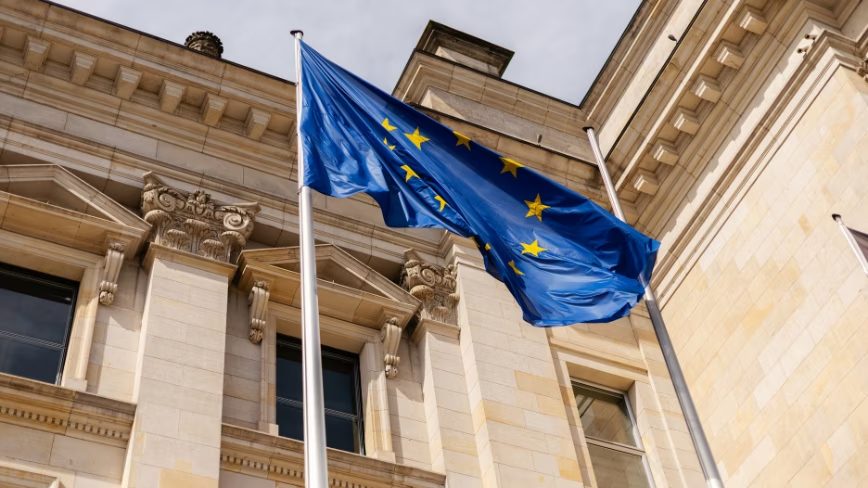
A forecast 15.3% leap in STOXX 600 profits is driven by a crude price spike, exposing the continent's chronic shortfall in AI-driven growth.
STOXX 600 constituents are on track to post a 15.3% year-on-year profit increase in the second quarter, totalling €156.8bn. According to LSEG I/B/E/S data, this would mark the strongest earnings season since the final quarter of 2022. Analysts have revised this figure upward steadily since October.
The headline figure masks an uncomfortable structural truth. Remove the energy sector, and European profit growth falls to just 6%. By comparison, the S&P 500 is tracking 19.6% growth excluding energy on the same methodology.
The divergence is entirely geopolitical. Brent crude averaged $103.28 in the second quarter, a 52% jump from a year earlier, driven by the US-Iran-Israel war. Energy sector earnings are forecast to leap 112.4%, easily the strongest of any STOXX 600 sector. Healthcare, by contrast, is forecast to contract by 2.4%.
Those quarterly averages obscure a deteriorating price trend. Brent peaked at $124.24 in late April before sliding to $68.53 in early July. Despite a mid-June ceasefire memorandum, recent US strikes on Iranian targets and a reinstated naval blockade have pushed crude back above $80.
Third-quarter guidance will be judged on this lower exit rate, not the inflated Q2 average. Anyone modelling a peace dividend into European energy earnings is modelling something that has not happened. The broader European economy remains similarly constrained outside the oil sector.
ASML remains the continent's lone standalone AI earnings story. The Dutch firm posted Q2 net sales of €9.33bn and net income of €2.92bn, lifting full-year guidance to as much as €45bn. “Ongoing AI-related investments and continued progress in AI technologies are driving demand for advanced Logic and Memory chips,” chief executive Christophe Fouquet said.
Yet ASML's capacity expansion cannot close the gap for the wider index. Consumer sectors are managing modest growth while autos battle weak Chinese demand and high domestic energy costs. Crucially, AI capital arriving in Europe is largely debt raised by American firms.
Some analysts expect this dynamic to shift. Goldman Sachs’s Peter Oppenheimer argued on 2 July that AI infrastructure spending “does not stay bottled up inside five US megacaps” and will eventually lift broader earnings. The next fortnight of reporting will test whether that trickle-down has begun.