Europe's solar fleet saves €20bn in gas during Iran conflict
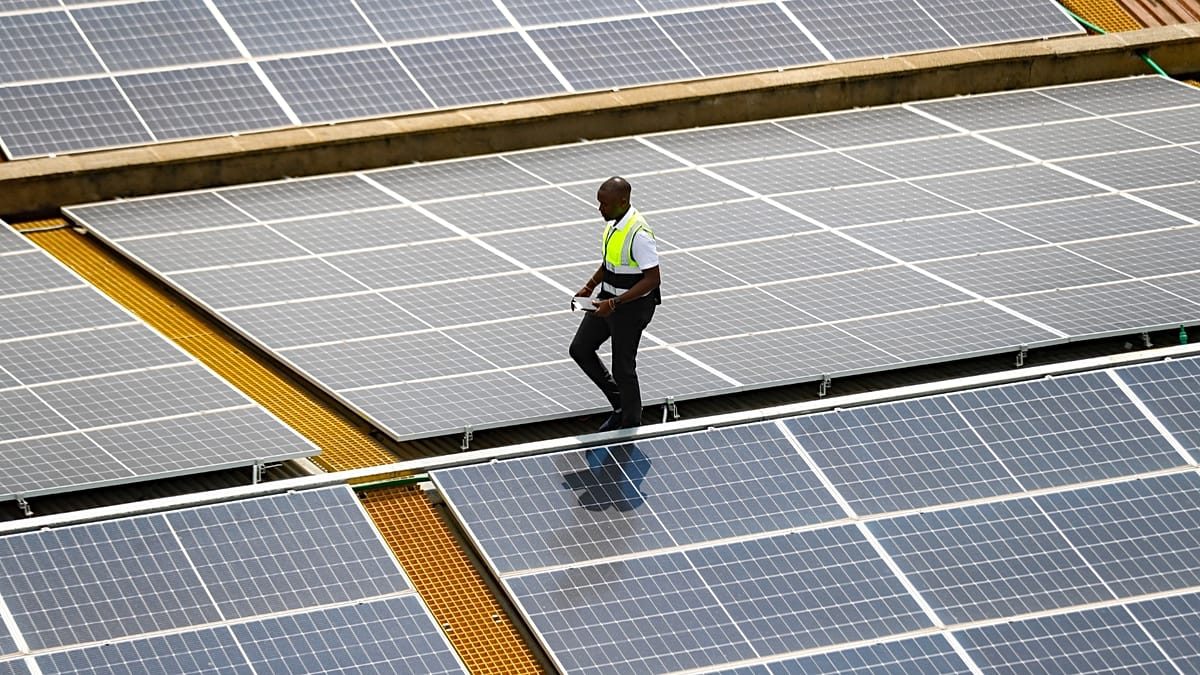
A rapid expansion of solar power has saved Europe €20 billion in avoided gas imports since the Iran war began, proving renewables now act as a direct financial shield against fossil fuel shocks.
Europe's solar installations have saved the continent €20 billion in gas imports between 1 March and 15 July, according to new analysis by SolarPower Europe. The 137-day period saw average daily savings of €146 million, a figure that exceeds France's daily defence spending. This financial buffer has arrived exactly as the conflict in Iran pushed energy costs sharply higher.
The war has severely disrupted global energy markets, with the Strait of Hormuz, a vital passage for one-fifth of global oil supplies, keeping prices volatile. Brent crude traded at $85 (€74) per barrel on 15 July, a €10.47 increase since the eve of the conflict in late February. The Dutch TTF natural gas benchmark has similarly surged by roughly €20 per megawatt-hour since fighting began.
These savings highlight a structural shift in European power markets. Wholesale electricity prices are traditionally set by the most expensive generator required to meet demand, which is typically a gas plant. As cheaper wind and solar capacity grows, it pushes these expensive fossil plants out of the mix, directly decoupling electricity costs from volatile international gas prices.
Spain offers the clearest example of this dynamic. The country has added more than 40 gigawatts of wind and solar capacity since 2019, effectively doubling its fleet. According to energy think tank Ember, this expansion reduced the influence of expensive fossil generators on Spanish electricity prices by 75 per cent over that period, a faster decoupling than seen in gas-reliant neighbours like Italy or Germany.
Wind power is producing similar results across the continent. On 26 March, British wind generation hit a record 23,880 megawatts, enough to supply 23 million homes. Low-cost wind and solar squeezed gas down to just 2.3 per cent of Britain’s electricity mix that day, its lowest level in nearly two years. "That’s what the energy transition looks like in practice," says RenewableUK’s Tara Singh.
The impact of this build-out is now visible at a macro level. In 2025, wind and solar generated more EU electricity than fossil fuels for the first time, accounting for a record 30 per cent of the bloc's power. In June alone, solar became the EU's largest single source of electricity, providing 25 per cent of the total.
"Every megawatt-hour generated by solar power reduces our dependence on imported fossil fuels and makes Europe safer," says Walburga Hemetsberger, CEO of SolarPower Europe. She argues that combining this generation with electrification and battery storage is the route to long-term energy security.