France passes assisted dying law, awaits Constitutional Council ruling
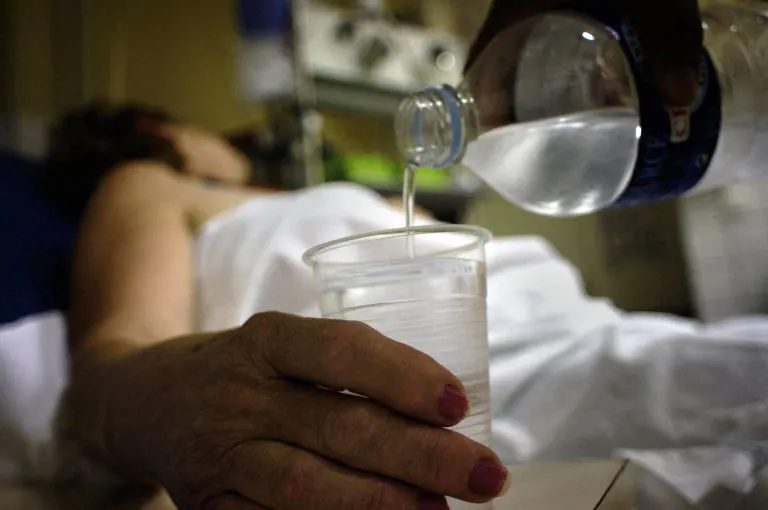
France has ended its outright ban on assisted dying, though the restrictive new rules face a final legal hurdle before reshaping end-of-life care.
France’s Assemblée nationale passed a law legalising assisted dying on Wednesday, ending the country's outright ban on the practice. The legislation followed almost two years of debate spurred by a citizens' convention, a process repeatedly stalled by collapsing governments.
While the law marks a significant shift in French public life, it remains highly restrictive compared to neighbours like Belgium and the Netherlands. It limits the procedure to a narrow group of patients, avoiding the broader access seen in Canada.
The bill faced strong opposition in the Senate, which attempted to block or amend the text. Because the Assemblée holds the final say in a legislative showdown, the lower chamber's version ultimately prevailed.
The legislation is not yet in force. Prime Minister Sébastien Lecornu has referred disputed points, such as the legally mandated delay between a patient's initial request and a doctor's assessment, to the Conseil Constitutionnel. The "sages" will review the text in August and can amend details or strike it down entirely.
If approved, the law could theoretically apply from September, introducing new clinical protocols for France's healthcare sector. In practice, implementation will take longer as the government must publish decrees and communicate the requirements to health professionals across the country.
Under the proposed rules, only adults over 18 capable of expressing themselves in a "free and informed" manner can qualify. Patients must suffer from physical pain that is unresponsive to treatment and unbearable in their own view, which includes those who have stopped or refused care. The Council will also decide whether adults under legal guardianship can access the procedure.
The process requires an initial request to a doctor, followed by a "cooling off period" currently debated at anywhere from two days to more than 15 days. A doctor then assesses the patient before an independent panel makes the final decision. In most cases, patients will self-administer the lethal substance at home or in a healthcare setting, though workers can assist those physically unable to do so.