Ukraine taps Naftogaz chief for PM as defence shakeup spurs protests
Ukraine's parliament appointed energy executive Sergii Koretskyi as prime minister to steer the country through a difficult winter, while the sudden ouster of the defence minister sparked public protests.
Ukraine’s parliament voted on Thursday to appoint Sergii Koretskyi, the head of state energy company Naftogaz, as the country’s new prime minister. He replaces Yulia Svyrydenko, who resigned earlier this week. President Volodymyr Zelenskyy said Koretskyi was chosen to lead the government's priority of preparing the country for another difficult winter.
Placing the Naftogaz chief at the head of government signals a stark pivot toward energy security. For European partners and energy markets, this move underscores the ongoing vulnerability of Ukraine's power grid and the broader regional implications of winter energy shortages. Koretskyi’s intimate knowledge of the energy sector will be critical as Ukraine attempts to keep heating and power running amid sustained Russian attacks on critical infrastructure.
The parliamentary vote was part of a wider government reshuffle, the second in a year, that includes the dismissal of Defence Minister Mykhailo Fedorov. Although Zelenskyy has not formally confirmed the move, Ukrainian lawmakers indicated that Interior Minister Ihor Klymenko is set to take over the defence portfolio. Fedorov confirmed his departure on Wednesday after just six months in the role.
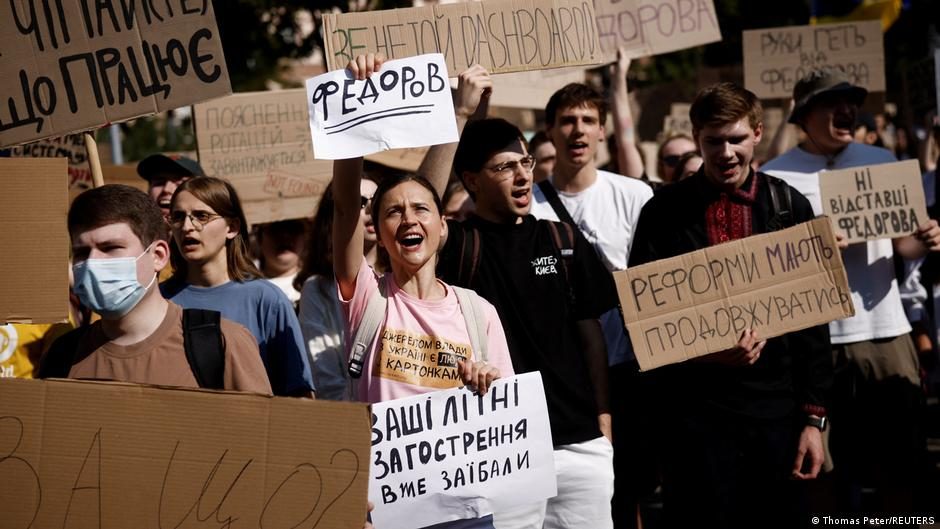
Fedorov's ouster immediately triggered unrest, with hundreds of protesters rallying in Kyiv on Thursday morning. He was widely credited with modernizing battlefield technology, boosting drone warfare, and cutting military bureaucracy to exhaust Russian forces. His sudden removal raises pressing questions for European allies about the future trajectory of Ukraine's highly effective, data-driven military strategy.
The protests highlight the fragile limits of public patience with Zelenskyy's wartime leadership, despite positive recent opinion polls. Last July, the president reversed a controversial decision to strip anti-corruption agencies of their independence following mass street demonstrations. This historical precedent suggests he could adjust course again if the current backlash over Fedorov continues to grow.
The domestic political shakeup unfolded alongside continued military operations. Kyiv reported striking six Russian tankers in the Black Sea and the Sea of Azov. Separately, UK Prime Minister Keir Starmer arrived in the capital on Thursday, a visit likely aimed at taking the measure of Ukraine's newly formed wartime government.