Leaked Suno code proves mass scraping of Deezer, YouTube tracks
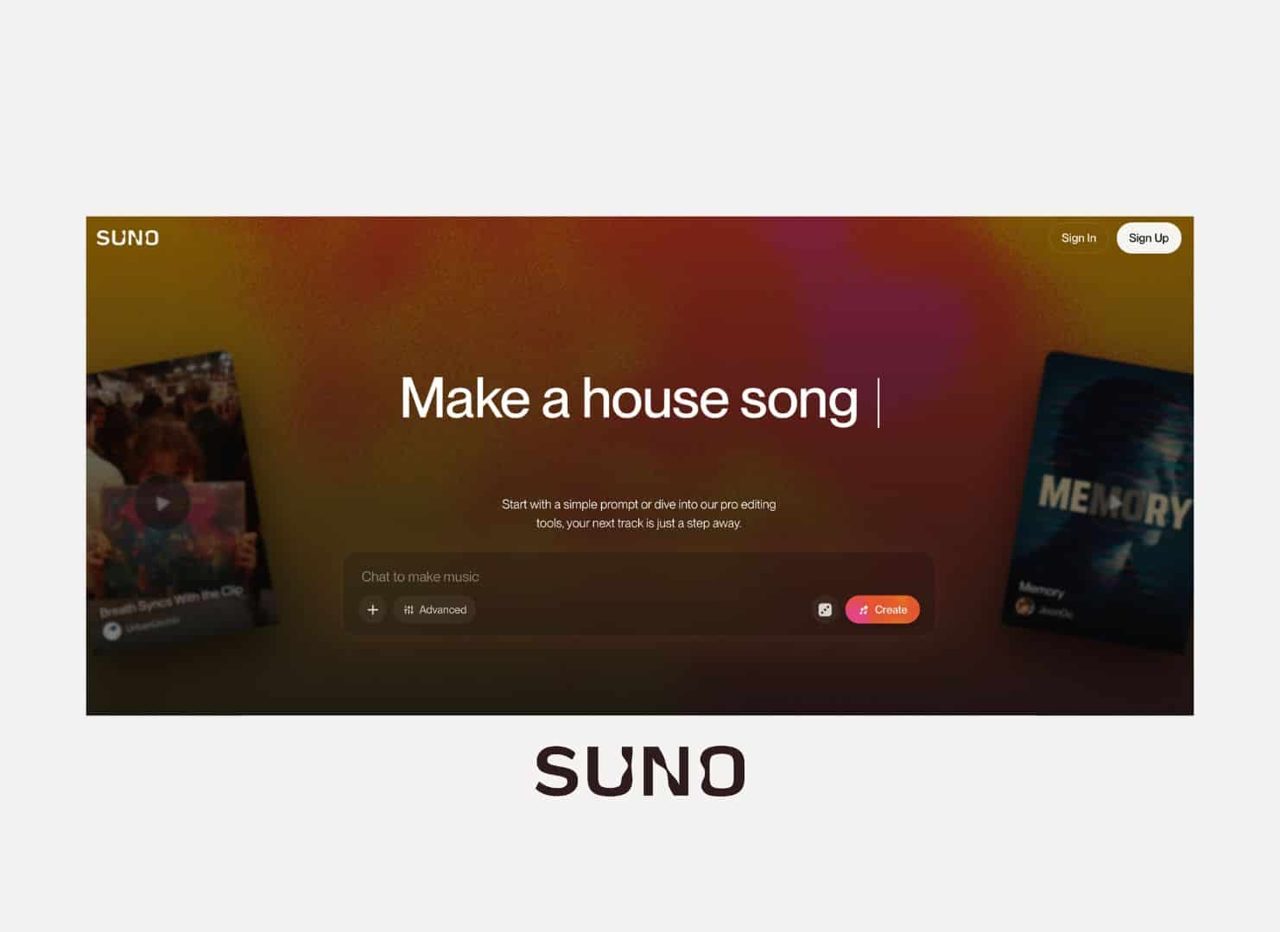
Hacked source code confirms AI music firm Suno systematically scraped millions of tracks from European streaming service Deezer and others to train its model, exposing a regulatory vacuum as AI-generated floods squeeze human artists.
Hacked internal source code from AI music generator Suno confirms the company scraped millions of songs directly from YouTube Music, Deezer, and Genius, alongside paid stock library Pond5. The files, shared by a hacker and dating from 2023 and 2024, contain specific scraping scripts and dataset volumes that turn previous industry allegations into documented fact.
The revelation places European streaming service Deezer directly among the victims of unlicensed data extraction. The code indicates Suno ingested over 100,000 hours of YouTube Music alone. This provides concrete, internal evidence for a 2024 lawsuit filed by the Recording Industry Association of America, which had accused the startup of illegal stream-ripping.
While Suno had previously acknowledged in separate legal proceedings that it trained on "essentially all music files of reasonable quality accessible on the open internet," the breach reveals the exact platforms and the massive scale involved.
The inclusion of Pond5, a commercial stock library owned by Shutterstock, highlights a distinct threat to the licensed media market. Independent producers who legally uploaded their work for commercial licensing had that same music scraped without consent or compensation. This follows separate investigations revealing that over 21 million tracks from established artists were used to train AI models without permission.
This unlicensed foundation is now actively distorting the digital music economy. AI-generated content currently contributes to the 120,000 tracks entering streaming platforms daily. This volume drastically compresses the visibility window for every human release, meaning Suno effectively built its model on the work of the exact artists it now displaces in algorithmic feeds.
Suno confirmed a November 2025 security incident but dismissed the leaked code as outdated and claimed no customer notification was legally required. The company continues to argue that training on copyrighted material constitutes fair use. That legal posture sits uncomfortably alongside comments from Suno CEO Mikey Shulman, who said last year that "the majority of people do not enjoy the majority of the time they spend making music."
Ultimately, the disclosed data exposes a stark regulatory vacuum. Despite ongoing litigation, a previously settled lawsuit, confirmed scraping of licensed platforms, and a data breach, Suno continues to operate freely without regulatory intervention.