Musk backs Le Pen, sparking French interference warnings
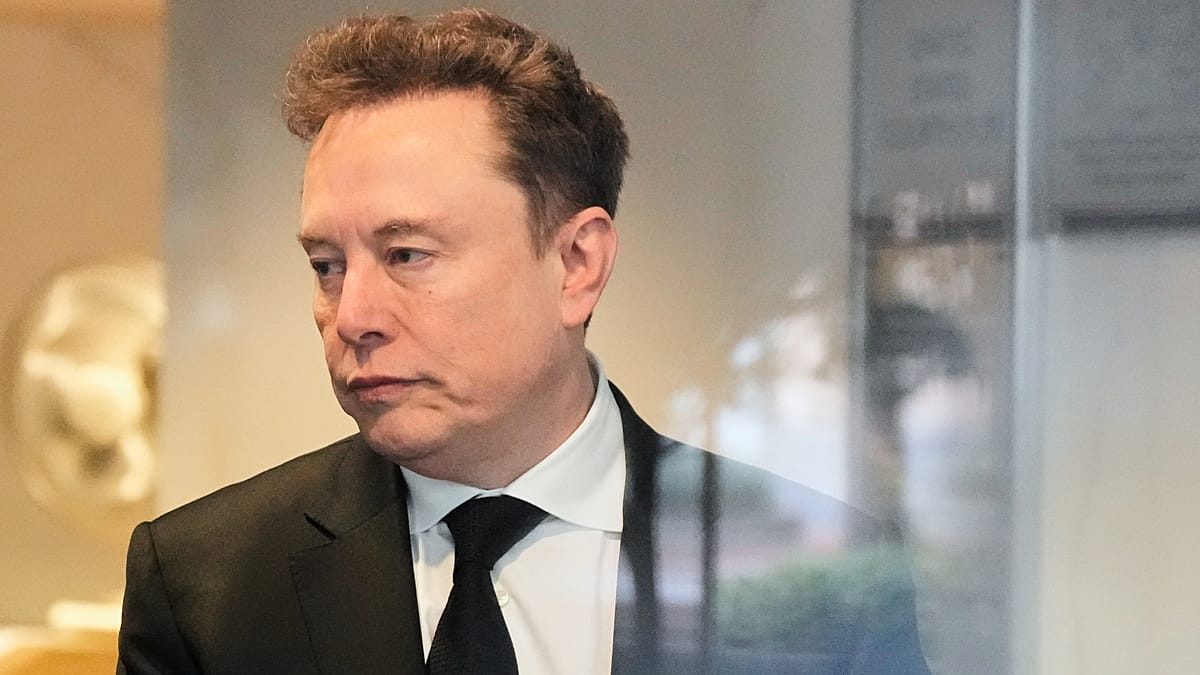
Elon Musk's public endorsement of Marine Le Pen for the 2027 French presidency has triggered accusations of foreign interference and raised fresh concerns over the regulatory oversight of social media algorithms in European elections.
Elon Musk has publicly endorsed Marine Le Pen for the 2027 French presidential election, declaring her "France's last hope" in a post on X on Wednesday. The tech billionaire's intervention came in response to a claim that voting intentions for the National Rally leader had recently surged. It marks his second explicit show of support for Le Pen this year.
Le Pen remains eligible to run despite a July 7 appeal ruling that sentenced her to three years in prison, two suspended, and a 45-month ban from elected office, with 30 months suspended. In April, when she initially received a five-year ineligibility sentence for misusing European Parliament funds, Musk urged her to overcome what he called "persecution."
The endorsement has intensified scrutiny on how US tech platforms influence European public life. French officials and lawmakers warned that Musk's public backing risks crossing the line from opinion into electoral interference. The focus is shifting to whether X's algorithm might artificially amplify pro-Le Pen content ahead of the vote.
A pattern of European interventions
Musk has established a clear pattern of intervening in European political campaigns, consistently aligning with nationalist or populist movements. In December 2024, he argued in a German newspaper that the Alternative for Germany (AfD) was the only party capable of "saving Germany." He also dismissed the judges who annulled the first round of Romania's presidential election as "dictators."
In the UK, Musk's political activities have drawn similar criticism. He posed for a photograph with Nigel Farage and Reform UK's treasurer before discussions emerged about a potential donation. According to the Financial Times, Musk has also used his platform to elevate far-right British activists like Tommy Robinson and Ashlea Simon.
Calls for regulatory action
French political figures demanded immediate regulatory attention to the platform's operations. Thierry Breton, the former European Commissioner, noted that while Musk has the right to back a candidate, authorities must ensure X's algorithm does not favour any particular political faction. "The rule of law applies to everyone, without exception," Breton wrote.
Foreign Affairs Minister Jean-Noël Barrot mocked the intervention, writing: "Like we say in French: Only fools never change their minds." Meanwhile, Antoine Léaument, a left-wing MP, called on Arcom, France's digital communications regulator, to act. Léaument cited his own parliamentary report, which identified algorithmic manipulation as a major electoral risk.
For investors and companies operating in Europe, Musk's political forays carry tangible risks. Nathalie Loiseau, a Renew Europe MEP, framed the tech executive as a figure who "flouts European laws" while backing extremist parties. As Brussels enforces strict digital regulations like the Digital Services Act, the friction between Musk's platform and European institutions is likely to escalate, creating regulatory uncertainty for the broader tech sector.