Wikipedia and social media weaponised against French World Cup referee
François Letexier became the target of a coordinated online misinformation campaign following Egypt's World Cup exit, highlighting the continued vulnerability of public platforms to fabricated manipulation.
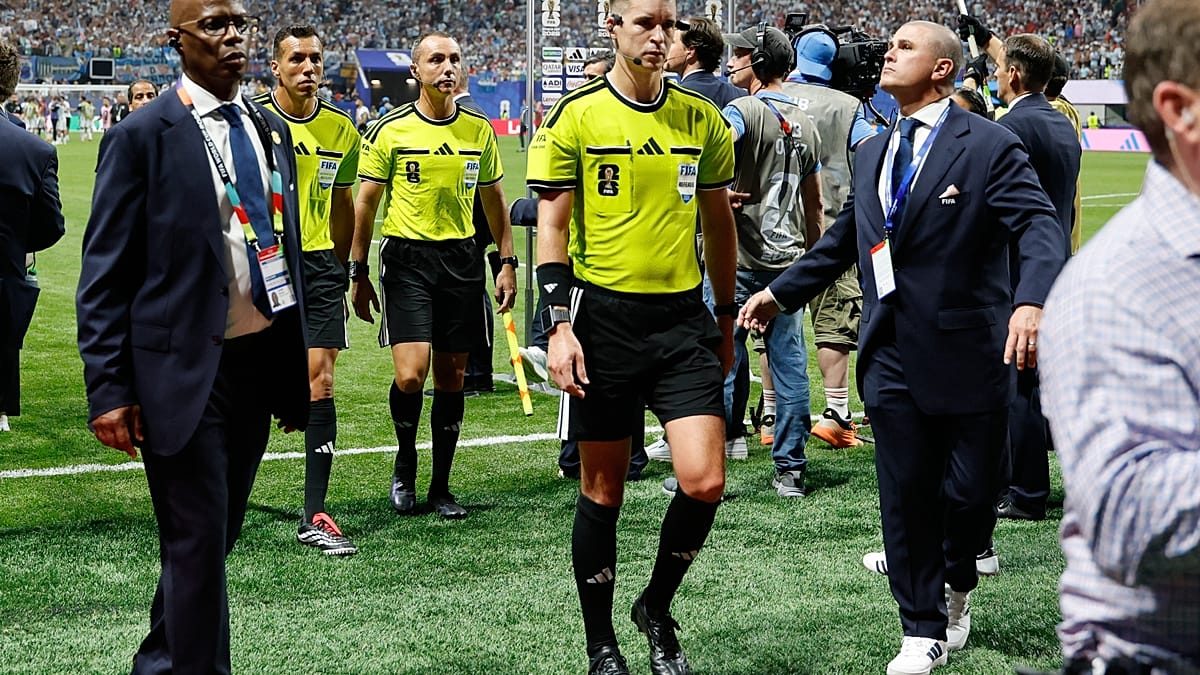
François Letexier is facing a wave of baseless online allegations following Argentina's 3-2 victory over Egypt on 7 July. The French referee's Wikipedia page was temporarily altered to falsely claim he was born into an Orthodox Jewish family and had been paid by Argentina and FIFA to fix the match.
Screenshots of these fabricated Wikipedia entries were captured before the false claims were deleted, allowing them to spread rapidly across X and TikTok in French, Spanish, and English. This tactic exploits the perceived credibility of open-source platforms to manufacture evidence, a growing concern for European regulators overseeing digital spaces.
The doctored Wikipedia entry cited a Le Point article about Letexier's career that contained no mention of his religion or ethnicity. Separately, a viral post viewed more than two million times claimed French authorities discovered a mysterious $500,000 payment in his bank account before the match. No source was provided, and no such investigation was announced by FIFA, French authorities, or any established news organisation.
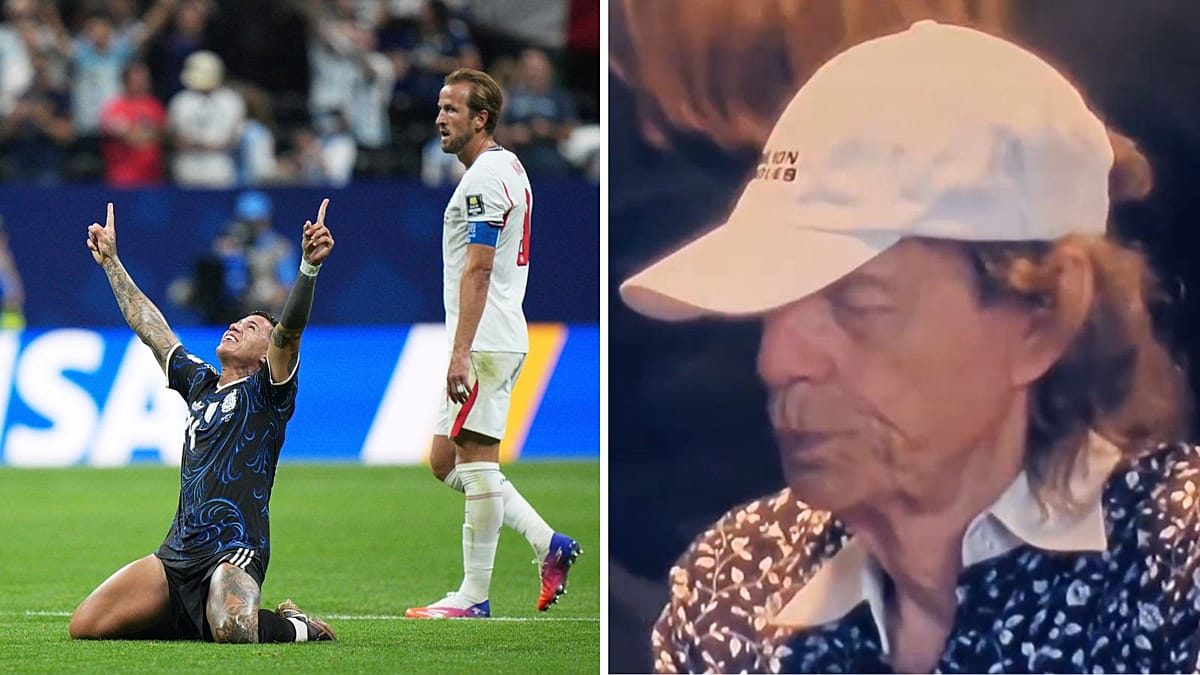
The online abuse stems from genuine controversy surrounding the match, where Egypt initially led by two goals before Argentina's comeback. The Egyptian Football Association filed a formal complaint with FIFA over "serious refereeing mistakes". Points of contention included a disallowed Egyptian goal after VAR penalised midfielder Marwan Attia for stepping on Lisandro Martinez's foot, and a perceived foul on Mohamed Salah in the penalty area just before Argentina took a 3-2 lead.
Criticism of those decisions quickly escalated into broader conspiracy theories that the match was rigged. Some users falsely linked the referee's fabricated background to Israel, claiming it showed foreign influence over the outcome. Others pushed the narrative that FIFA had manipulated the tournament in Argentina's favour, arguing the governing body does not apply its rules consistently.
Pierluigi Collina, FIFA's head of referees, defended the officials against the bias allegations. "Constructive discussion about decisions will always be part of football, but unfounded allegations have no place in our sport," he said. "Nobody can question the integrity of the FIFA World Cup match officials."
The targeting of a French official fits a wider pattern of tournament-related misinformation, including AI-generated images and fabricated videos with racist overtones. For European public life, the incident underscores how quickly sporting grievances can be weaponised by bad actors using open-edit platforms to inject false, politically charged narratives into the digital public square.