Nokia and Nvidia unveil AI-RAN platform to double mobile capacity
Nokia and Nvidia have built the first commercial AI-powered radio access network, a shift that promises to double mobile data capacity without requiring expensive new spectrum.
Nokia and Nvidia have unveiled the industry’s first commercial AI-RAN, pairing Nokia’s anyRAN software with Nvidia’s Aerial computing platform. The system runs radio access networks on artificial intelligence chips rather than fixed hardware.
The technology addresses a fundamental constraint for European telecom operators. By squeezing more data through the same airwaves, AI-RAN can lift spectral efficiency by more than 100 percent by 2028.
Early tests have already shown gains of over 20 percent, with 50 percent expected by 2027. Because spectrum is scarce and costly, carrying more traffic without buying new frequencies represents a major financial prize for the industry.
A shift in how Nokia sells
Telecom companies would not need to rip out existing networks to adopt the system. They can attach an AI unit to current base stations or run the platform in the cloud.
The deeper change is the underlying business model. Nokia intends to sell these capabilities as software subscriptions instead of pushing costly hardware swaps. Chief executive Justin Hotard told Bloomberg this approach will become the main driver of its RAN business, adding that hardware will not cost "materially" more than today’s.
Investors have responded well to this pivot, pushing Nokia shares up roughly 90 percent this year. The AI-RAN is the first major product to emerge from Nvidia’s $1 billion investment in Nokia last October.
Nvidia's infrastructure play
For Nvidia, the partnership secures a new home for its chips at the edge of the network. Processing data closer to the user reduces lag, which is essential for advancing technologies like self-driving cars.
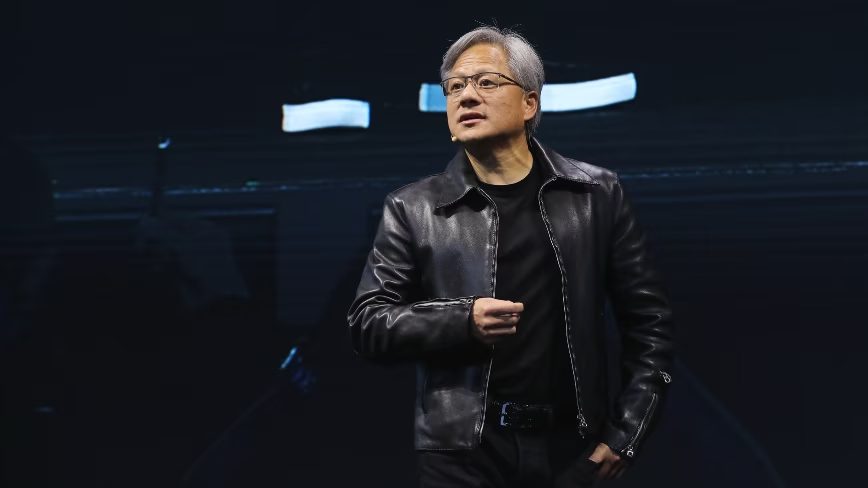
Nvidia chief Jensen Huang called the radio network "the next AI infrastructure." He said the plan is to turn the RAN into "a planet-scale AI computer."
The deal highlights a strategic divergence among European equipment makers. While Nokia embraced data centre integration, rival Ericsson remained a pure mobile-network supplier. Ericsson’s outgoing chief noted: "We selected to be in a different part of the value chain."
Nvidia is nevertheless hedging its bets across the continent. Alongside Nokia, it has also partnered with Ericsson and Deutsche Telekom to build 6G on AI-native equipment. Pilots for the Nokia system start late this year, with a commercial launch planned for 2027.