Arsenal signs Tzolis for £34m, breaking Greek and Belgian records
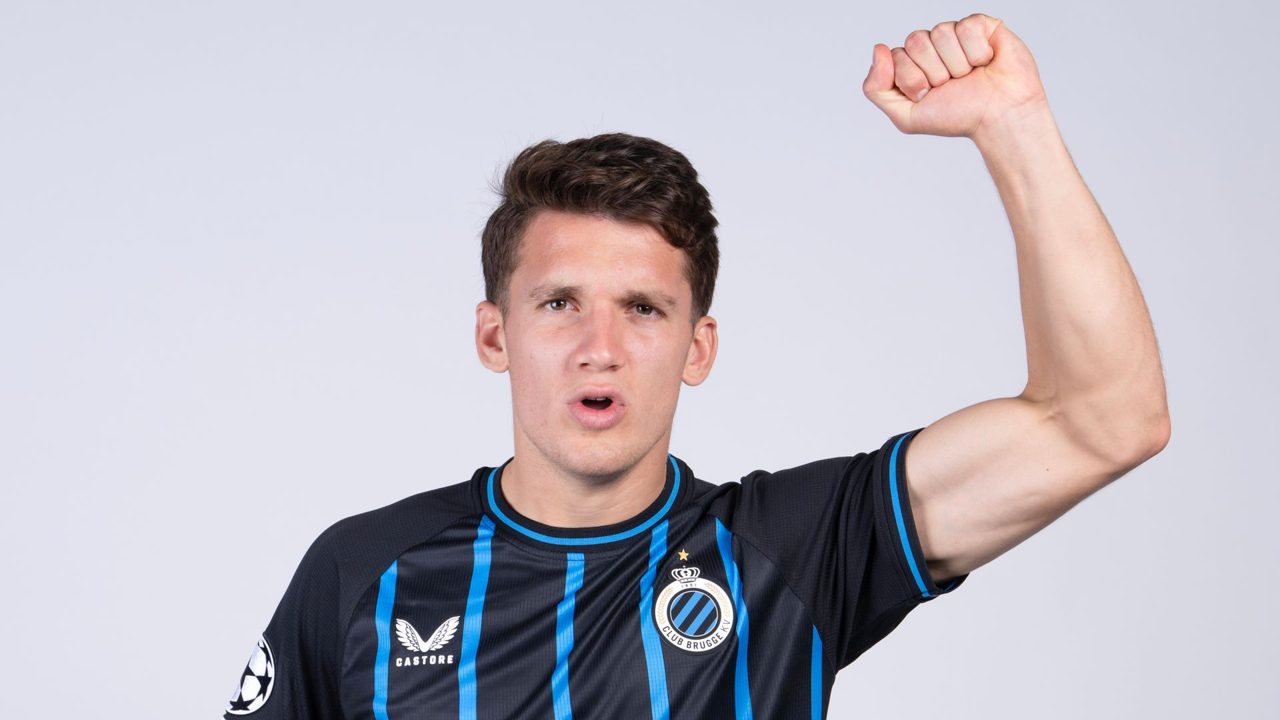
Premier League champions Arsenal are paying Club Brugge £34m for Christos Tzolis, a record fee for both the Belgian Pro League and Greece that underscores the continued financial dominance of English football over mid-tier European markets.
Arsenal has agreed to a £34m transfer for Club Brugge winger Christos Tzolis, the Premier League champions' first outfield signing since lifting the title. The fee makes the 24-year-old the most expensive export in Belgian Pro League history and Greece's costliest player, bringing him back to English football after a failed £10m spell at Norwich City.
The figure represents a significant financial milestone for Belgian football, a league ranked by Opta as the eighth strongest globally, one place below England's second tier. It highlights how Premier League wealth continues to inflate transfer valuations across Europe's secondary markets, allowing clubs like Brugge to command top-tier fees.
Tzolis arrives with remarkable attacking numbers, recording 51 goal contributions in 52 matches last season and scoring at least 20 goals in each of his last three campaigns. However, translating output from Belgium to the Premier League carries distinct economic risk. Arsenal experienced this firsthand with Viktor Gyokeres, whose 39 league goals in Portugal translated to just 14 in his debut English season.
Champions League data offers a more reliable baseline for his valuation. Despite playing for a side averaging just 46 per cent possession, Tzolis ranked among Europe's elite for shots per 90 and ball carries into shooting positions, matching the metrics of players like Paris Saint-Germain's Khvicha Kvaratskhelia.
Tactically, Arsenal is acquiring a direct replacement for Leandro Trossard. "He's able to fulfil different roles. Coming from the left side - giving him this space to start wide and then find the moments to get more inside - that's where he's at his strongest."
His fitness record mirrors Trossard's, having missed a maximum of two matches at Brugge. "He runs a lot of kilometres in the game, but also at high speeds and his sprint distance. Anyone can do that once in a week. He was doing it every three or four days with the Champions League. And his performances stayed stable."
His primary area for improvement is "emotional stability," according to Milkon. "He doesn't like to get kicked. Nobody likes it, obviously. But he doesn't. He's targeted very often. You need to stop him somehow. And the opposition were not able to stop him. But when he gets those kicks or when referee decisions are poor for him, then it might get a little bit difficult for him to stay in the game." Outside of matches, Milkon noted that "outside the pitch, he's just the most amazing guy that you can have in a dressing room."