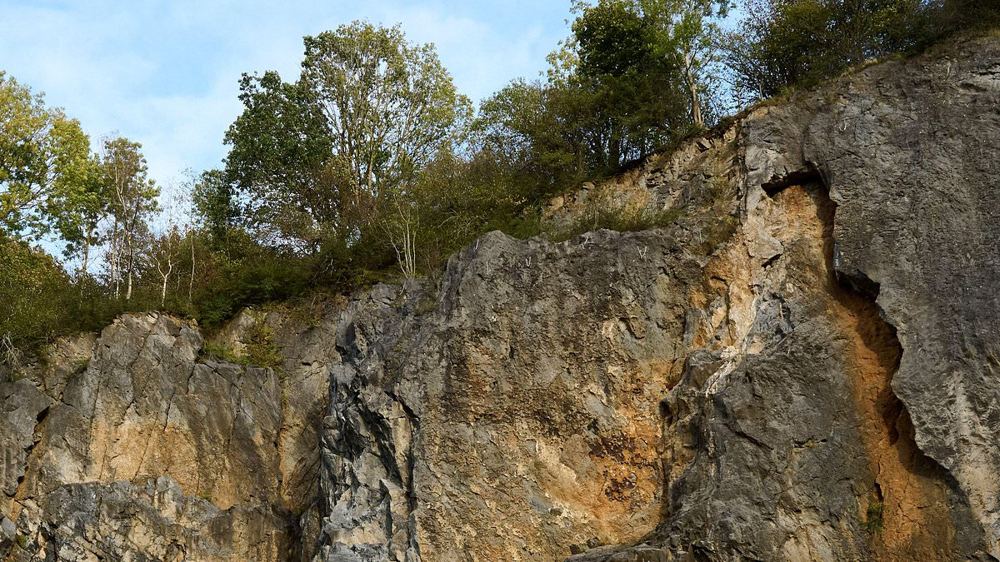
US mountain towns use lodging taxes to fund housing
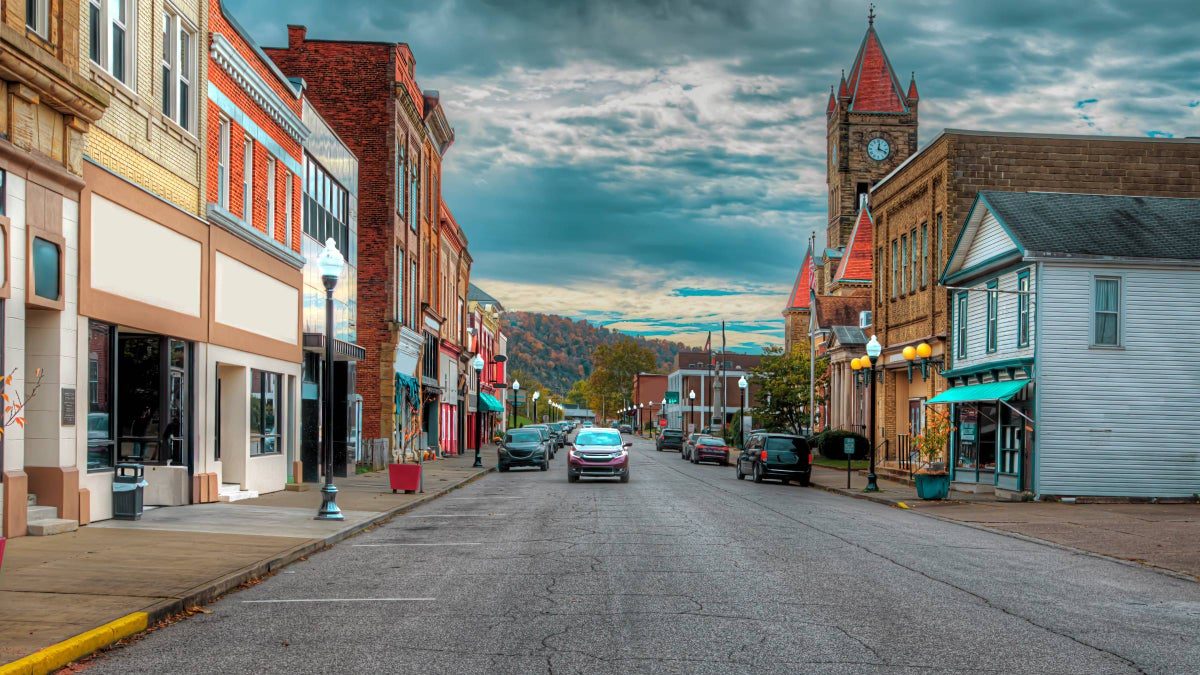
Faced with soaring home prices driven by adventure tourism, US mountain towns are implementing targeted taxes on visitors and short-term rentals to fund affordable housing for local workers.
Faced with soaring real estate prices and overtourism, local governments in US mountain regions are deploying a range of fiscal tools to preserve housing for essential workers. The measures aim to manage the economic friction between a booming outdoor recreation sector and the residents who serve it.
As media coverage drives new residents and tourists to scenic areas, housing costs have surged. This creates a dilemma for local economies: while former industrial hubs like those in West Virginia rely on adventure tourism to replace lost mining and logging jobs, the influx threatens to displace the workforce needed to sustain hospitality and services.
Lawmakers are turning to the tourism economy itself to subsidize housing. In Colorado, a 2022 lodging tax allows counties to fund housing and child care for local workers. Breckenridge is combining those public lodging tax funds with private investment to build nearly 1,000 workforce housing units. Crested Butte has implemented a 2.9% excise tax specifically on short-term rentals to feed an affordable housing fund.
Other municipalities are testing direct financial incentives or broadening the tax base. Big Sky levies a resort tax on luxury goods and services to pay for infrastructure and housing, while also offering cash to property owners who rent to local employees. Leadville provides down payment assistance for locals. Some jurisdictions have bypassed financial incentives entirely, opting instead for caps or outright bans on short-term rentals.
The economic debate is expanding beyond the local level. A bill currently under debate in Florida proposes redirecting 100% of the state’s Tourist Development Tax revenue away from marketing campaigns and toward lowering state property taxes.
While housing remains scarce in most destination towns, some states are actively courting newcomers to stimulate their economies. West Virginia’s Ascend West Virginia program addresses the state's historic "brain drain" by offering remote workers up to $12,000 to relocate to its mountain communities.
These disparate local experiments highlight a broader economic reality. As lifestyle migration reshapes regional economies, municipalities are being forced to rewrite tax policy to ensure tourism revenues actually benefit the communities hosting the visitors.