Sadiq Khan gets peerage, rules out Burnham cabinet role
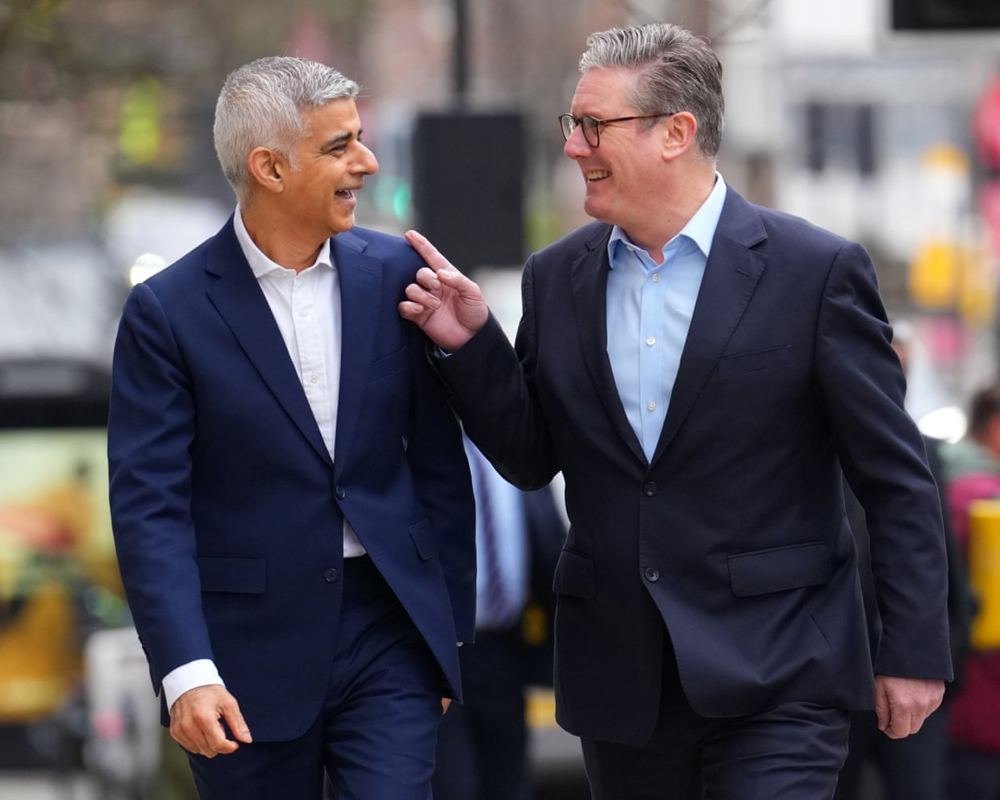
Prime Minister Keir Starmer has appointed London Mayor Sadiq Khan to the House of Lords, ensuring leadership continuity in the capital as the UK prepares for a transition of power to Andy Burnham.
Keir Starmer has made Sadiq Khan a peer, adding the London mayor to a list of 26 new members of the House of Lords. The appointment comes days before the prime minister stands down, handing power to Andy Burnham. Khan has reportedly told the incoming prime minister that he has no wish to serve as a minister in the new government.
For businesses and investors in the UK capital, the move signals leadership continuity. Khan will remain focused on the final two years of his current term and has not yet announced if he will seek a fourth term in 2028. A government source praised Khan, stating: "Sadiq has been a brilliant mayor who has transformed London for the better, so this is thoroughly deserved. He has cut violent crime to record lows, cleaned up the capital’s air, delivered the Elizabeth line, and got London building council homes again."
Starmer’s latest appointments bring his total number of new peers to 66 since taking power two years ago. His supporters argue this is necessary to rebalance a second chamber historically dominated by Conservatives, which has repeatedly attempted to thwart Labour legislation despite the party's majority in the Commons. Overcoming this legislative gridlock could accelerate the government's economic agenda, directly impacting the regulatory environment for businesses.
Downing Street insists the peerages are part of a regular honours list rather than resignation awards. However, the timing is unusual, as such lists typically arrive in the spring or autumn. The move draws scrutiny because Starmer previously criticised predecessors for handing out peerages to allies upon leaving office, though he signalled last week he might abandon his earlier pledge to avoid resignation honours.
The 26 new peers include 16 Labour appointments, five nominated by the Liberal Democrat leader, and three from Conservative leader Kemi Badenoch. Among them are former Unison general secretary Christina McAnea, broadcaster June Sarpong, former cabinet secretary Chris Wormald, and retired judge Brian Leveson. Badenoch nominated businessman David Ross, who donated £10,000 to her leadership campaign.
Reform UK received no nominations, prompting party leader Nigel Farage to label the upper house "the uniparty writ large." The future structure of the chamber may ultimately depend on the incoming premier. Burnham has previously proposed replacing the House of Lords with a "senate of regions and nations" that would include seats for metro mayors.
Khan, who received a knighthood last year, will not be the first regional mayor to sit in the Lords, following Ben Houchen’s 2023 appointment. Khan’s office emphasised his commitment to London, stating: "Serving as mayor of the greatest city in the world continues to be the privilege of Sadiq’s life. He is excited about what more can be delivered in the years ahead and he will devote his time and energy to standing up for our city and building a fairer, safer and greener London for everyone."