Ukraine defence minister Fedorov ousted after strategic clash with top general
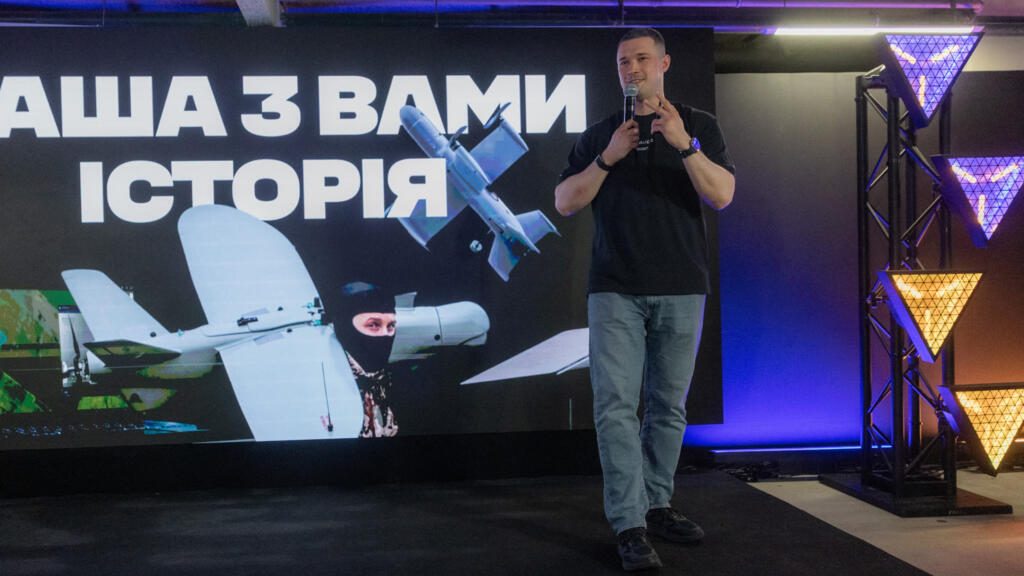
Mykhailo Fedorov’s abrupt removal as Ukraine’s defence minister exposes a deep strategic rift over drone-led modernisation versus traditional manpower needs, with direct implications for European defence support.
Ukraine’s 35-year-old defence minister Mykhailo Fedorov was forced to resign on Wednesday during a sweeping government reshuffle. His departure follows an irreconcilable power struggle with Oleksandr Syrsky, the commander-in-chief of Ukraine’s armed forces.
Fedorov held a press conference on Thursday to publicly blame Syrsky for thwarting his reform efforts. He stated that the general had focused on splitting the country rather than defeating Russia asymmetrically, adding that he did not know how to win the war under the current leadership configuration.
The former minister admitted he had urged President Volodymyr Zelensky to replace both Syrsky and Chief of the General Staff Andrii Hnatov. When it became clear the president would retain them, Fedorov accused Syrsky of issuing an ultimatum that forced his own exit after just six months in the role.
Zelensky acknowledged the severe dysfunction, noting the two men could barely share a room. He defended his decision by stating that a wartime president should not have to make such choices, though he insisted Fedorov would remain part of his team despite rejecting an advisory position.
Competing visions for the war effort
Analysts view the split as a fundamental disagreement on managing a prolonged conflict. Lesia Bidochko of the Kyiv-Mohyla Academy noted that Syrsky prioritises immediate battlefield realities and force generation, whereas Fedorov approached military challenges as managerial problems solvable through digitalisation and procurement reform.
Fedorov, a former digital transformation minister with close ties to US tech leaders like Elon Musk and Palantir’s Alex Karp, heavily championed drone warfare. However, Maria Engqvist of the Swedish Defence Research Agency warned that code and drones cannot secure physical territory without the manpower and munitions that Ukraine currently lacks.
This strategic friction underscores Ukraine’s acute demographic and recruitment crisis, which Fedorov himself highlighted by revealing over 200,000 absent without leave and two million men evading the draft. The unpopularity of conscription has sparked violent public clashes with draft officers, complicating Kyiv’s ability to sustain its defence lines.
Before his exit, Fedorov proposed recruitment reforms in June, including pay rises, fixed-term contracts, and the discharge of long-serving soldiers. Yet, ruling party lawmakers dismissed these efforts as an "imitation of reforms, just slides," arguing they lacked substance.
For European policymakers and defence investors, this leadership turmoil signals persistent vulnerabilities in Ukraine’s military structure. The unresolved tension between high-tech innovation and basic manpower requirements will continue to shape the continent’s defence supply strategies and the long-term viability of support for Kyiv.