UK markets rally as Shabana Mahmood emerges as chancellor frontrunner
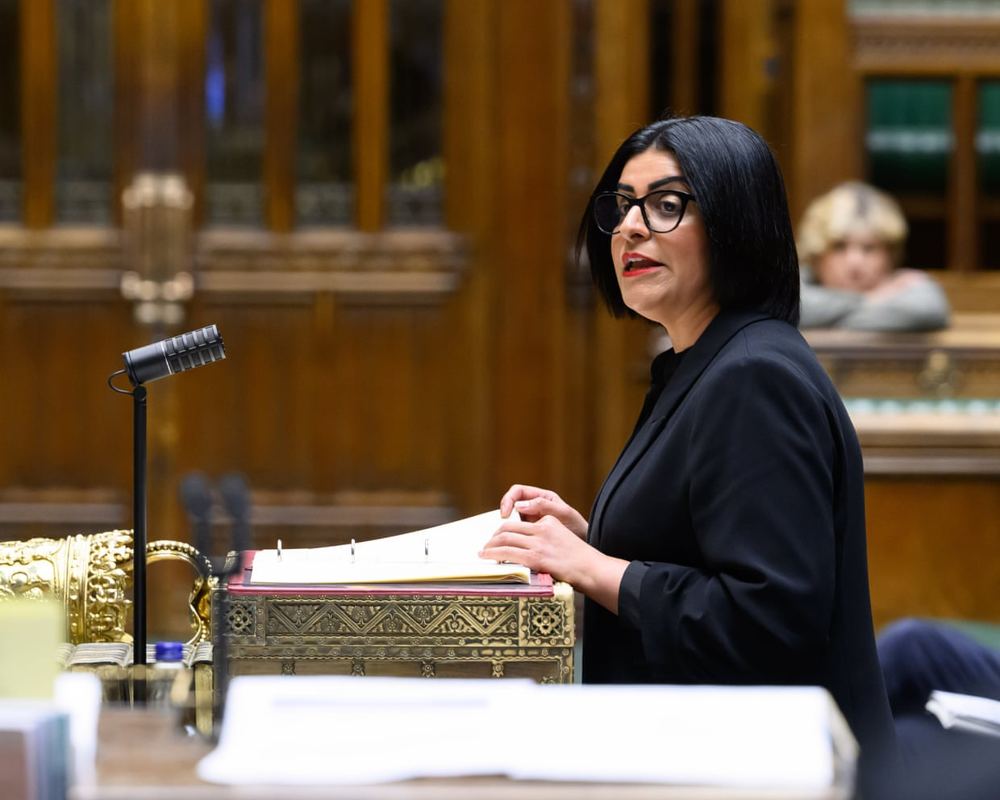
As Andy Burnham prepares to become prime minister, the likely appointment of Shabana Mahmood as chancellor has triggered market relief but left business leaders wary of her lack of economic experience.
Shabana Mahmood has emerged as the frontrunner to succeed Rachel Reeves as UK chancellor ahead of Andy Burnham’s installation as prime minister. The shift away from energy secretary Ed Miliband has caught industry leaders off guard as they scramble to assess her economic approach.
Financial markets reacted positively to the development. The pound rallied on reports of Mahmood’s ascendancy, while government borrowing costs dipped as investors assumed a move away from radical policies or high borrowing levels.
Despite this market optimism, corporate Britain views Mahmood as an unknown quantity. She lacks experience in economic or business-facing departments, and the Home Office has reported no meetings between her and individual businesses during her tenure.
Her emergence has nevertheless brought relief to some executives who opposed Miliband. A public affairs boss at a large British manufacturer cited concerns over Miliband’s "personal ambitions in terms of net zero", fearing his strong backing for decarbonisation targets would hinder job creation.
However, corporate lobbyists remain unconvinced. One senior lobbyist noted that while Mahmood "probably wouldn’t be the worst", the chancellor role requires someone "more dynamic and more into business" to set the right conditions for UK firms.
The potential appointment has also ignited fierce resistance within the Labour Party. Figures close to Miliband warned that elevating Mahmood would be a "disaster" for Burnham, citing her lack of a serious economic policy background and misalignment with his political vision.
One senior Labour figure pushing for Miliband stated that Mahmood would be a "disastrous choice" with "no economic background or clear ideas on how we turn the economy around". Others have urged Burnham to consider foreign secretary Yvette Cooper as a compromise.
Another critic described the potential move as a "bizarre choice". They warned that Mahmood is a "natural centraliser" with "no economic credentials or vision", which risks "Treasury capture and market credibility".
Advisers close to Burnham suggest the selection is a strategic signal to centrist Labour MPs and the "Blue Labour" grouping. This faction advocates for a hardline stance on immigration paired with leftwing industrial policy to appeal to traditional working-class voters.
Internal speculation also points to political management rather than pure economic strategy. A disappointed Burnham ally suggested the decision was driven by a fear of allowing Miliband to establish an alternative power base in the Treasury, noting "he’s not going to be a supplicant next door".
This chancellor selection occurs as Burnham’s backroom team narrows ahead of his arrival at Downing Street. Former Labour cabinet minister James Purnell has been appointed chief of staff, while figures like Richard Hughes, Jim O’Neill and Andy Haldane are unlikely to take formal roles.
Businesses are now keen to avoid a repeat of the friction seen under Reeves, who raised employers’ national insurance contributions by £25bn. With Mahmood’s economic philosophy largely untested, UK firms face a period of heightened uncertainty as they attempt to engage a chancellor with no prior corporate footprint.