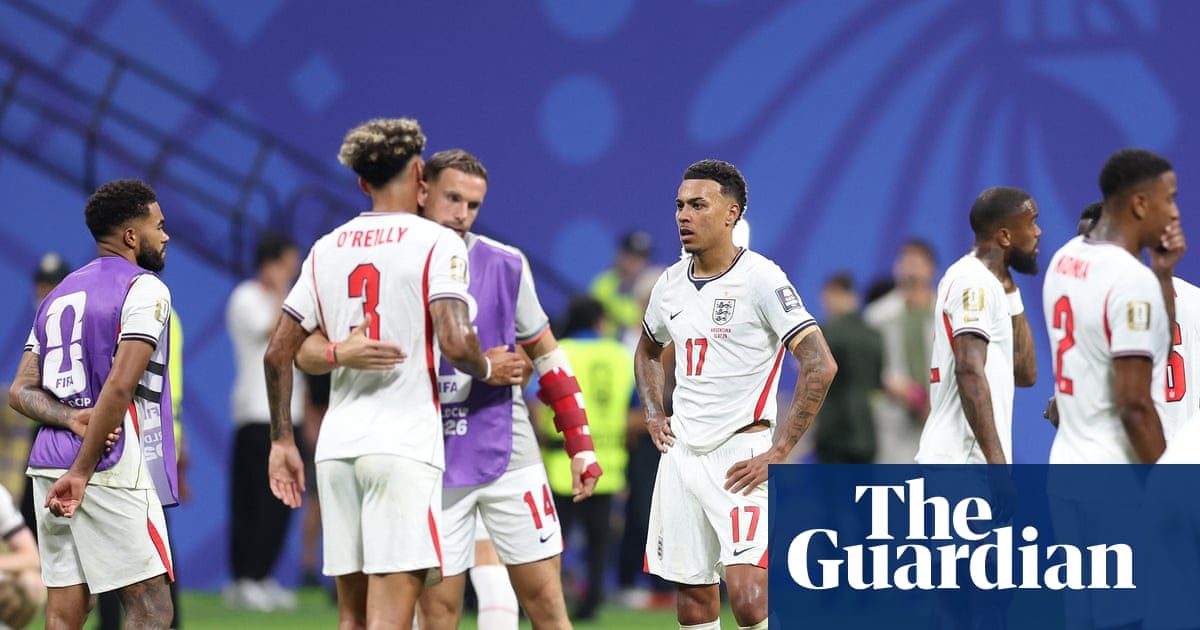
Tuchel questions English football's DNA after World Cup exit
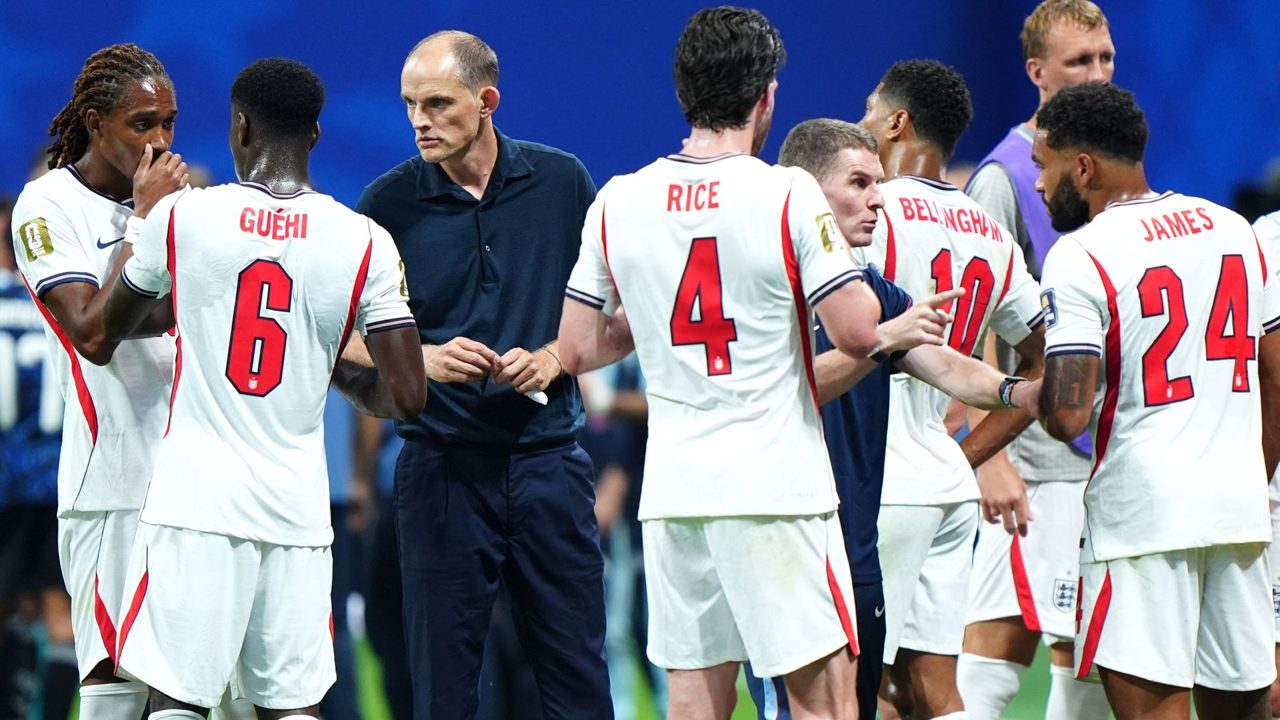
Thomas Tuchel has blamed a lack of possession-based "DNA" for England's World Cup semi-final defeat, effectively questioning the success of the FA's 12-year structural overhaul of player development.
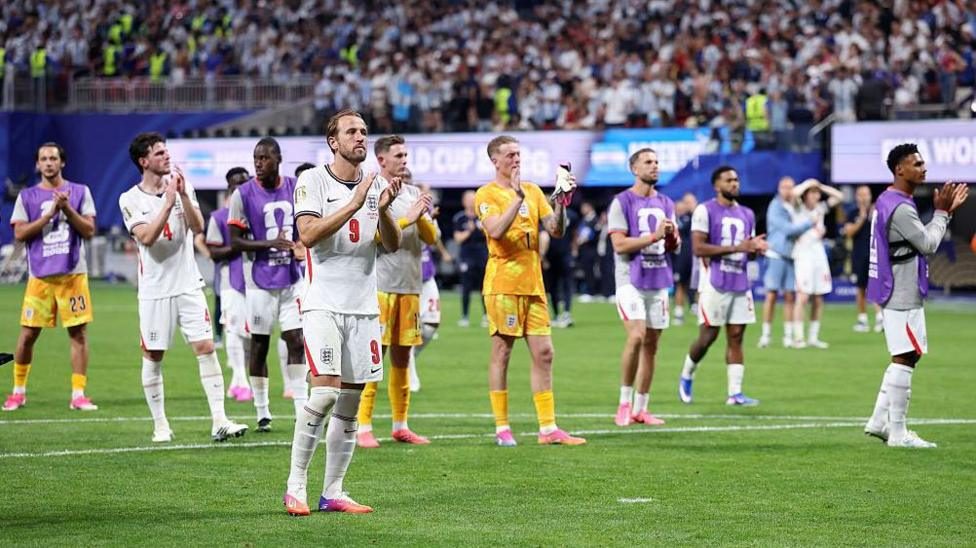
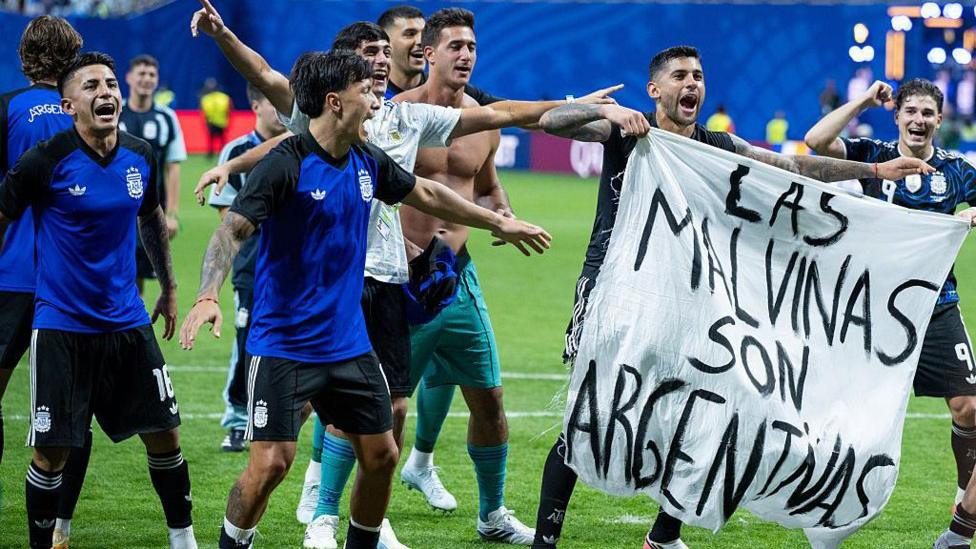
England lost 2-1 to Argentina in Wednesday's World Cup semi-finals in Atlanta, a defeat that has sparked intense scrutiny of head coach Thomas Tuchel's decision to switch to a back five while leading 1-0. Tuchel, however, has deflected the blame away from his substitutions and onto English football's underlying structure.
"I think it's maybe not in our DNA like it is in our Spanish DNA or in our Argentinian-Brazilian DNA, to take the ball and control the game with the ball," Tuchel said. He argued that no tactical formation could have rescued a squad that became passive and failed to stop runners entering the box.
These remarks carry notable implications for the English football establishment. In 2014, the FA introduced a formal DNA blueprint intended to structurally overhaul the national game from the youth ranks upward.
The framework represented a major institutional investment, built on five pillars covering playing style, player development, and multidisciplinary support. By claiming his players lack the technical foundation to keep possession under pressure, Tuchel has effectively questioned the efficacy of a 12-year developmental strategy.
The irony is not lost on domestic analysts. Tuchel used the exact same terminology as Dan Ashworth, the FA's Chief Football Officer who originally authored the 2014 strategy. "Either the DNA programme has completely failed, I'm not convinced that it has, or Thomas Tuchel is wrong; they can't both be true," said Rob Dorsett of Sky Sports News.
Tactical choices complicate the coach's narrative. Tuchel omitted Phil Foden, arguably England's most technically gifted player, from the squad entirely. He also left Kobbie Mainoo on the bench for the entire tournament, despite the 21-year-old boasting passing accuracy in the opposition half bettered only by Rodri among midfield regulars last season.
England also faced unique logistical burdens, travelling 14,365 miles over five weeks—more than any other team. Tuchel cited this travel, alongside heat and altitude, as physical factors that cost his squad. Despite the structural criticism, Tuchel confirmed he remains "100 per cent" committed to his role heading into the 2028 Euros.