AI drones cut Russian survival to 30 mins as EU signs $6bn deal
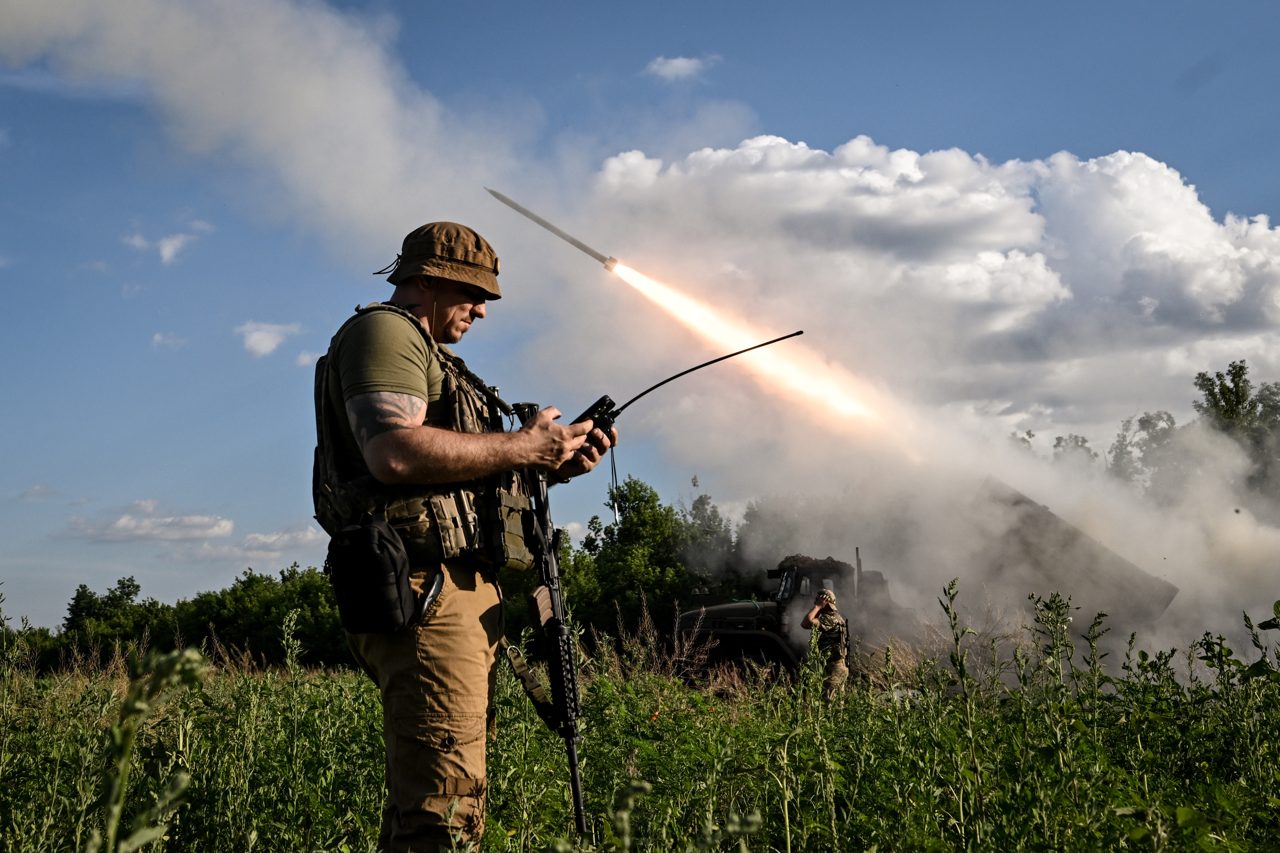
The CIA director confirmed that AI-powered drones are killing Russian recruits within half an hour, a lethal efficiency that has prompted the EU to invest over $6 billion in Ukraine's drone industry.
The European Union has signed a drone-production deal with Ukraine worth more than $6 billion, a massive industrial investment driven by the devastating battlefield effectiveness of artificial intelligence.
The agreement, signed in Kyiv, follows a stark assessment from CIA Director John Ratcliffe. “The average life expectancy of a Russian recruit right now, arriving on the battlefield in Ukraine, is estimated to be between 20 and 30 minutes,” he said.
“That’s because AI-powered drones have gotten to be such specialized, low-cost killing machines,” Ratcliffe added at a defense summit in Pennsylvania. His remarks marked the first time a senior American intelligence official has confirmed the extreme lethality of the war for Moscow.
For European defense contractors and governments, the casualty figures serve as hard proof of concept for a new generation of weaponry. The technology has drawn foreign partners ready to spend billions on Ukraine’s defense industry. “The pace of their advance has stopped as Ukraine’s mastery of emerging technologies and, in this case, drone warfare, asymmetric warfare, is such a great equalizer, and shows why we have to be leading on this in all respects for us to maintain our place in the global marketplace,” Ratcliffe said.
The scale of the bloodshed underscores the industrial shift. According to the Center for Strategic and International Studies, the Russia-to-Ukraine casualty ratio reached nearly 8-to-1 in the first half of 2026, a sharp increase from earlier in the war. Russia has suffered 1.4 million of the more than 2 million total casualties since the 2022 invasion.
With as many as 450,000 Russian soldiers dead, it represents the highest battlefield death toll for any major power since World War II. Ukraine’s top general had previously told NATO allies in May that Russia loses at least 1,000 soldiers a day.
Ratcliffe framed the technological gap as a broader security imperative. “The takeaway is that the mastery of these emerging technologies is every bit as important as military strength,” he said. “That’s why an inferior force, four and a half years later, has held off the superior force of Russia.”
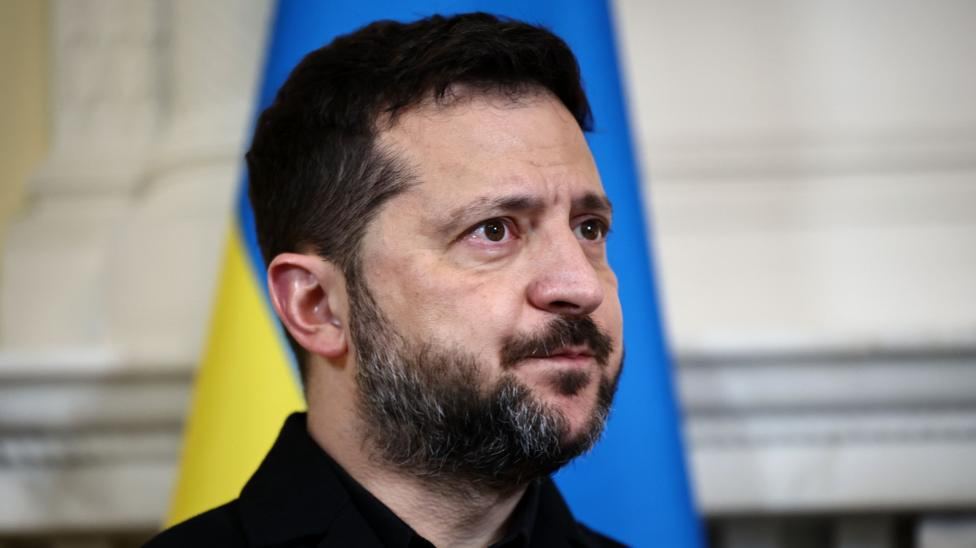
Washington is also racing to secure access to these systems. Ukrainian President Volodymyr Zelenskyy reported progress last week on a separate multibillion-dollar drone package with the US, signaling a sustained transatlantic pivot toward autonomous warfare manufacturing.