Olive oil prices stabilize as Deoleo says worst of supply crisis is over
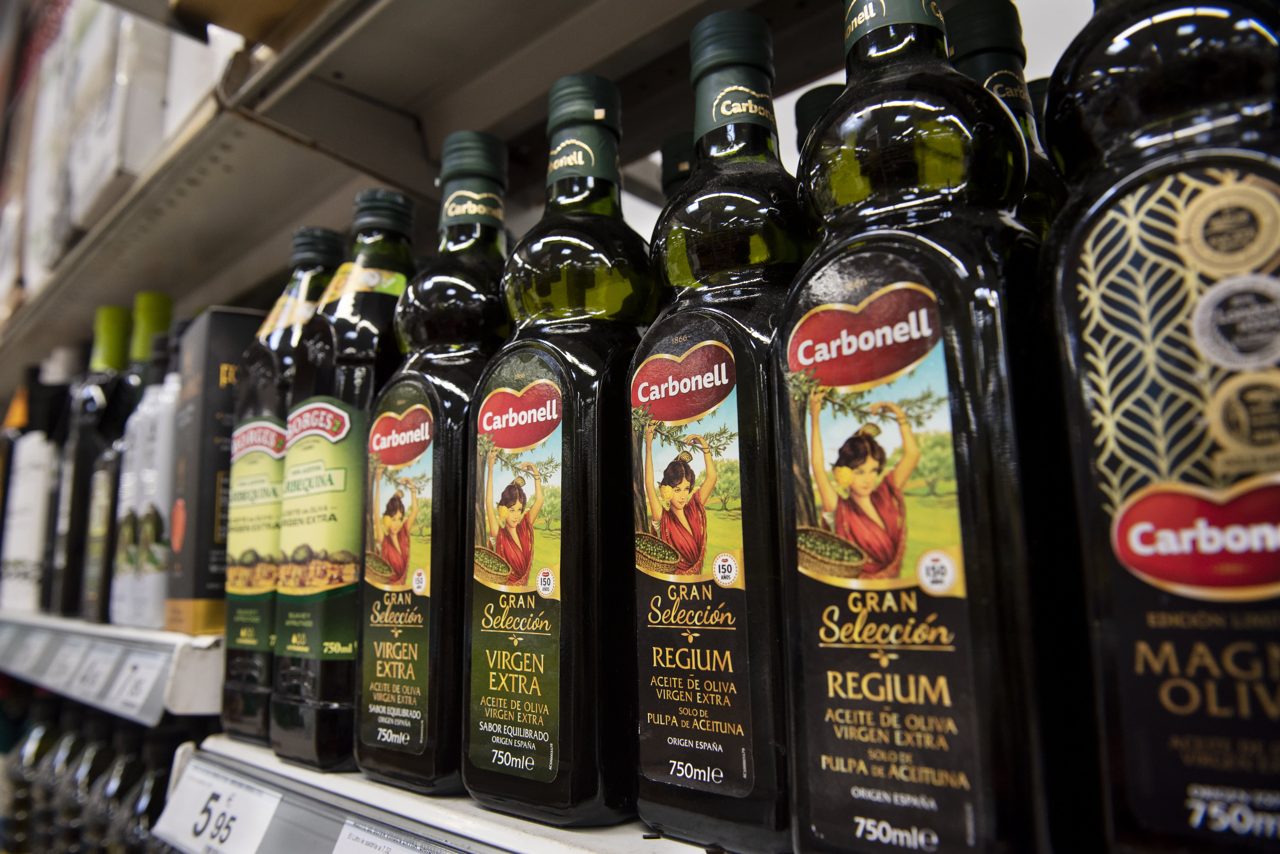
Spain's Deoleo says a two-year supply crisis has ended following a strong harvest, signaling price relief for European consumers despite lingering climate risks.
Deoleo, the world's largest olive oil producer, has declared an end to the severe market volatility that plagued the industry over the past three years.
Extra virgin olive oil prices in Spain, the global benchmark, have fallen to roughly €3.90 per kilogram, according to the European Commission. This represents a sharp decline from the record high of €9.30 per kilogram reached in January, offering significant relief to European households and food manufacturers after years of inflation.
The turnaround follows favorable rainfall across major producing nations, including Spain. Severe droughts and extreme heat between 2022 and 2024 had devastated harvests across southern Europe, triggering a price shock that tested the sector.
"The highly complex market cycle experienced between 2022 and 2024, which had a severe yet temporary impact on the industry, is now definitively behind us," CEO Cristóbal Valdés said.
This price normalization is already reshaping consumer behavior. Lower costs are bringing shoppers back to the aisle, reversing a recent trend where soaring prices forced many households to abandon the staple.
"This supply stabilization provides greater predictability across the entire value chain and allows us to anticipate a more stable pricing environment. This, in turn, is driving a recovery in global household demand," Valdés added.
Alongside Italy and Greece, Spain anchors global olive oil supply. A solid upcoming harvest across these nations is expected to keep the market balanced in the near term.
Deoleo is using the calmer environment to push growth in the United States. The company reported rising sales volumes across key markets, noting that U.S. purchasing households are growing across all income brackets. Valdés credited product innovation for much of this American momentum.
"A clear reflection of this is the rise of functional, value-added packaging; in fact, squeeze formats are already driving 40% of the entire category's growth in the country," he noted, referring to the Bertolli "Dress and Drizz" bottle.
Despite the current optimism, analysts warn the industry remains vulnerable. Climate change, water scarcity, and persistent disease pressures continue to threaten the long-term stability of European harvests, leaving the door open to future supply shocks.