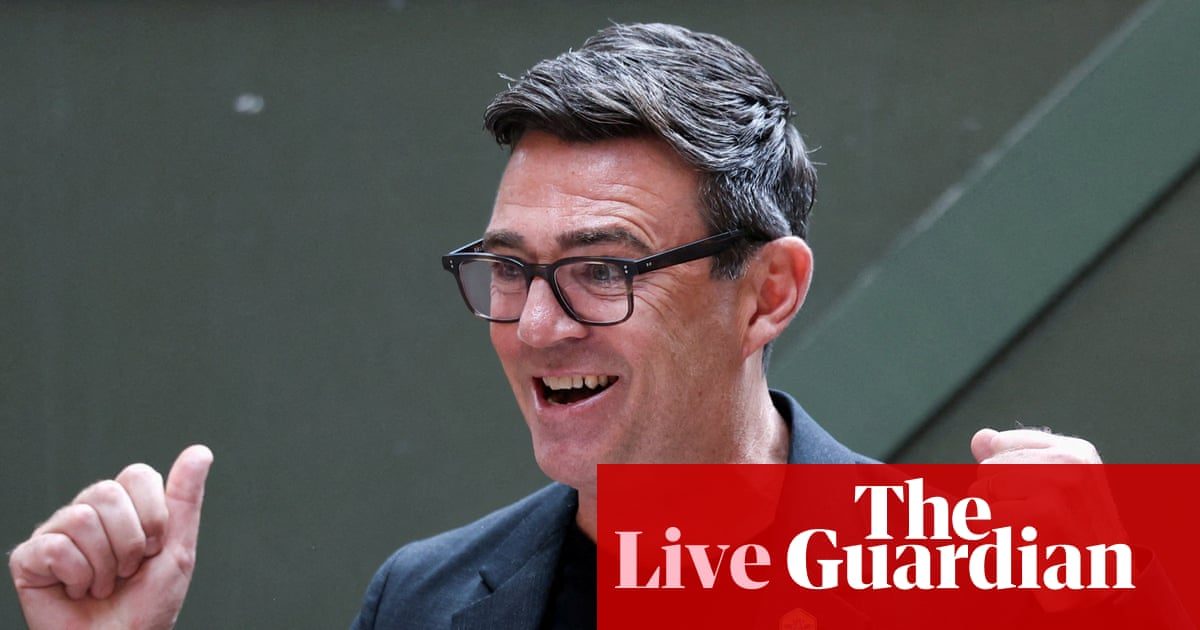
Burnham named UK prime minister, the seventh in ten years
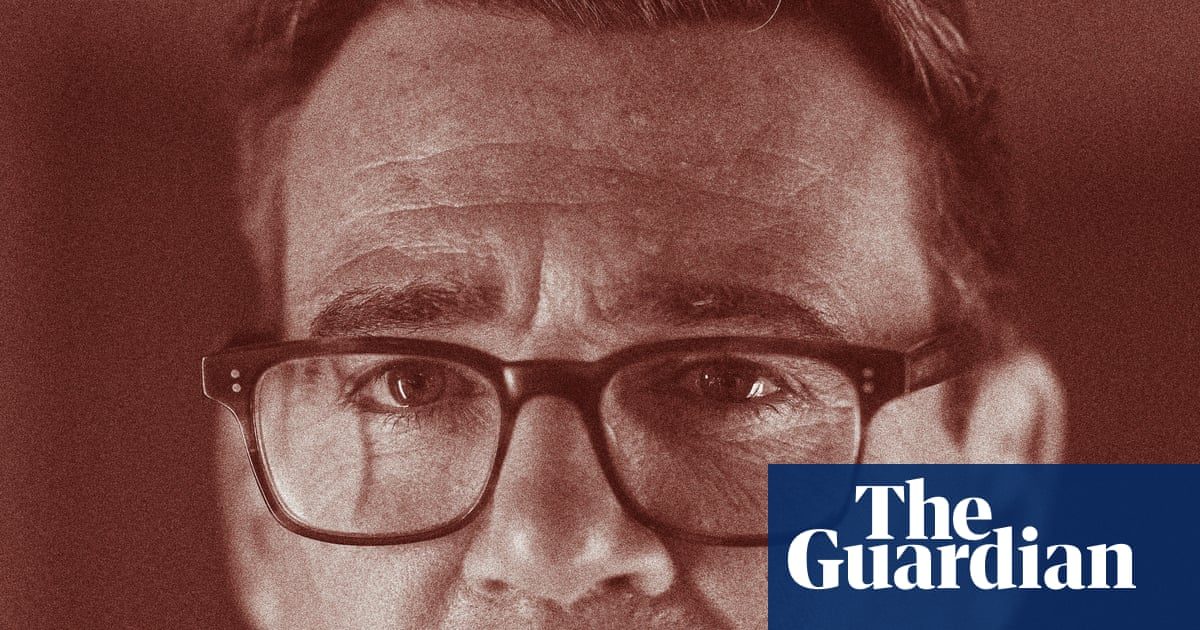
Andy Burnham will take office on Monday, presenting European partners with another new leader in a country still defined by chronic political instability.
Andy Burnham will become Britain’s seventh prime minister in ten years on Monday, the day after the World Cup final. The former Greater Manchester mayor and veteran of the Blair and Brown governments has reached Downing Street a decade after leaving Westminster in frustration. For European capitals and markets, his arrival marks yet another leadership transition in a period of intense UK political volatility.
Burnham’s path to the premiership effectively began in a London pub in March 2016. He had just lost his second Labour leadership bid and was exhausted by the internal party warfare tearing through the opposition. “He was pissed off,” said Steve Rotheram, his close friend and the current mayor of Liverpool.
Rather than join the mass resignations from Jeremy Corbyn’s shadow cabinet, Burnham carefully cast himself as a mediator between warring factions. “He is a party loyalist but he never agreed with Jeremy’s politics,” said Gloria De Piero, a fellow former shadow minister. Documents show he simultaneously helped draft a plan for Corbyn to step aside, a calculated maneuver that kept him acceptable to the party’s left while protecting his own career.
Power beyond London
He traded Westminster for the newly created role of Greater Manchester mayor in May 2017, declaring that politics had been “too London-centric for too long”. He initially faced deep scepticism from local council leaders, who viewed him as a Westminster politician needing a fallback plan after failing to win the national leadership. He quickly neutralised this threat by appointing his main local rival, Manchester city council leader Richard Leese, as his deputy mayor.
His standing as a national figure was cemented just weeks into his new role during the Manchester Arena bombing, which killed 22 people, mainly children. He was at home in his football kit when he received the panicked call from Rotheram about the attack. His response to the tragedy helped establish the image of a grounded operator, distinct from the traditional Westminster elite.
European diplomats will now engage with a leader who built his definitive power base outside the capital and survived the deepest fractures of the Labour party. “I thought when we left [Westminster] it was done,” Rotheram said of his friend’s leadership ambitions. Yet Burnham’s strategic patience through successive party crises ultimately carried him to No 10.