Deadly heatwave drives European AC sales to Asian firms
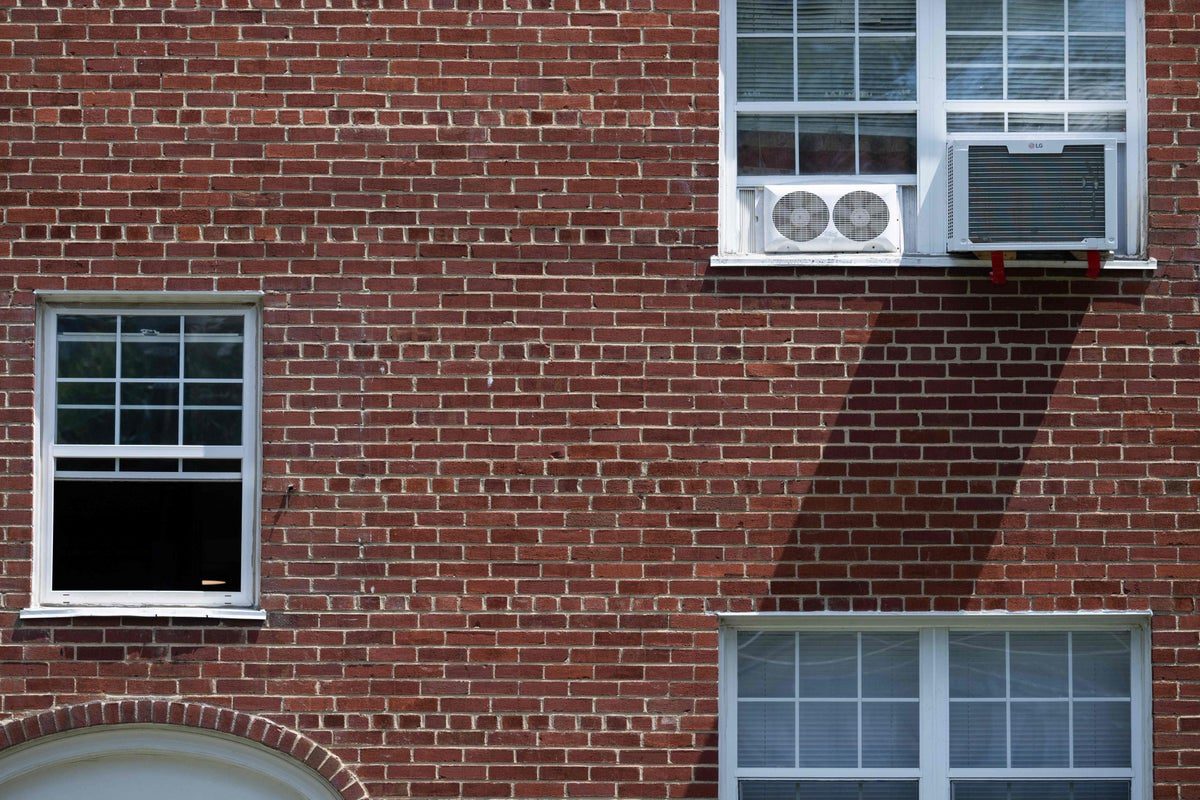
A severe heatwave is forcing Europeans to buy air conditioners in record numbers, handing a lucrative sales boom to Asian manufacturers while exposing the continent's aging building stock.
A deadly heatwave is triggering a surge in air conditioner purchases across Europe, driving double-digit sales growth for Asian manufacturers including Samsung Electronics, Midea, and Mitsubishi Electric.
Samsung reported significant growth in the first half of the year across key markets like Italy, Spain, and France. "With temperatures expected to rise further from June onward, we expect sustained demand through the peak cooling season," the company said.
Chinese manufacturer Midea experienced such intense demand for its PortaSplit unit that second-hand prices now exceed the cost of new ones. "A heatwave in the final two weeks of May significantly boosted sales, particularly for the PortaSplit air conditioner, which sold out in some channels," Midea reported. The company noted a 37% jump in German e-commerce sales and a 108% shipment increase in Spain and France.
To meet the sudden rush, LG Electronics has run its South Korean production lines at full capacity since April. Rival Mitsubishi Electric also confirmed a surge in demand from France, Spain, the UK, and Germany.
A structural market barrier
This sudden spending shift underscores a profound change in European consumer behaviour driven by climate change. However, the financial benefits are flowing almost exclusively abroad to countries with established air-con brands like China, Japan, and South Korea.
The boom is constrained by Europe's aging building stock. According to the International Energy Agency, total air conditioning ownership in Europe stands at just 20%. Older buildings make installing fixed units complicated, often requiring lengthy wait times, and prohibitively expensive. Midea estimates installation costs in Europe can exceed €1,000 ($1,137), putting fixed systems out of reach for many households.
This infrastructure bottleneck explains the frantic demand for portable units. It also highlights a structural vulnerability for the continent's economy. The World Meteorological Organization notes Europe is warming at more than twice the global average. As lethal heat continues to disrupt power supplies and force school closures, European consumer spending on climate adaptation will increasingly be captured by foreign manufacturers.
The economic toll of the heat extends beyond retail appliance sales. Businesses are incurring new operational costs to protect workers, such as equipping delivery staff with "cool boxes" containing reusable cooling towels, water-activated wrist coolers, and UV-protective neck guards.