Engine failure halts SpaceX Starship launch, tightens NASA timeline
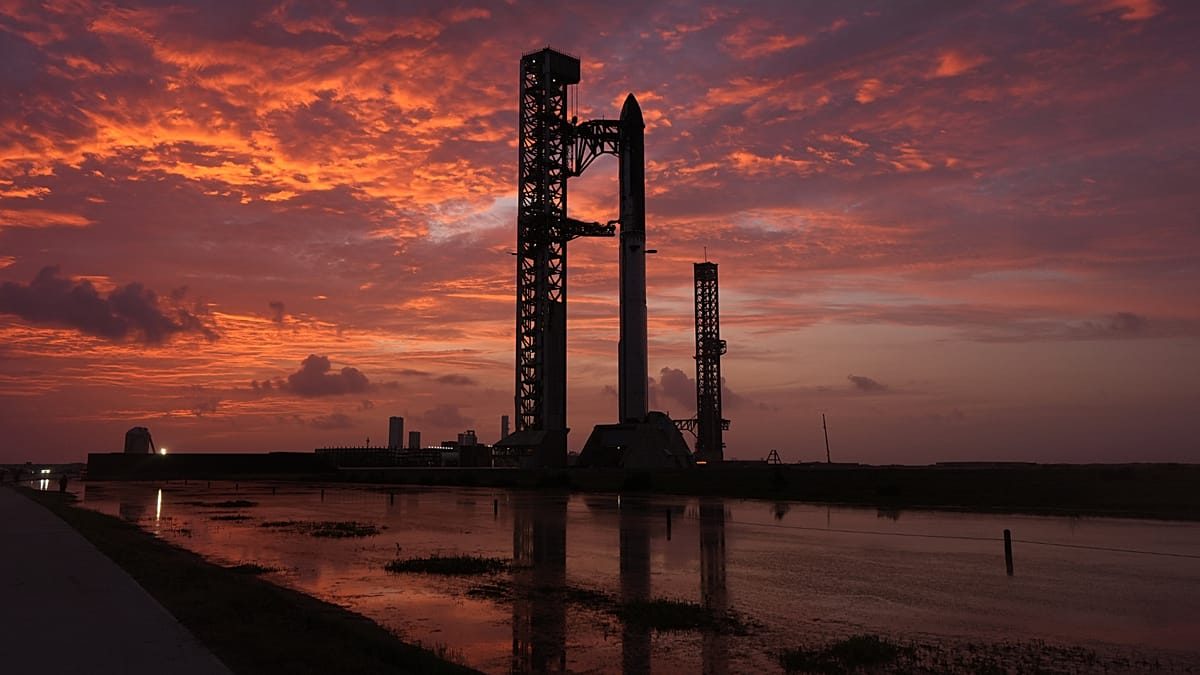
SpaceX aborted the 13th Starship test flight at the last second due to engine failures, putting fresh pressure on a tight NASA timeline that requires the rocket to be ready for lunar missions next year.
An automated safety system halted SpaceX’s 124-metre Starship rocket just a second before liftoff on Thursday after four of its 33 main engines failed to fire. The on-board computers immediately shut down the remaining 29 engines to keep the vehicle anchored to its Texas pad. It marked the first time a full-scale Starship experienced a last-second abort, avoiding the explosive fireballs that ended some earlier test flights.
Company founder Elon Musk stated that two engines will be replaced "to be confident of a good flight" before another attempt. "Most probable launch timing is early next week," Musk said via X. The aborted mission was carrying a payload of 20 of SpaceX’s newest Starlink satellites, designed to communicate with existing orbiting satellites and photograph the vehicle's heat shield during a planned hour-long flight.
Neither the booster nor the spacecraft was designed for recovery, with both destined to end up in the sea. For SpaceX's satellite internet division, which competes against European rivals like Eutelsat's OneWeb, reliable heavy-lift launches are essential to maintaining its network edge.
Lunar timeline at risk
The setback arrives at a critical juncture for NASA’s Artemis programme, which is relying on the rocket to return humans to the moon. The US space agency has contracted SpaceX and Jeff Bezos’ Blue Origin to build lunar landers that must be ready to fly by next year.
That deadline is driven by the needs of the newly named Artemis III crew, who must practise docking their capsule with the Starship and Blue Moon landers in Earth orbit. If the vehicles miss that window, the subsequent Artemis IV mission, planned for no earlier than 2028 to land astronauts at the moon's south pole, would face delays.
SpaceX’s ability to rapidly iterate is a core advantage that has reshaped the global launch market, pressuring legacy operators across Europe and beyond. While recurring hardware issues highlight the persistent engineering risks of scaling the world's largest rocket, Thursday's automated abort showed the system's safety mechanisms working as intended.