UK nationalises British Steel as Beijing warns on investment
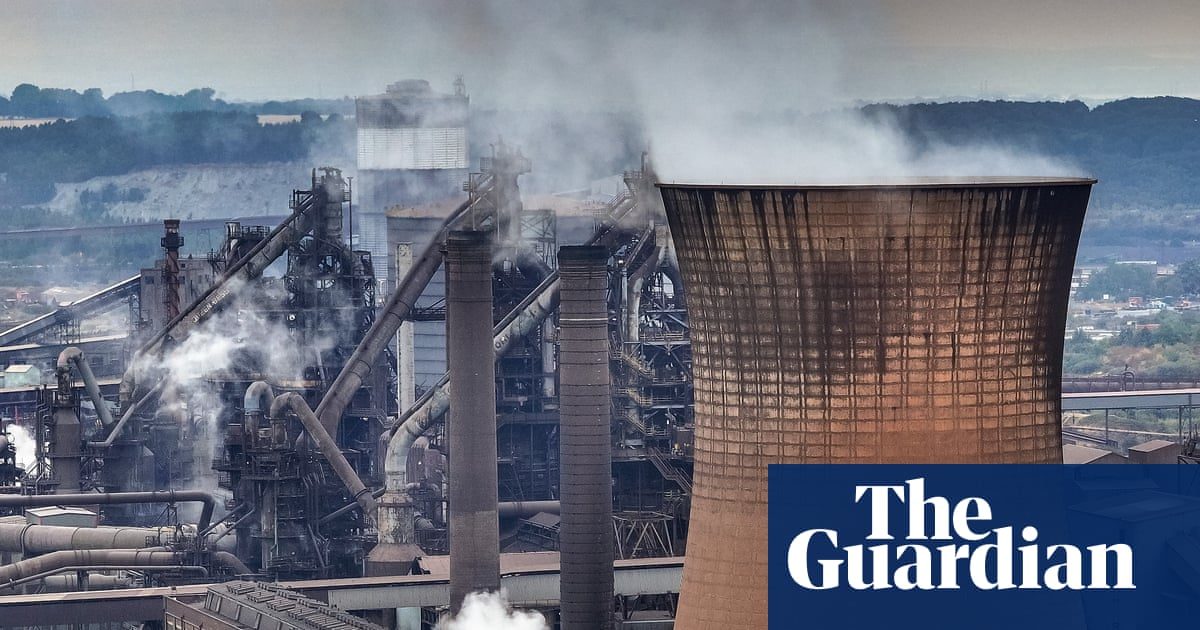
The UK has brought British Steel into public ownership to save thousands of jobs, drawing a sharp warning from Beijing that the move will deter Chinese investment in Europe.
The UK government has nationalised British Steel, seizing control of the Scunthorpe-based manufacturer from its Chinese owner, Jingye. The takeover followed the Steel Industry (Nationalisation) Act 2026 receiving royal assent on Thursday, granting ministers the power to transfer steel assets into public ownership.
Prime Minister Keir Starmer framed the intervention as a defence of critical infrastructure. “British Steel is part of the fabric of our nation and a cornerstone of Britain’s industrial strength,” he said. The state takeover is designed to secure roughly 4,000 jobs and maintain domestic supply chains.
Public ownership caps a turbulent 15 months for the business. The Labour government first intervened in April last year after Jingye threatened to abandon the site without preserving its blast furnaces. Despite having been prepared to let the operations fail, Jingye now maintains the company is a valuable asset deserving substantial compensation.
China’s Ministry of Commerce condemned the nationalisation in stark terms. A spokesperson told the Global Times the UK had used the “name of national security” to forcibly take the business, disregarding Jingye’s economic contributions. Beijing said it is “strongly dissatisfied” and warned the decision deals “a severe blow to Chinese companies’ confidence in investing in the UK.”
For European markets, the standoff highlights a widening friction between the continent's industrial security agenda and Chinese foreign direct investment. Beijing’s explicit threat to support Jingye through “legal means” and take “strong measures” signals that similar state interventions to protect heavy industry could carry diplomatic and financial retaliation risks.
A new leadership team has been installed to stabilise the business. The government’s stated goal is to transition the Scunthorpe site into a “commercially sustainable, low-carbon enterprise.” The outcome will be closely watched across Europe, where policymakers and investors are grappling with how to fund the green transition of heavy industry without offloading the costs onto the state.
China’s commerce ministry urged the UK to abide by international rules and the China-UK bilateral investment treaty. However, the new UK law explicitly provides the legal framework for the exact type of takeover Beijing opposes, suggesting the gap between European industrial policy and Chinese investment expectations will be difficult to close.