Regulator clears Spain's Almaraz nuclear plant for extension
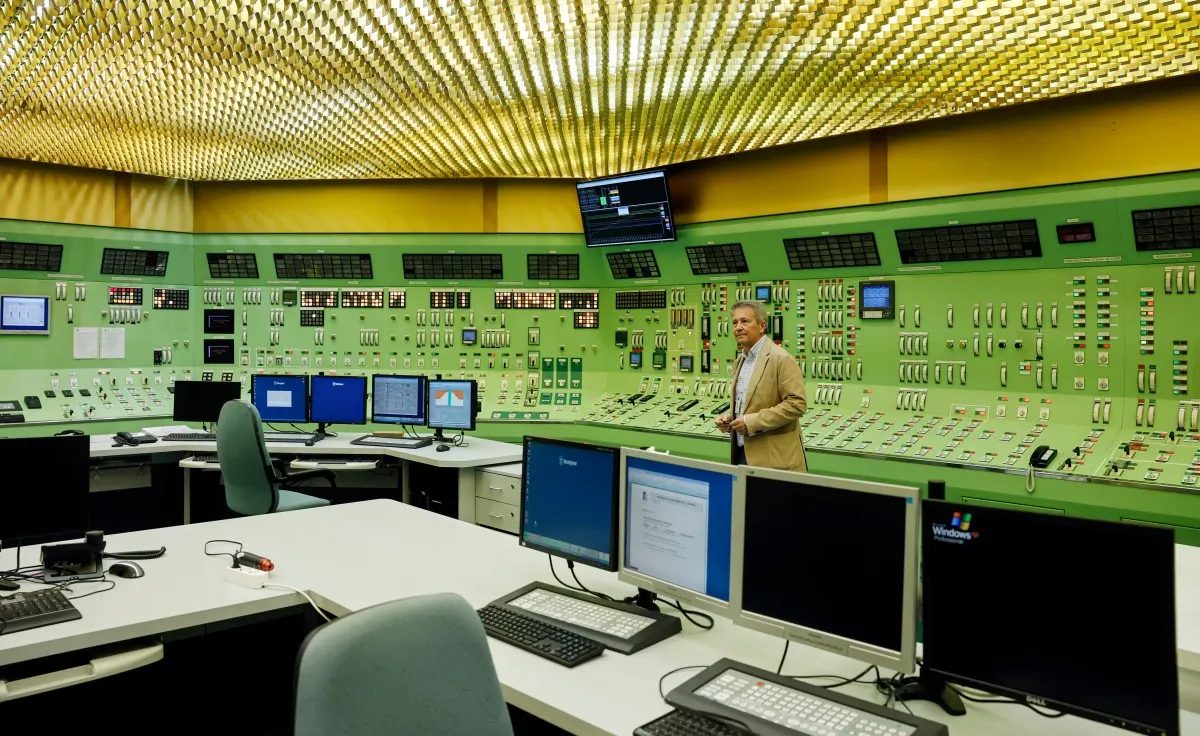
Spain's nuclear safety regulator has backed keeping the Almaraz plant open, creating a political dilemma for a government balancing its green agenda against rising energy security concerns.
Spain's Nuclear Safety Council has determined that the Almaraz power plant is operating safely and can continue to run beyond its scheduled closure date. The regulator's report, sent to the environment ministry, supports a request by the facility's owners to extend its lifespan by two years. A final decision from the government is expected before the end of October.
Almaraz generates roughly seven percent of Spain's electricity, making it the country's largest nuclear facility. The extension request was filed last year by its three owners: Iberdrola, Endesa and Naturgy. For these major utilities, keeping the plant online avoids the immediate financial strain of replacing a massive baseload asset before new renewable capacity is fully operational.
The recommendation creates a political dilemma for Prime Minister Pedro Sanchez's leftist administration. The government's current energy strategy mandates shutting down all Spanish nuclear reactors by 2035 to clear the way for wind and solar power. Despite the safety council's backing, the environment ministry is not legally bound to follow the regulator's advice.
Sanchez has previously stated that any extension would only be permitted if the plant met all safety standards without imposing additional costs on taxpayers. The regulator's assessment explicitly addresses the first condition. The outstanding question for investors and the market is whether the economics of a short-term extension align with the government's fiscal requirements.
The timing of this debate is driven by real-world energy constraints. A nationwide blackout last year and recent fuel supply disruptions linked to the war in the Middle East have exposed the vulnerabilities of the power grid. These events have reignited the debate over the phase-out, mirroring a wider reassessment of nuclear power taking place across Europe.
Nuclear energy's role in Spain has already diminished considerably from its historical peak. The country went from operating eight plants that supplied 38 percent of its electricity in the 1980s to relying on five plants with seven reactors for roughly 19 percent today. As Madrid attempts to scale up its renewable infrastructure, the Almaraz decision will test the balance between green ideology and grid reliability.