Xi unveils China-led AI body to set global tech standards
China has launched a new international AI organisation in Shanghai, challenging Western tech governance frameworks as Beijing leverages its narrowing gap with the US to court the developing world.
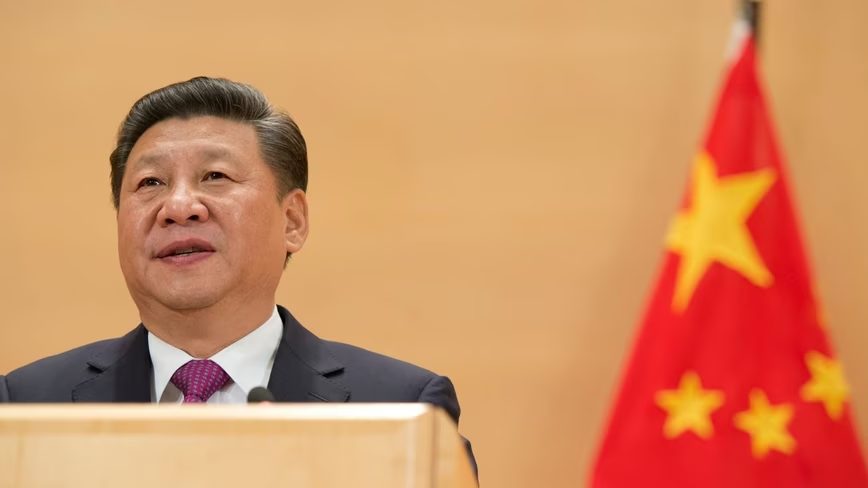
Xi Jinping became the first Chinese president to address the World AI Conference in person on Friday, using the Shanghai summit to launch a direct critique of American technology policy and debut a new Beijing-led global AI body.
The day prior, 29 governments signed the World AI Cooperation Organization into existence. Headquartered in Shanghai and backed by founding members including Russia, Kazakhstan, Pakistan, Indonesia and Laos, the body is designed to provide infrastructure, training and shared models to nations largely left out of the AI boom.
For European policymakers and tech executives, the move creates a parallel track for global technology standards. As the EU attempts to position its AI Act as the definitive global regulatory framework, Beijing is actively courting the developing world, BRICS nations, and countries across Africa and Latin America with a more permissive, state-backed alternative.
Xi framed this capacity-building as a moral imperative to prevent the technology gap from hardening into “new historical injustices.” He argued that artificial intelligence “should not be a solo performance by a single country, but a symphony of international cooperation.”
The diplomatic overture doubled as a pointed swipe at Washington. “We should jointly oppose overstretching the national security concept in the field of AI or placing one country’s security over that of others,” Xi said, targeting two years of US export controls that have restricted Chinese access to advanced chips.
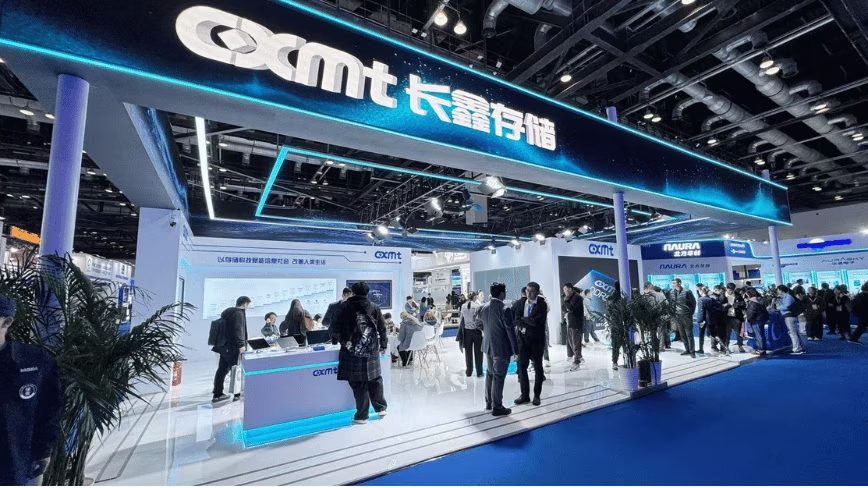
Beijing’s assertive posture is supported by a narrowing technological gap. China has caught up with American AI labs faster than many in Washington anticipated, allowing Xi to negotiate from a position closer to parity. The commercial realities of this race were visible on the conference floor: major US tech firms were largely absent, while Huawei used the event to unveil its Atlas 950 SuperPoD, a computing cluster built to run without Nvidia’s most advanced chips.
On governance, Xi called for “laws and regulations, technological monitoring, early warning, and emergency response systems” to keep AI “always under human control.” While the rhetoric mirrors Western safety summits, the strategic goal is divergent. With Secretary-General António Guterres attending the new organisation's launch to provide UN cover, Beijing has established a venue to ensure it holds the conductor's baton as the global south decides whose rules to follow.