Portugal fuel prices surge on Middle East war, retailers face probe
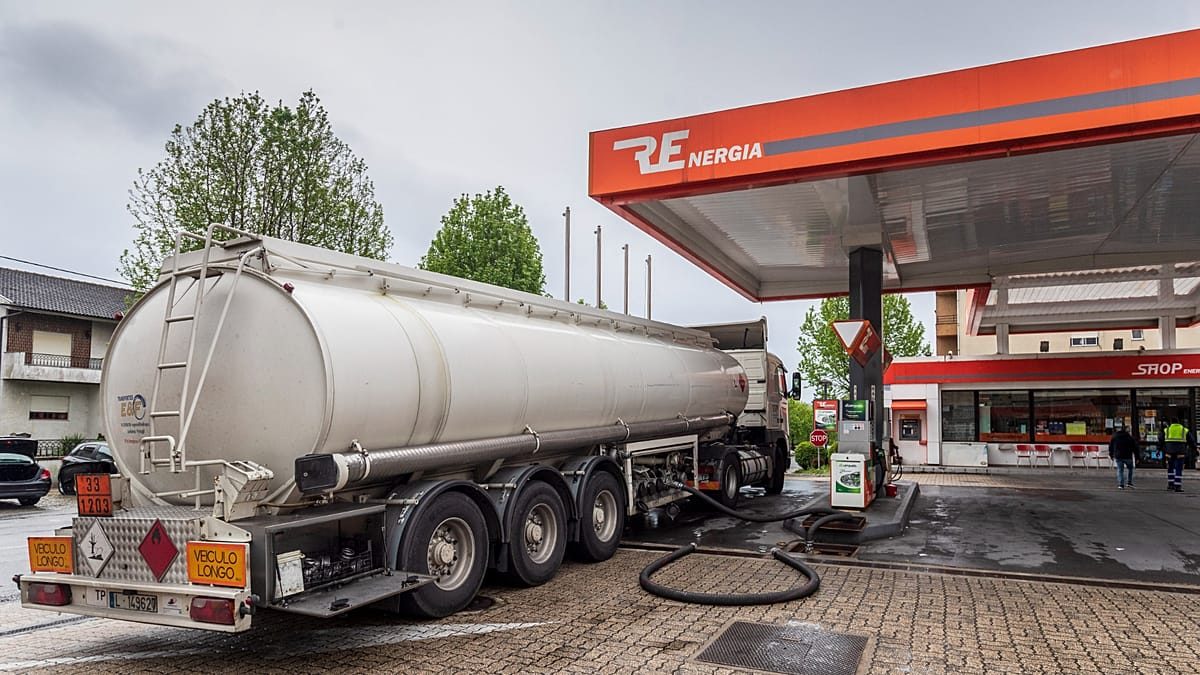
Portuguese diesel and petrol prices are set to jump next week after an escalation in the Middle East conflict ended a ceasefire, prompting Lisbon to trigger tax relief and investigate suspected price-gouging at the pump.
Portuguese drivers will face sharply higher fuel costs next week as the escalation of the Middle East conflict pushes global oil markets higher. According to the Automobile Club of Portugal and the Directorate-General for Energy and Geology, diesel will rise by 13.5 cents to €1.988 per litre, while petrol will increase by 6.5 cents to €1.980 per litre between 20 and 26 July. These figures reflect raw material prices at Thursday's market close, though final costs could still fluctuate.
The price shock stems directly from a breakdown in the conflict involving the United States, Israel, and Iran. Fighting escalated this week, effectively terminating a provisional agreement to halt hostilities. The disruption builds on earlier blockades, such as the initial closure of the Strait of Hormuz on 28 February. Because the strait handles 20% of global oil and natural gas trade, the conflict continues to inflate prices for crude, fertilisers, and other critical goods well beyond the region.
Lisbon is deploying a two-pronged response to shield consumers from the immediate impact. The government has pledged to apply a temporary reduction in the Tax on Petroleum and Energy Products whenever fuel prices jump by more than 10 cents, meaning the diesel increase will trigger this relief mechanism. However, Finance Minister Miranda Sarmento firmly rejected cutting VAT on fuel during a parliamentary debate on Wednesday, leaving the broader tax burden intact.
Simultaneously, authorities are scrutinising the fuel supply chain for potential profiteering. Environment and Energy Minister Maria Graça Carvalho has asked energy regulator ERSE to investigate the prices charged by retailers since 2024. In a letter sent on Thursday, Carvalho requested "a detailed study of the last two years - within 20 days - to explain why falls in oil prices on international markets take so long to be passed on to prices at the pump".
For the wider European economy, the situation in Portugal illustrates a persistent vulnerability. Geopolitical shocks in the Middle East continue to translate rapidly into domestic inflation, squeezing household budgets and complicating fiscal policy. As governments resist broad tax cuts to protect revenues, they are increasingly forced to rely on targeted interventions and regulatory pressure on retailers to manage the political fallout of volatile energy markets.