Nawrocki vetoes Poland's first same-sex partnership bill
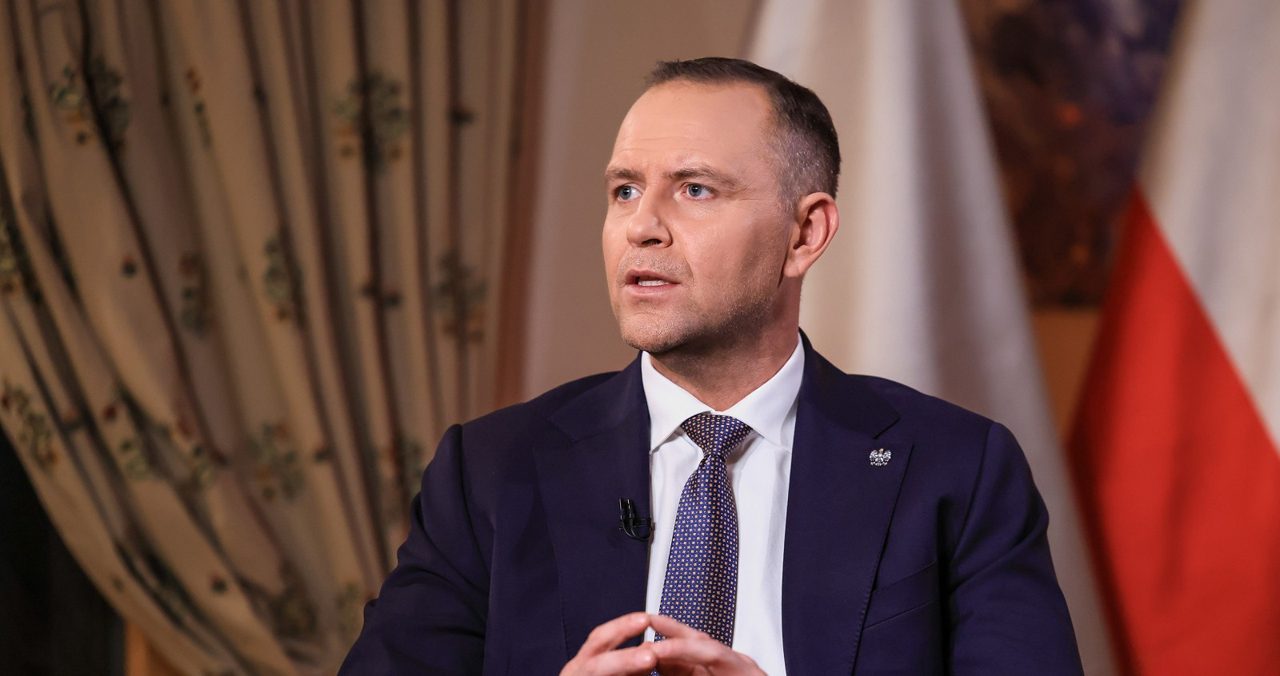
Polish President Karol Nawrocki has blocked legislation that would have granted legal rights to same-sex couples, deepening a clash between domestic politics, public opinion and EU judicial rulings.
President Karol Nawrocki vetoed a bill on Friday that would have allowed unmarried and same-sex couples to sign notarised agreements granting them limited spousal rights. The legislation, passed by parliament in May and June with the backing of Prime Minister Donald Tusk’s coalition, would have been the first recognition of same-sex relationships in Polish domestic law.
The proposed contracts would have granted couples joint property and tax settlements, medical information access, and burial decisions. Nawrocki, aligned with the right-wing opposition, argued the measures would effectively “introduce civil partnerships through the back door.” He declared that marriage “cannot become one of many equally valid options offered by the state administration.”
The veto leaves roughly two million Poles in informal relationships without domestic legal protections. Katarzyna Kotula, the government’s equality plenipotentiary, said the president had “turned his back on the two million people living today in informal relationships.” She pledged that if change “cannot go through the door, then [it will go] through the window.”
For European integration, that window is already partly open. Poland has begun recognising same-sex marriages conducted in other EU member states following an order from the European Court of Justice. Kotula noted that while “not all benefits are yet available” to such couples under Polish law, “this is something that I intend to deliver.”
Domestically, the vetoed bill represented a significant compromise within Tusk’s government. While The Left and the centrist Civic Coalition supported the measures, they faced internal resistance from the centre-right Polish People’s Party. Government spokesman Adam Szłapka criticised the president for blocking legislation that would have “simplified life, increased security and protected freedom.”
The political gridlock runs counter to shifting public attitudes. State research agency CBOS recorded its highest-ever level of support for civil partnerships last year at 62%, a sharp rise from 25% in 2011. Nawrocki stated he would accept targeted healthcare and administrative rights, provided they “do not create an alternative to marriage.”