HBO docuseries exposes governance rifts at $60m Burning Man
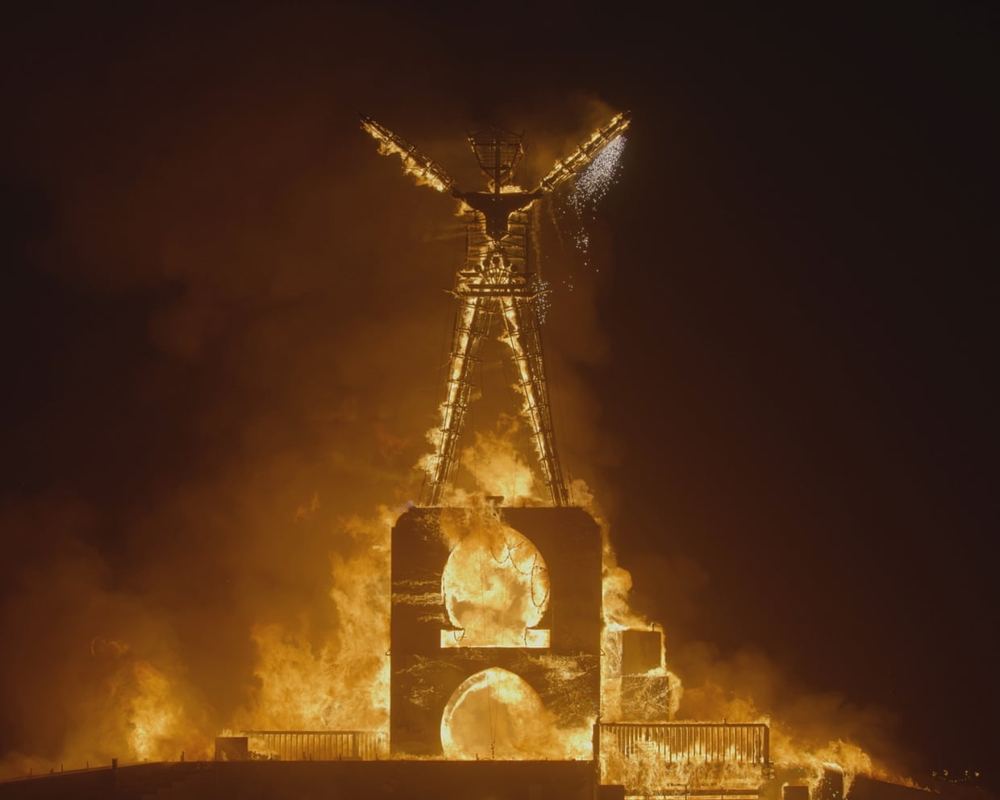
A new four-part documentary captures the boardroom power struggles and growing wealth stratification challenging the decommodified ideals of the Nevada festival.
A new HBO docuseries, The Man Will Burn, offers a rare look at the corporate governance and internal power struggles behind the Burning Man festival. Co-directed by Jehane Noujaim and Vikram Gandhi, the series captures a pivotal moment for the organization. Noujaim first encountered the festival’s rigid corporate structure while trying to clear footage for her Cambridge Analytica documentary, The Great Hack. “I didn’t know Burning Man had a CEO or a board,” she says.
What began in 1986 as a bonfire on a San Francisco beach for starving artists has matured into a $60m operation with a sprawling real estate portfolio. The documentary frames the festival through the partnership of co-founder Larry Harvey and current CEO Marian Goodell. However, it sharply highlights the growing friction between the event’s guiding principle of "decommodification" and its modern corporate reality.
This tension boiled over during the pandemic. The series details a board revolt led by Kimbal Musk, who viewed Goodell’s decision to cancel the festival for a second straight year as an opportunity for a leadership change. While organizers debated the event’s future, some attendees defied the cancellation to hold a renegade gathering in the desert.
The economic divide on the playa is a central focus. The festival draws an eclectic mix, from Google co-founder Sergey Brin to conservative strategist Grover Norquist. Yet the experience has become visibly stratified. Average attendees brave the elements in basic tents while affluent visitors spend tens of thousands on air-conditioned RVs with luxury spa amenities.
As ticket prices climb, the non-profit’s financial scale has sparked skepticism among attendees. While Gandhi notes that a ticket remains cheaper than the roughly $600 cost of Coachella, the documentary questions the sustainability of a temporary utopia built on a multi-million-dollar budget. “It’s almost like Burning Man has become expensive because the world is expensive,” Gandhi says.